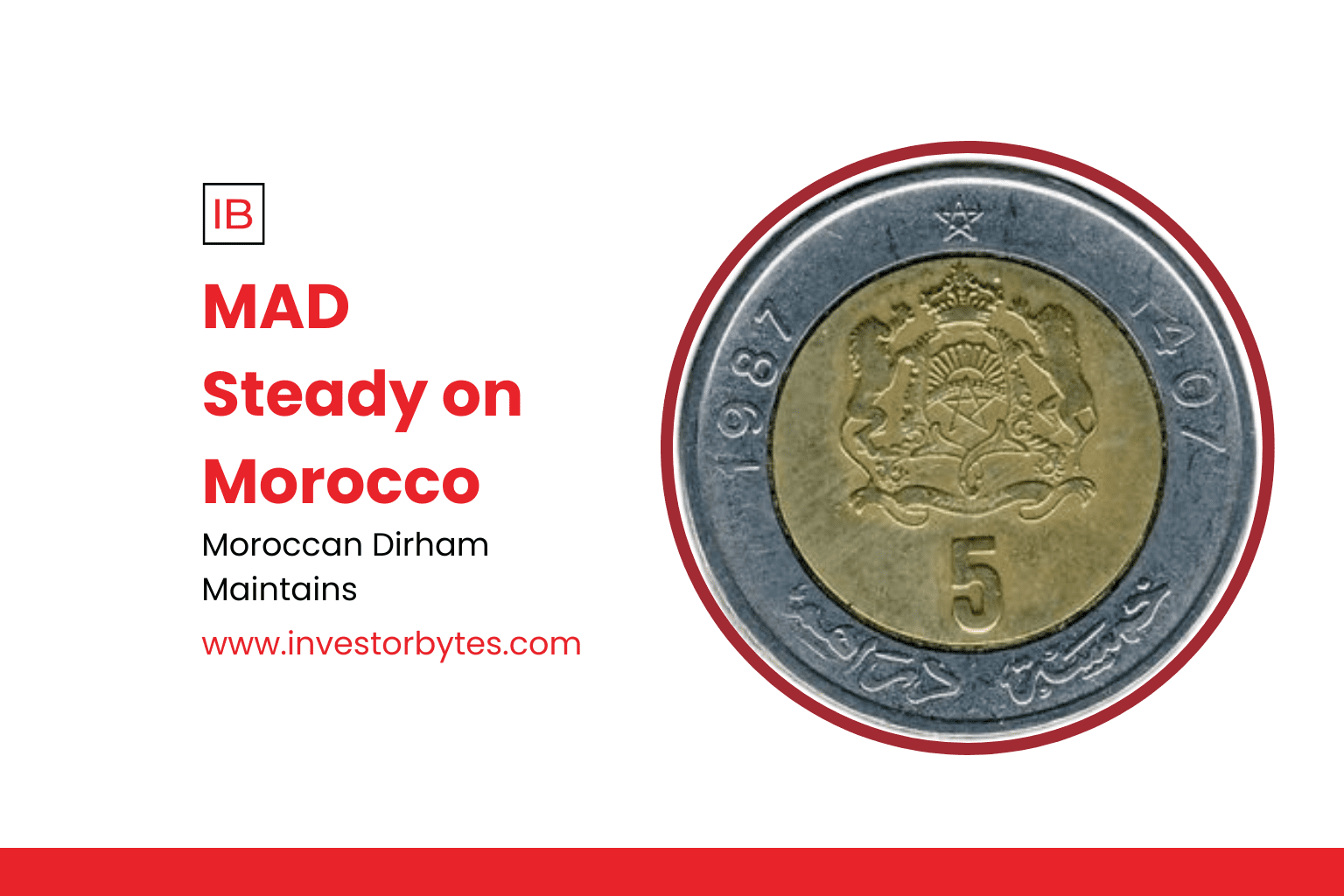
The Moroccan dirham has anchored resiliently, gaining 0.4% against the US dollar and 0.3% versus the euro in the past week to 9.2424 MAD per USD, extending a steady trend since autumn amid reserves climbing 19.3% to MAD 432.3 billion ($46.6 billion) without central bank interventions. This poise, within a ±5% basket band (60% euro, 40% dollar), reflects non-oil GDP at 4.2% and FDI at $10.7 billion, as MASI slips 2.5% on thinned volumes to MAD 680.9 million yet liquidity injections hit MAD 143.7 billion. Not fully convertible, the dirham’s stability—fluctuating <0.01%—counters tariff risks, drawing $106.7 billion in 2024 capital as Vision 2030 diversification tempers hydrocarbon reliance at 10% of GDP.
Casablanca’s financial citadels capitalize on the dirham’s durability. Attijariwafa Bank reported 12% treasury uplifts to MAD 45 billion in Q3, riding forwards amid 16% FX volumes on BAM cues. BMCE notched 10% derivatives gains to MAD 32 billion, exploiting 15% spikes in USD/MAD futures. These metrics spotlight Morocco’s ballast, where policy poise transmutes reserves into resilient revenues, sustaining 2.5% interbank rates.
Economic stewards navigate the steady slope with strategic savvy. OCP Group unveiled 8% phosphate expansions to MAD 120 billion, as pegged funding unlocks capex for infra—offsetting 2% tariff erosions—yielding MAD 6.1 billion efficiencies. Maroc Telecom echoed with 7% NOI to MAD 25 billion, hedging via BAM overlays for retail—25% overseas—projecting MAD 4.5 billion Q4 via 5G pacts. Dynamic swaps blend stability with floors, shielding against election wobbles.
Analysts foresee MAD’s mettle through mid-2026, with USD/MAD grinding 9.20-9.25 as reserves hit MAD 450 billion and GDP rebounds to 3.5%, EMA neutral eyeing 9.15 if 9.30 holds; sub-9.35 risks 9.40. Favor range irons on CPI prints, collars on tariff suits. Peg persistence could firm to 9.10, but divergences demand diligence.
Positive equilibrium defines dirham dominions, merging BAM benevolence with growth grace in a tariff-tossed tapestry. This steadiness not only anchors affordability but empowers enterprises, fortifying flows in fiscal fortitude.