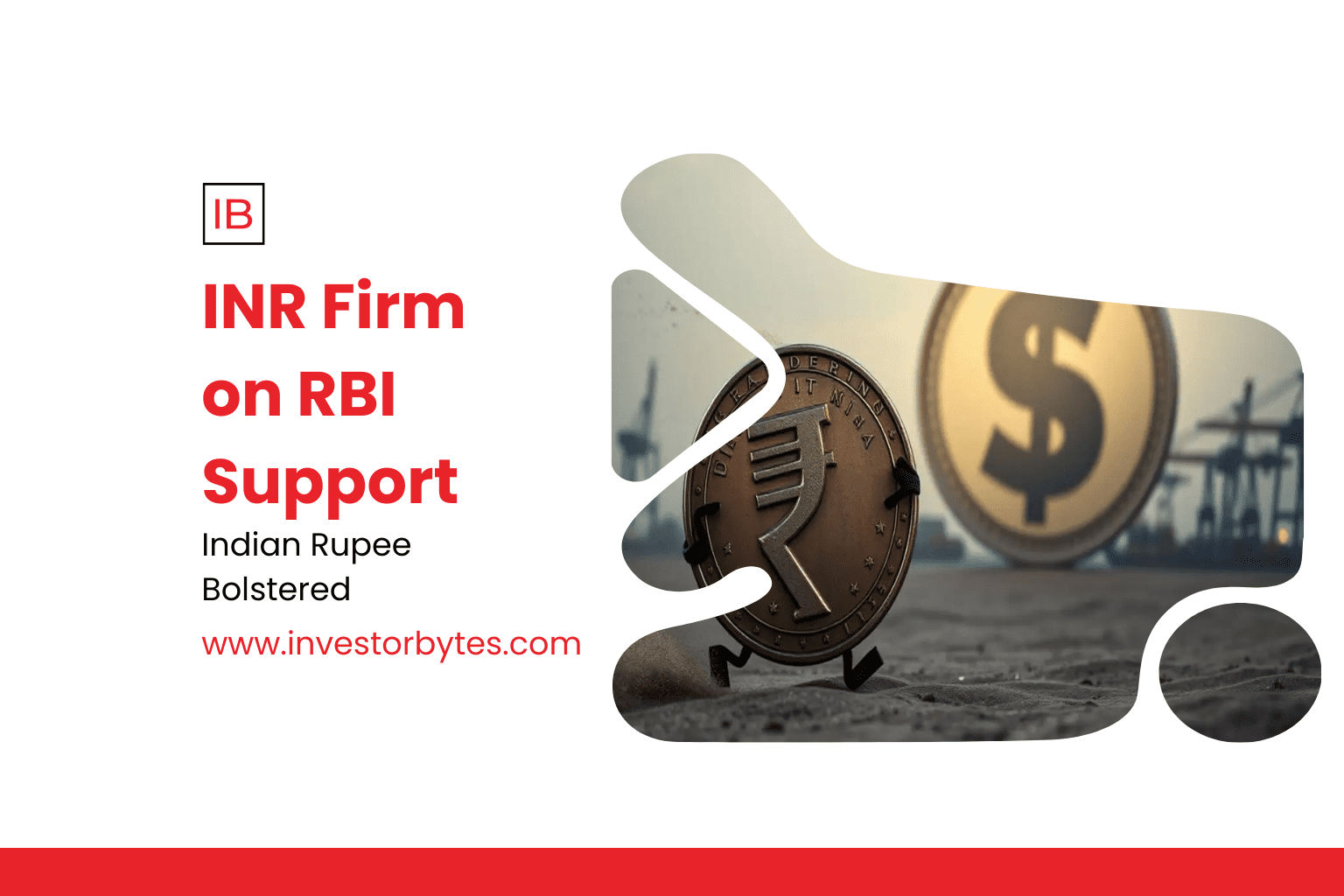
The Indian rupee has demonstrated notable resilience, appreciating 0.6% against the US dollar in recent sessions to hover around 89.34 per dollar, its strongest level in over a month amid the Reserve Bank of India’s (RBI) proactive interventions to curb excess volatility. This firmness aligns with RBI Governor Sanjay Malhotra’s recent affirmation of scope for further policy rate reductions, following a 50 basis point cut to 5.50% in September and a staggered 100 basis point cash reserve ratio (CRR) slash to 3.00% through November, injecting Rs 2.5 trillion in liquidity to fuel growth during the busy season. With headline CPI inflation dipping to a multi-year low of 2.10% in June—bolstered by base effects and food price moderation to -1.06%—the RBI’s neutral stance prioritizes sustainable expansion, projecting 6.5% GDP growth for 2025-26 amid robust domestic demand and a current account deficit narrowing to 1.2% of GDP. This policy ballast, coupled with forex reserves exceeding $700 billion, shields the rupee from global tariff headwinds, fostering a conducive environment for capital inflows into India’s burgeoning equity markets.
Mumbai’s financial titans are channeling this stability into robust performances. HDFC Bank disclosed a 12% surge in treasury revenues to Rs 4.2 trillion in Q3, leveraging rupee forwards and USD/INR options as corporates embedded gains against depreciation risks. ICICI Bank reported 10% growth in FX derivatives to Rs 3.1 trillion, capitalizing on 18% volume spikes in cross-currency swaps amid RBI signals. These upticks exemplify India’s banking sector as a volatility navigator, where advanced analytics and deep liquidity pools transmute policy cues into profitable streams, sustaining rupee poise despite broader EM pressures.
Indian conglomerates are reaping the rewards of the rupee’s steadiness. Exporter Reliance Industries unveiled a 26% stock rally in 2025, adding Rs 4.4 lakh crore to its market cap near Rs 21 lakh crore, with net forex revenues hitting Rs 96,098 crore in FY24—propelling Q3 profits to Rs 18,000 crore as stable INR minimized translation losses on 60% overseas sales in energy and telecom. The firmness curbed hedging outlays by 7%, unlocking funds for Jio’s 5G expansions. IT powerhouse TCS echoed with a 15% revenue uptick to Rs 65,000 crore, its Rs 1.1 lakh crore forex inflows shielding against US tariff drags, yielding Rs 12 billion in efficiencies for AI R&D. Importers like Tata Steel project 2.5% input cost trims on dollar commodities—30% of procurement—forecasting Rs 5,000 crore savings via forward locks.
Analysts project INR’s robustness through Q2 2026, with USD/INR eyeing 88.50-89.50 as RBI eases twice more amid GDP at 6.8% and unemployment at 7.0%. IMF upgrades exports to 12% growth on services boom, though 50% US tariffs cap manufacturing. Urge layering calls on PMI upticks, vigilant for Fed cuts bolstering flows. A hawkish RBI pivot could extend gains, but trade frictions warrant collars.
Bullish halos encircle rupee realms, fusing RBI resolve with structural surpluses in a tariff-tormented terrain. This policy perch not only anchors export edges but empowers domestic vigor, fortifying India’s ascent in a multipolar mosaic. Savvy stewards should array INR straddles, clinching a continuum where support signals sustained strength.