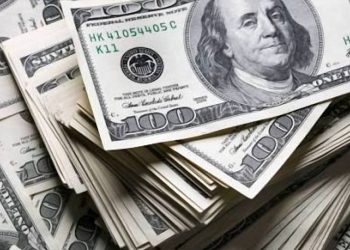
In a market landscape buzzing with renewed confidence, the US Dollar Index (DXY) surges 0.6% to 99.80, fueled by fresh optimism surrounding the latest US-China trade agreement. This pivotal pact, emphasizing increased Chinese purchases of American agricultural goods and eased restrictions on key imports, signals a thaw in longstanding tensions. Investors are betting on smoother supply chains and reduced geopolitical risks, propelling the greenback higher against major currencies like the euro and yen. As global trade flows stabilize, the USD‘s ascent underscores its enduring role as a safe-haven asset amid evolving economic narratives.
The breakthrough in US-China negotiations marks a cornerstone for currency markets. Under the agreement, China commits to procuring substantial volumes of US soybeans and energy products, bolstering American exporters and injecting liquidity into bilateral commerce. This development not only alleviates tariff overhangs but also fosters predictability for multinational corporations reliant on cross-border operations. Forex traders, sensing a shift from uncertainty to opportunity, have piled into dollar longs, driving the DXY’s sharp rebound from recent sub-99 levels. The index’s climb reflects broader risk-on sentiment, where trade harmony amplifies USD strength by curbing volatility in emerging markets and commodity prices.
Wall Street’s heavyweights are reaping the rewards of this forex fervor. JPMorgan Chase, a titan in currency trading, reports a robust 25% year-over-year jump in markets revenue to $8.9 billion for the most recent quarter, with forex desks contributing significantly through heightened client flows and algorithmic precision. This performance catapults the firm’s trading profits to new heights, underscoring how trade optimism translates into tangible gains for sophisticated players navigating currency swings. Similarly, Citigroup showcases resilience with a 15% increase in markets revenues, reaching $7.2 billion, as its global network capitalizes on arbitrage opportunities sparked by the deal. These gains highlight the banking sector’s agility in leveraging geopolitical tailwinds, where forex volumes spike amid policy pivots.
Corporate America stands to benefit immensely, with tech giants like Apple at the forefront. The halved tariffs on Chinese imports—now suspended for a full year—slash Apple’s procurement costs by an estimated 4%, saving the iPhone maker billions in supply chain expenses. By streamlining access to essential components such as rare earth minerals and assembly expertise, Apple can redirect savings toward innovation and shareholder returns. This cost relief exemplifies how trade de-escalation empowers US firms to compete globally, enhancing profit margins and fueling stock buybacks. Beyond tech, sectors like manufacturing and agriculture are poised for windfalls, as lower barriers unlock pent-up demand and diversify sourcing strategies away from overreliance on single markets.
Analysts are sharpening their pencils, with many now targeting a DXY push toward 101 in the coming months. Experts at leading firms like Morgan Stanley and MUFG point to sustained trade momentum as a key driver, projecting the index to average 100.5 by year-end before testing higher thresholds. This bullish outlook hinges on complementary factors: resilient US growth outpacing peers, potential Federal Reserve pauses on rate cuts, and a stabilizing yuan that discourages aggressive dollar dumping. Yet, cautions abound—any slippage in implementation could trigger reversals, reminding traders that forex markets reward vigilance over complacency.
The USD’s rally on trade hopes isn’t merely a blip; it’s a harbinger of recalibrated global dynamics. As bridges rebuild between Washington and Beijing, the dollar’s fortified position invites strategic repositioning across portfolios. For investors eyeing currency exposure, this surge offers a timely entry point, blending defensive appeal with upside potential. In an era where trade pacts reshape fortunes, the greenback’s resurgence affirms its centrality, drawing capital flows and igniting debates on monetary supremacy. Stay attuned to evolving headlines—the next chapter in US-China relations could redefine market horizons, with the USD leading the charge.