Major Legal Battle Over Weedkiller Liability Moves Toward Key Decision
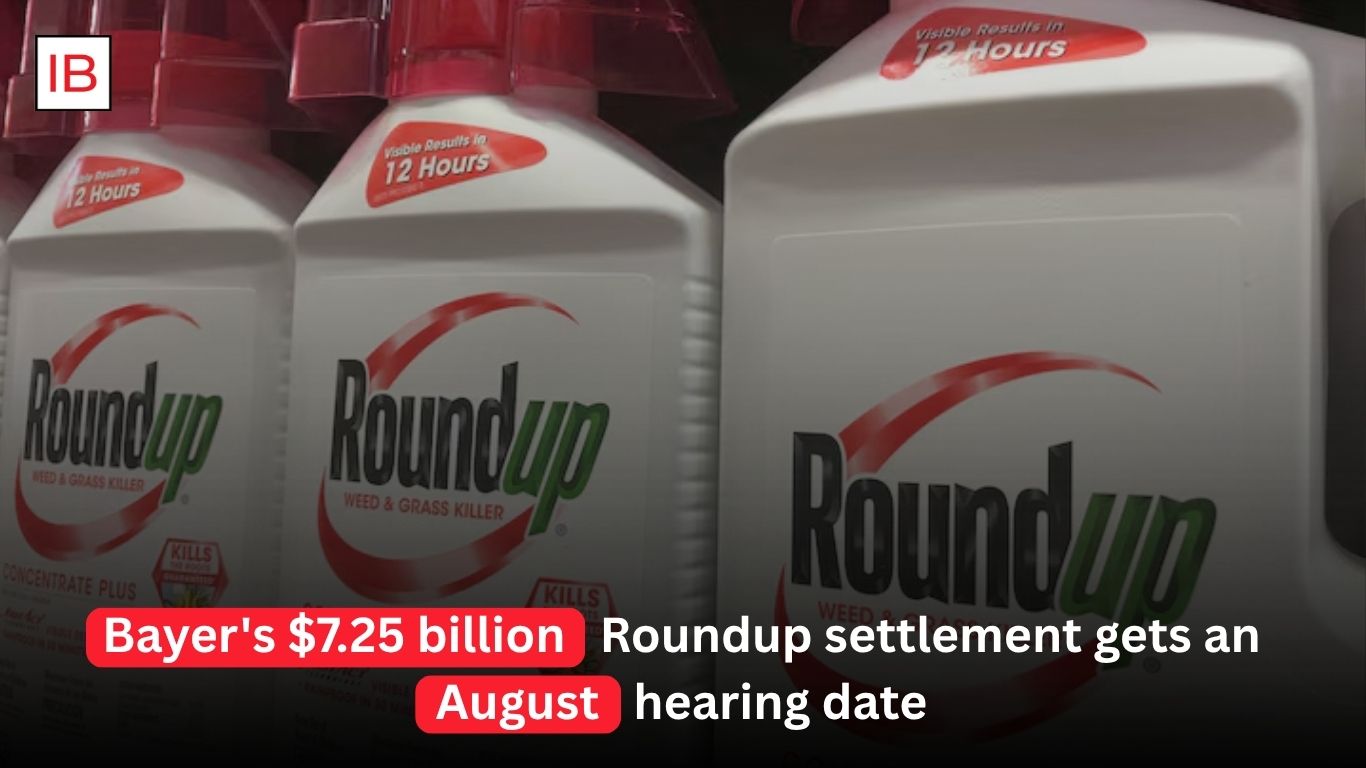
Bayer’s proposed $7.25 billion settlement to resolve widespread lawsuits over its Roundup weedkiller will face a formal court hearing on August 19, 2026, marking another critical step in one of the largest mass tort cases in U.S. corporate history.
A Missouri state court scheduled the hearing after delays tied to jurisdictional disputes and procedural objections, as plaintiffs and defendants continue to debate how the massive settlement should be reviewed and implemented.
The agreement aims to resolve tens of thousands of claims alleging that exposure to Roundup caused cancer, particularly non-Hodgkin lymphoma.
What the Settlement Covers
The proposed deal is designed to resolve approximately 65,000 existing lawsuits, along with a framework for handling future claims linked to the herbicide.
Bayer has agreed to fund the settlement over multiple years, with payments potentially stretching across decades. The company maintains that Roundup’s active ingredient, glyphosate, is safe and does not cause cancer, while continuing to deny liability in the cases.
If approved, the agreement would represent one of the largest global settlements in the agrochemical industry.
Legal Background: Years of Litigation Against Roundup
The lawsuits stem from claims that Roundup, a widely used weedkiller originally developed by Monsanto (acquired by Bayer in 2018), causes cancer in people exposed to it over long periods.
Over the years, Bayer has faced thousands of individual trials and billions of dollars in legal exposure, with outcomes varying between plaintiff and defense victories.
The company has repeatedly argued that regulatory agencies, including the U.S. Environmental Protection Agency (EPA), have not required cancer warning labels for glyphosate, reinforcing its position that the product is safe.
Supreme Court Ruling Strengthens Bayer’s Position
The settlement process is unfolding shortly after a major U.S. Supreme Court decision that limited the ability of plaintiffs to pursue “failure-to-warn” claims under state law when federal regulators have not required such warnings.
That ruling is widely seen as a significant legal win for Bayer, narrowing the scope of thousands of ongoing lawsuits and strengthening its negotiating position in settlement discussions.
Court Delays and Procedural Disputes
The August hearing follows earlier delays caused by disputes over whether the settlement should be reviewed in federal or state court.
Some plaintiffs had attempted to shift the case to federal jurisdiction, arguing that the structure of the settlement required a different legal review process. A federal judge ultimately returned the matter to Missouri state court, allowing the settlement process to continue in its original venue.
Despite the delays, Bayer and supporting plaintiffs’ lawyers have maintained that the settlement process remains on track.
Ongoing Opposition and Legal Challenges
Not all plaintiffs agree with the proposed settlement.
Some objectors have raised concerns about fairness, legal representation, and compensation structure, arguing that the agreement may not adequately reflect the severity of alleged injuries or provide sufficient compensation for all claimants.
These objections are expected to be addressed during the upcoming August hearing, where the court will assess whether to grant final approval.
Financial and Industry Impact
The Roundup litigation has been a major financial burden for Bayer since its acquisition of Monsanto in 2018, contributing to investor uncertainty and long-term legal liabilities.
Analysts note that resolving the case could significantly reduce legal risk and help stabilize Bayer’s agricultural business, which has faced pressure from competition and regulatory scrutiny.
At the same time, the case has become a landmark example of how mass tort litigation can reshape corporate strategy, settlement frameworks, and investor expectations.
Looking Ahead
The August 19 hearing will be a key milestone in determining whether Bayer’s $7.25 billion settlement can move forward toward final approval.
If accepted, the agreement could bring partial closure to years of litigation while still leaving some claims unresolved. If rejected or delayed further, the legal battle over Roundup could continue to drag on across U.S. courts.
For now, the case remains one of the most closely watched corporate legal disputes in the world, with implications for Bayer, plaintiffs, and the broader pesticide industry.