Internal Divisions Grow as Ed Miliband’s Bid for Treasury Role Faces Resistance
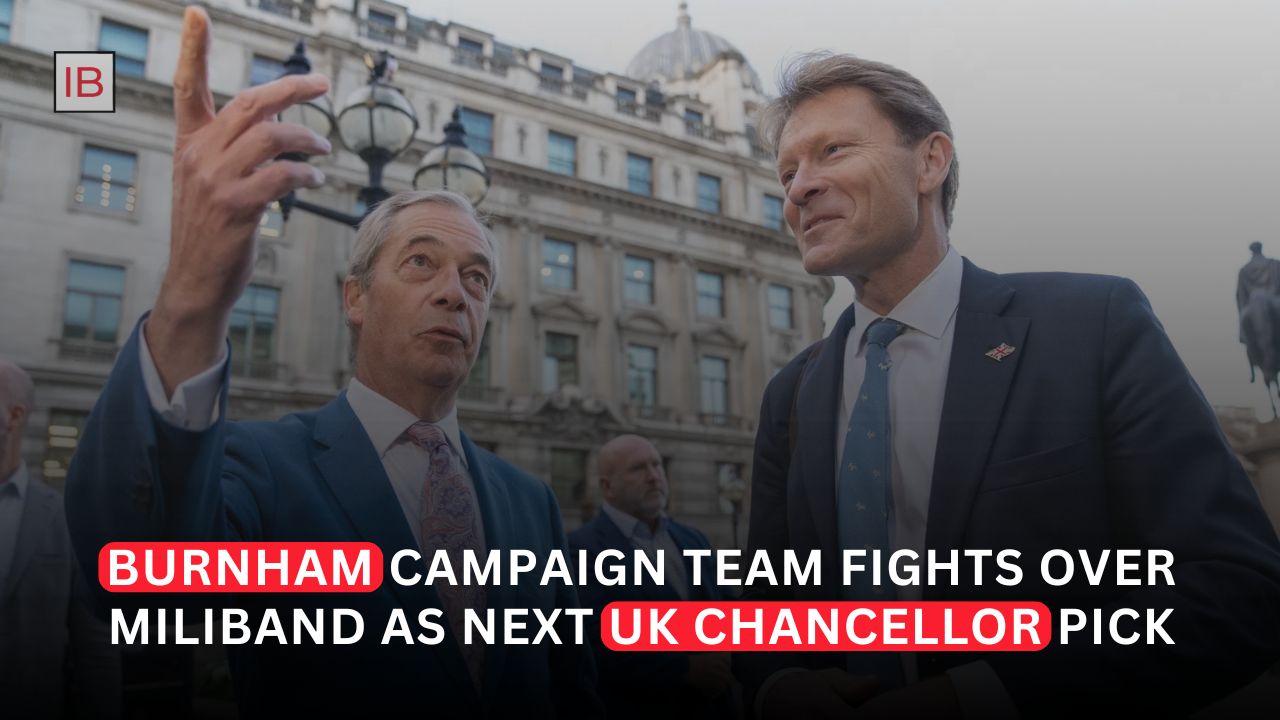
Internal disagreements have reportedly emerged within Andy Burnham’s transition team over who should become the UK’s next Chancellor of the Exchequer, with divisions deepening over whether Energy Secretary Ed Miliband should be appointed to the powerful Treasury post.
According to reports, supporters of Miliband have clashed with other senior advisers who believe a more market-friendly candidate would better reassure investors and strengthen the incoming government’s economic credibility.
Miliband’s Candidacy Divides Labour Figures
Ed Miliband has been considered one of the leading contenders for the Treasury role due to his close relationship with Burnham and his influence on economic policy.
However, critics within Labour reportedly argue that:
- His political profile could unsettle financial markets.
- His net-zero agenda remains controversial among some MPs and trade unions.
- A different appointment may better reassure investors.
- The government should project fiscal stability from day one.
- Cabinet unity should take priority over factional interests.
Rival Candidates Gain Momentum
As debate continues, other senior Labour figures have reportedly emerged as strong alternatives.
Potential contenders include:
- Shabana Mahmood
- Pat McFadden
- Jonathan Reynolds
Among them, Mahmood has increasingly been viewed by political observers as a leading candidate because of her reputation for pragmatic economic management and her perceived appeal to financial markets.
Cabinet Decisions Yet to Be Finalized
Burnham has reportedly delayed announcing his Cabinet until after formally taking office, saying he wants to finalize the government’s policy direction before assigning ministerial positions.
Current priorities include:
- Completing Cabinet appointments
- Finalizing economic strategy
- Building party unity
- Reassuring investors
- Preparing the government’s legislative agenda
Financial Markets Watching Closely
Investors are paying close attention to the Chancellor appointment because it will influence expectations for the government’s fiscal policy.
Markets are monitoring:
- Public spending plans
- Tax policy
- Government borrowing
- Fiscal discipline
- Economic growth strategy
Internal Tensions Reflect Broader Party Debate
The reported disagreements highlight broader differences within Labour over the balance between progressive economic policies and maintaining market confidence.
The debate centers on:
- Economic priorities
- Climate investment
- Fiscal responsibility
- Public investment
- Long-term growth strategy
Looking Ahead
Andy Burnham’s choice of Chancellor is expected to become one of the defining decisions of his incoming administration. While Ed Miliband remains a prominent contender, reported internal divisions and growing support for alternative candidates underscore the importance of the appointment for both Labour’s internal unity and investor confidence.
The final decision is expected after Burnham formally assumes office, with financial markets and political observers closely watching who will lead the UK’s economic policy.