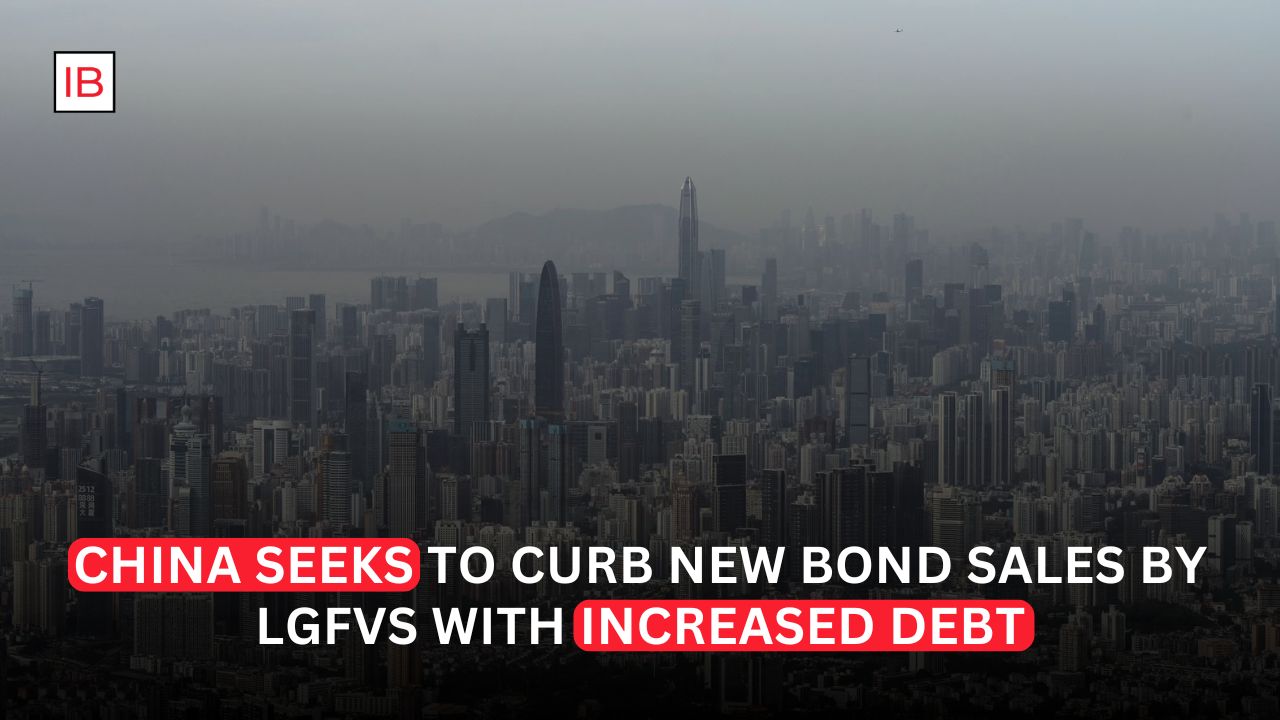
Beijing Moves to Restrict New Bond Issuance by Highly Indebted LGFVs as It Seeks to Reduce Financial Risks
China is preparing to tighten restrictions on Local Government Financing Vehicles (LGFVs) by limiting new bond issuance from entities with already elevated debt levels, marking the latest step in Beijing’s campaign to reduce financial risks and improve the sustainability of local government finances.
LGFVs have long been a key source of funding for infrastructure projects across China, allowing local governments to raise money outside their official budgets. However, years of heavy borrowing—combined with weaker land-sale revenues following the property market downturn—have left many local authorities under growing financial pressure. The new measures aim to curb additional leverage while encouraging local governments to rely on more transparent and sustainable financing channels.
Stricter Rules on New Bond Sales
Under the proposed framework, authorities plan to scrutinize new bond issuance more closely, particularly for financing vehicles carrying large debt burdens.
The measures are expected to:
- Restrict new borrowing by highly leveraged LGFVs.
- Encourage debt reduction before additional financing.
- Improve oversight of local government borrowing.
- Reduce financial risks within China’s bond market.
- Promote greater fiscal discipline among regional governments.
Officials hope the policy will slow the accumulation of hidden debt while strengthening confidence in China’s financial system.
LGFVs Played a Major Role in China’s Growth
For years, LGFVs enabled local governments to finance highways, railways, industrial parks, housing developments, and other infrastructure projects despite restrictions on direct borrowing.
Their financing supported:
- Urban development.
- Transportation infrastructure.
- Public utilities.
- Industrial expansion.
- Regional economic growth.
While these investments helped fuel China’s rapid economic expansion, they also contributed to the build-up of significant off-balance-sheet debt, which has become a growing concern for policymakers.
Property Slowdown Has Increased Fiscal Pressure
China’s prolonged property market weakness has significantly reduced one of the largest revenue sources for local governments: land sales.
As revenue declined, many local authorities struggled to:
- Repay existing obligations.
- Finance new infrastructure.
- Maintain public spending.
- Support regional economic growth.
The financial strain has increased reliance on debt restructuring and prompted Beijing to accelerate reforms aimed at improving fiscal sustainability.
Debt Cleanup Continues
Over the past two years, China has introduced several initiatives to address local government debt, including large-scale debt-swap programs that convert high-cost hidden liabilities into lower-cost official municipal debt.
These efforts are designed to:
- Lower financing costs.
- Reduce refinancing risks.
- Improve transparency.
- Stabilize regional finances.
- Prevent systemic financial stress.
While the programs have eased immediate repayment pressures, analysts note they primarily refinance existing obligations rather than generate new economic growth.
Investors Watch China’s Bond Market
The tighter borrowing rules are expected to have implications for China’s domestic bond market.
Market participants will monitor:
- LGFV bond issuance volumes.
- Credit quality.
- Regional government finances.
- Infrastructure investment.
- Economic growth prospects.
Some analysts believe the measures could improve long-term financial stability, although they may also limit funding for new infrastructure projects in the near term.
Balancing Growth and Financial Stability
Beijing continues to face the challenge of supporting economic growth while reducing financial risks.
Policymakers are attempting to strike a balance by:
- Containing excessive borrowing.
- Preserving infrastructure investment where needed.
- Encouraging sustainable financing.
- Strengthening fiscal oversight.
- Maintaining confidence in financial markets.
The success of these reforms will likely play an important role in shaping China’s economic outlook over the coming years.
Looking Ahead
China’s planned restrictions on new bond issuance by highly indebted Local Government Financing Vehicles represent another significant step in its broader effort to address mounting local government debt. While the measures may reduce financial risks and improve transparency, they also highlight the difficult balance between maintaining economic growth and enforcing fiscal discipline.
As the property market remains under pressure and local governments continue to manage large debt burdens, investors will closely watch how Beijing implements these reforms and whether they succeed in creating a more sustainable financing model without slowing broader economic activity.