Global Investment Giant Expands Middle East Presence as Kuwait Pushes to Attract International Capital
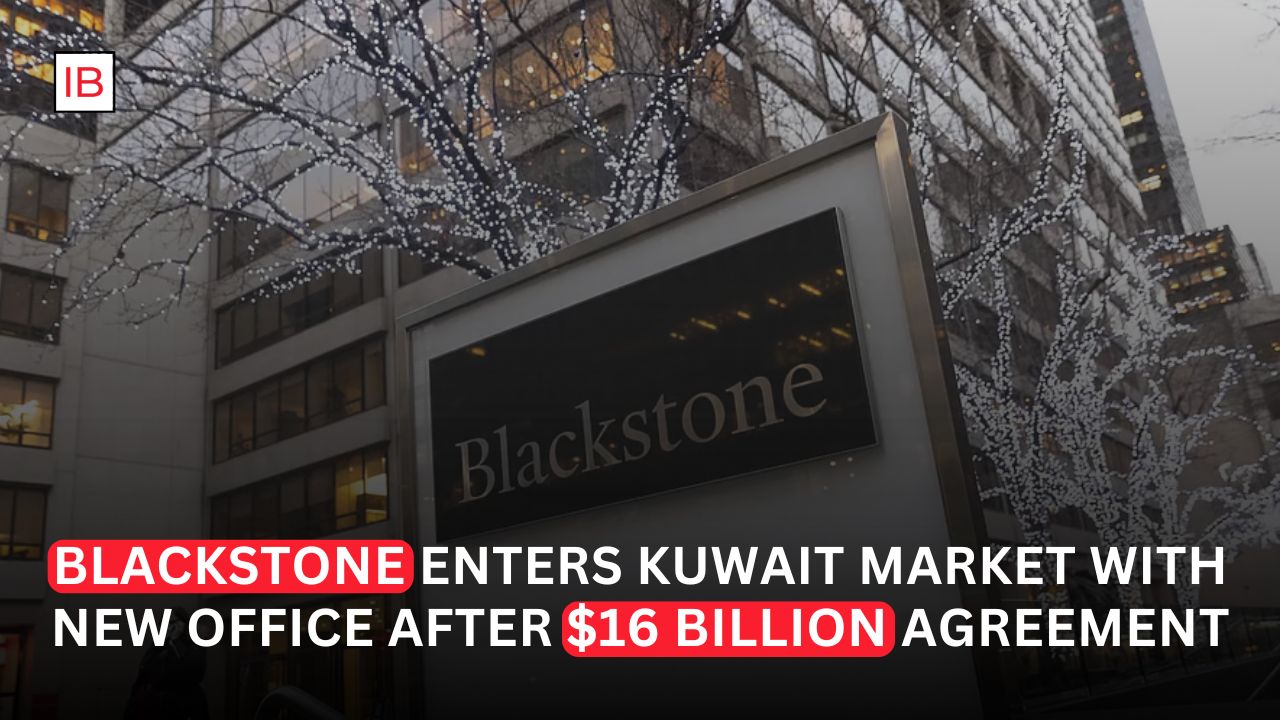
Global alternative asset manager Blackstone Inc. has announced the opening of its first office in Kuwait, marking a major expansion of its Middle East operations just days after completing its role in the country’s landmark $16 billion oil pipeline infrastructure partnership. The move underscores Blackstone’s growing confidence in Kuwait’s economy and reflects the firm’s broader strategy of strengthening its presence across the Gulf region despite ongoing geopolitical uncertainty.
The new office follows the successful signing of Project Peregrine, Kuwait’s historic pipeline investment agreement involving Blackstone, Brookfield, and KKR. The transaction, the largest foreign direct investment in Kuwait’s history, has positioned the country as an increasingly attractive destination for global institutional investors seeking long-term infrastructure opportunities.
Building a Stronger Presence in Kuwait
Blackstone’s decision to establish a permanent office signals a long-term commitment to Kuwait’s financial and investment landscape.
The new office will help the company:
- Develop closer relationships with government institutions.
- Identify additional infrastructure investments.
- Expand private capital opportunities.
- Strengthen regional partnerships.
- Support future investment projects across the Gulf.
Company executives believe maintaining a local presence will improve access to investment opportunities while allowing Blackstone to work more closely with Kuwaiti public and private sector organizations.
Pipeline Deal Marks Historic Investment
The office announcement comes shortly after Blackstone participated in Project Peregrine, a $16 billion lease-and-leaseback agreement involving Kuwait’s crude oil pipeline network.
Under the transaction:
- Kuwait Oil Company retains 51% ownership.
- Blackstone, Brookfield, and KKR collectively acquire 49%.
- Kuwait maintains full operational control.
- The agreement runs for 20.5 years.
- Kuwait receives approximately $7.85 billion in upfront proceeds.
The pipeline system includes approximately 320 kilometers of infrastructure connecting oil fields with export terminals, making it one of Kuwait’s most strategically important energy assets.
Kuwait Seeks More Foreign Investment
The government views Blackstone’s decision as evidence that Kuwait is becoming increasingly attractive to international investors.
Officials say the investment supports broader efforts to:
- Diversify the economy.
- Modernize infrastructure.
- Increase foreign direct investment.
- Finance long-term development projects.
- Expand crude oil production capacity.
Revenue generated from the pipeline transaction will help fund capital expenditure plans while supporting Kuwait Petroleum Company’s goal of increasing production capacity to 4 million barrels per day by 2035.
Confidence Despite Regional Tensions
Blackstone’s expansion comes at a time when geopolitical risks remain elevated across the Middle East.
Recent regional conflicts have disrupted energy markets, transportation networks, and investor sentiment.
Despite these challenges, Blackstone appears to view Kuwait as offering attractive long-term opportunities supported by:
- Strong sovereign finances.
- Large energy reserves.
- Infrastructure investment needs.
- Economic reform initiatives.
- Stable long-term growth potential.
The company has continued expanding across the Gulf even as regional security concerns have intensified.
Expanding Middle East Strategy
The Kuwait office forms part of Blackstone’s broader regional expansion.
In recent years, the firm has increased investments across:
- Energy infrastructure.
- Real estate.
- Aviation leasing.
- Technology.
- Financial services.
Blackstone has also announced plans to strengthen its presence elsewhere in the Gulf while maintaining existing operations in Abu Dhabi and expanding activities throughout the United Arab Emirates.
Executives believe the Gulf remains one of the world’s fastest-growing regions for infrastructure investment and private capital deployment.
Infrastructure Remains Major Opportunity
Global investment firms increasingly view infrastructure as one of the most attractive long-term asset classes.
Demand continues growing for investments in:
- Energy networks.
- Transportation systems.
- Digital infrastructure.
- Utilities.
- Logistics assets.
These investments typically generate predictable long-term cash flows, making them particularly attractive for pension funds, sovereign wealth funds, and institutional investors seeking stable returns.
Looking Ahead
Blackstone’s decision to open a permanent office in Kuwait represents more than just a geographic expansion—it reflects growing international confidence in Kuwait’s long-term investment potential. Coming immediately after the completion of the country’s record-breaking $16 billion pipeline partnership, the move strengthens Blackstone’s ability to pursue additional opportunities across one of the Gulf’s largest energy-producing economies.
As Gulf governments continue diversifying their economies and attracting global capital, infrastructure partnerships are becoming an increasingly important source of investment. For Blackstone, establishing a local presence positions the firm to participate in future projects while deepening relationships with regional institutions. If Kuwait’s reform agenda continues attracting international investors, the new office could become an important hub for Blackstone’s expanding Middle East operations and reinforce the country’s ambition to become a leading destination for global infrastructure investment.