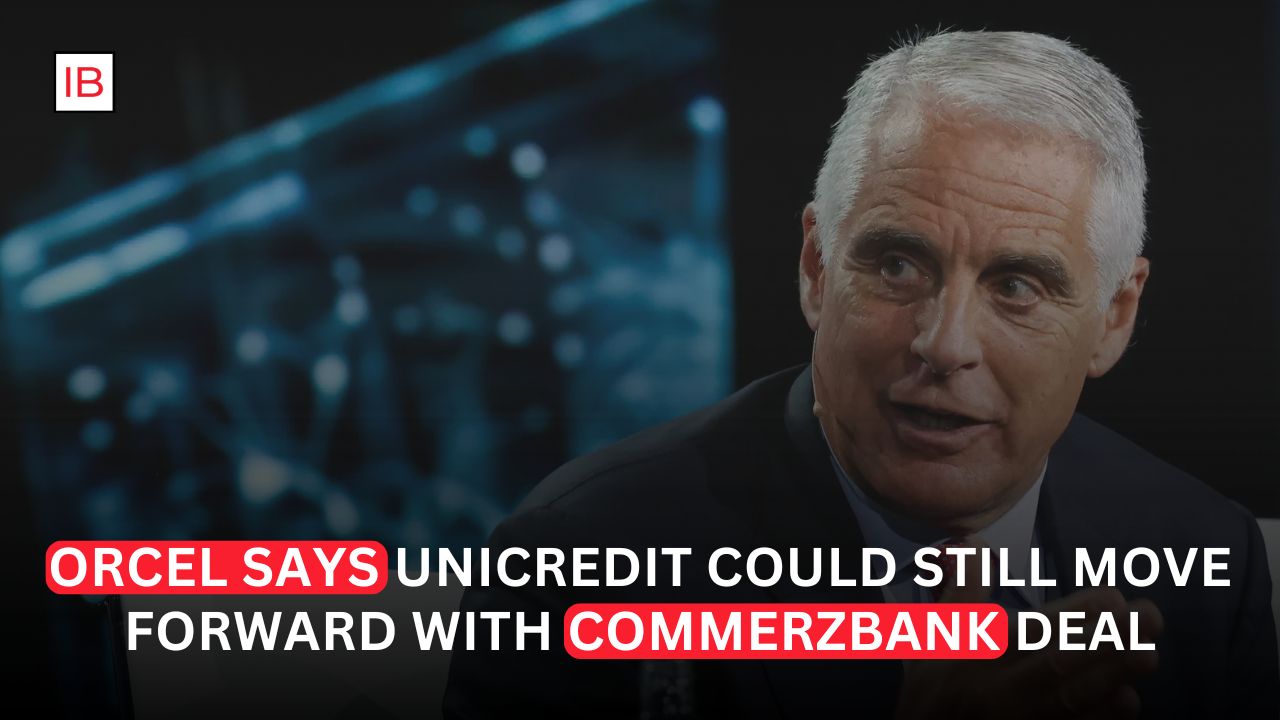
Italian Banking Giant Sees Path to Negotiated Deal as Germany’s Second-Largest Lender Opens Door to Formal Talks
UniCredit Chief Executive Andrea Orcel says a negotiated agreement for the acquisition of Commerzbank can still be achieved, expressing confidence that discussions with the German lender could ultimately produce a mutually acceptable takeover despite nearly two years of political resistance and corporate tension. Orcel believes recent developments indicate that both sides are moving toward constructive negotiations, increasing the likelihood of one of Europe’s largest cross-border banking mergers in decades.
His comments follow a major shift in Commerzbank’s position after Chairman Jens Weidmann publicly acknowledged that the bank is now prepared to enter formal takeover discussions with UniCredit. The change marks a significant departure from Commerzbank’s earlier opposition and reflects the reality that UniCredit has become its largest shareholder with an effective stake approaching 48%, giving the Italian bank substantial influence over future strategic decisions.
Years of Resistance Give Way to Dialogue
The takeover battle began in 2024 when UniCredit quietly started building a stake in Commerzbank, surprising both the German government and the bank’s management.
Since then, UniCredit has steadily increased its ownership through market purchases and tender offers.
The current situation includes:
- UniCredit holding nearly 48% of Commerzbank.
- Regulatory approvals progressing toward completion.
- Commerzbank acknowledging the need for negotiations.
- Germany signaling greater openness to discussions.
- Both sides preparing for possible integration planning.
Although the merger has not yet been finalized, analysts believe the balance of power has shifted significantly in UniCredit’s favor.
Orcel Sees Opportunity for Consensus
Rather than pursuing a hostile takeover, Orcel says he prefers reaching a negotiated agreement that protects the interests of all stakeholders.
According to UniCredit, discussions would focus on:
- Long-term growth strategy.
- Employee protections.
- Customer continuity.
- Operational integration.
- Strengthening Europe’s banking sector.
Orcel has repeatedly argued that combining UniCredit and Commerzbank would create a stronger pan-European financial institution capable of competing more effectively with larger international banking groups.
Commerzbank Changes Its Position
Perhaps the biggest breakthrough has come from Commerzbank itself.
Chairman Jens Weidmann recently acknowledged that direct talks are now necessary, recognizing UniCredit’s growing influence after the successful tender offer.
He emphasized that negotiations should seek safeguards for:
- Employees.
- Shareholders.
- Customers.
- Frankfurt headquarters.
- Small and medium-sized business lending.
The willingness to negotiate represents a major change after months of public resistance from both Commerzbank management and German political leaders.
Germany Remains Cautious
Although Berlin’s opposition has softened, German officials continue emphasizing that any agreement must protect national economic interests.
Political leaders have highlighted concerns regarding:
- Job security.
- Domestic lending.
- Corporate governance.
- Banking competition.
- Financial stability.
UniCredit has indicated it is prepared to engage directly with German authorities to address these issues before completing the transaction.
Strategic Benefits
UniCredit believes the merger could create significant value by combining complementary businesses across Europe.
Potential benefits include:
- Greater operating efficiency.
- Larger customer base.
- Stronger digital banking capabilities.
- Cost synergies.
- Improved competitiveness.
The Italian lender has already announced plans to invest approximately €2.2 billion in Commerzbank after gaining control, aiming to modernize operations while improving long-term profitability.
Regulatory Process Continues
Despite growing optimism, several important approvals remain outstanding.
Regulators are expected to review:
- Banking supervision requirements.
- Competition rules.
- Corporate governance.
- Shareholding structure.
- Financial stability implications.
Industry observers expect the main regulatory process to conclude later this year, with full operational integration likely extending into 2027.
A Landmark Deal for Europe
If completed, the acquisition would become one of Europe’s most significant banking mergers since the global financial crisis.
The transaction is viewed as an important test of cross-border banking consolidation within the European Union, where many analysts argue larger institutions are needed to compete globally.
Supporters believe the merger could encourage further consolidation across Europe’s fragmented banking industry.
Looking Ahead
Andrea Orcel’s confidence that an agreement with Commerzbank remains achievable reflects the changing dynamics of one of Europe’s most closely watched corporate takeovers. With Commerzbank now willing to enter formal discussions and UniCredit holding a near-controlling stake, both sides appear closer than ever to reaching a negotiated solution after nearly two years of confrontation.
While regulatory approvals and political considerations still present challenges, momentum has clearly shifted toward dialogue rather than conflict. If negotiations succeed, the merger would reshape the European banking landscape by creating a stronger cross-border institution with expanded operations across Germany, Italy, and Central Europe. The outcome will not only determine the future of UniCredit and Commerzbank but may also influence the next wave of consolidation throughout Europe’s financial sector.