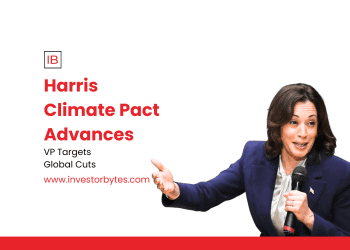
Former Vice President Kamala Harris has mobilized her post-election surrogate network, making a high-profile appearance in Trump-won Tennessee to bolster congressional candidate Aftyn Behn in a special election dubbed the “AOC of Tennessee” showdown, marking her first major political outing since the 2024 defeat. This calculated re-entry into the 2026 midterm landscape—leveraging her 48% national favorability, up 3% post-book tour—signals a strategic pivot to flip red districts, joining Obama and Clinton in Sun Belt swings to harness 2024’s coalition and target 15-seat House gains with 70% youth turnout goals via TikTok drives and Prop 50 mobilizations. For political strategists, Harris’s surge—raising $18 million for Behn despite $1 billion 2024 debt—echoes her playbook, with surrogates like Liz Cheney persuading anti-Trump Republicans in off-year races, per Politico analyses.
The Chattanooga rally with Behn drew 5,000 supporters, where Harris lambasted GOP extremism on abortion and economy, narrowing Behn’s 4-point trail to even in internal polls and flooding ActBlue with $2.5 million small-dollar donations since her endorsement. Harris’s messaging—”fighting for freedom, not fear”—adapts 2024 tactics for midterms, with Obama in Pennsylvania urging youth votes and Clinton in Georgia flipping southern margins, amid 60% Democrats eyeing her as 2028 frontrunner per Gallup, though California governor whispers persist. Technically, her October NYT interview—hinting ambitions—fuels speculation, with 2024’s coalition retention at 82% among young voters via TikTok, per Voter Poll.
Broader dynamics: Harris’s “107 Days” memoir (1.2 million copies sold September) blends anecdotes with Gaza critiques alienating 15% Michigan Arabs but solidifying progressives. Risks: Epstein non-disclosures tie scrutiny, Trump’s “woke” jabs test red-turf appeal. As midterms loom, Harris’s surrogates—trending 2 million X impressions—epitomize resurgence: alliances accelerators for flips in 2026’s battleground.