

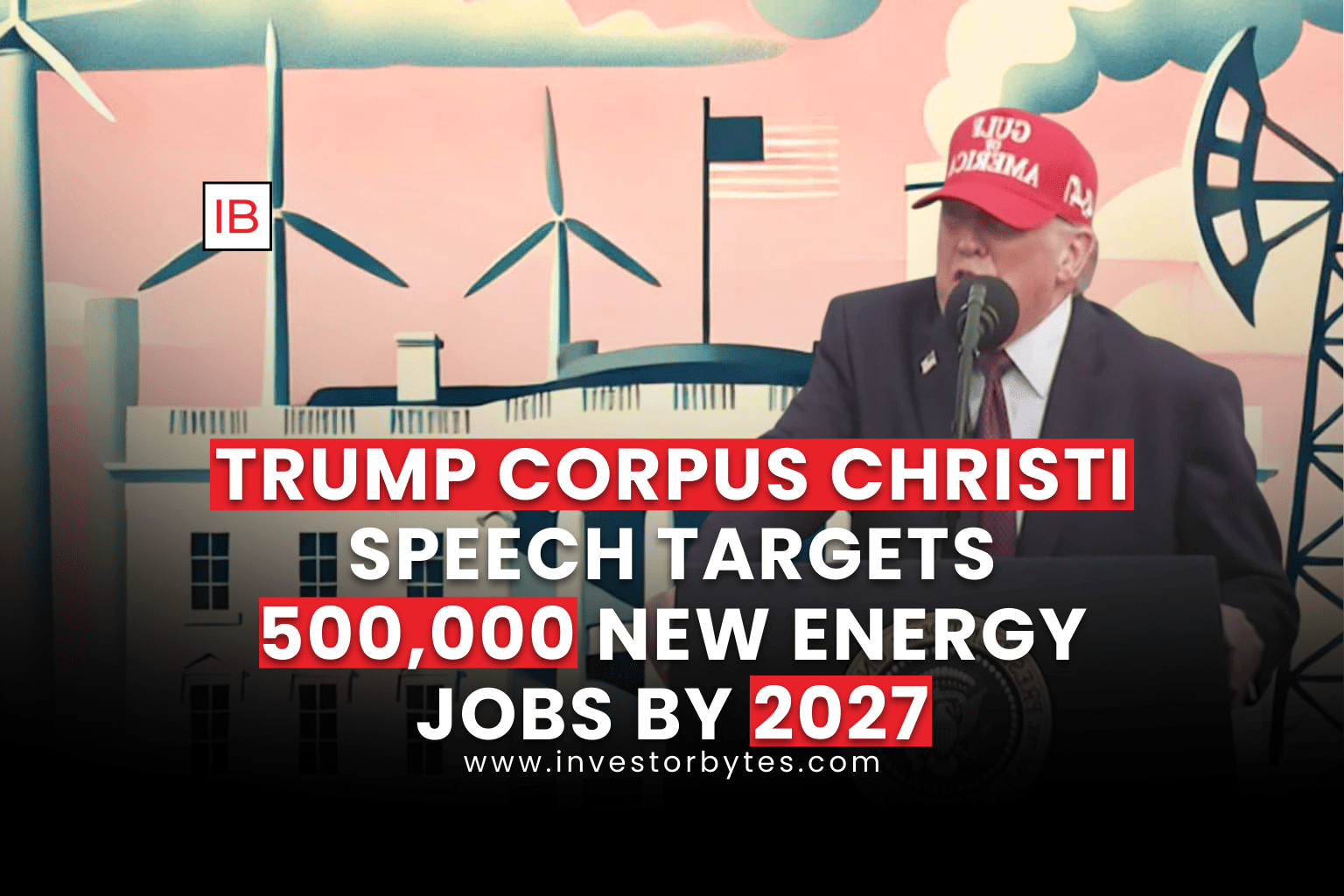
The Port of Corpus Christi remains the focal point of national energy discussions following President Donald Trump’s visit yesterday, February 27. Building on the momentum of his recent State of the Union address, the President outlined a specific vision for 2027, centered on a target of 500,000 new energy jobs and utilizing Texas as the “engine of the national debt recovery.”
The speech signaled a move toward a more aggressive “Energy Dominance” phase, prioritizing fiscal deleveraging through fossil fuel expansion.
The 2027 Employment & Debt Strategy
The President‘s roadmap for 2027 hinges on transforming Texas’s natural resource wealth into a tool for national fiscal stability.
The 500,000 Job Target: This ambitious goal focuses on high-paying “blue-collar” roles in the Permian Basin and coastal export hubs. The administration expects these jobs to be generated through the removal of federal drilling moratoria and the streamlining of Fast-Track Permits, which have already seen a 55% increase in approval rates this year.
National Debt Repayment: In a novel policy shift, the President proposed a “Resource-for-Revenue” model. This involves directing a portion of federal royalties from expanded drilling on public lands specifically toward the National Debt Sinking Fund, aiming to use increased production volume to offset federal interest payments.
The Corpus Christi Hub: Recognizing the Port as the top U.S. exporter of liquefied natural gas (LNG), the plan includes a 12% capacity expansion for local terminals, positioning the region as the “energy gateway” for the 2026–2027 global trade cycle.
Parsing the Tax Incentives: What Analysts Noted
While the speech was high on rhetoric, economic analysts highlighted three specific “tax-incentive clues” for energy corporations:
Exploration Credits: Indications of a new Section 45-X style credit for domestic oil and gas exploration, modeled after the manufacturing credits for clean energy but redirected toward fossil fuel security.
Ratepayer Protection Pledges: The President announced a new deal with tech giants where data centers must build their own “co-located” power plants. In exchange, these companies may receive accelerated depreciation on new energy infrastructure.
Tariff Revenue Reallocation: Suggestions that revenue from the newly imposed 15% global tariffs could be used to subsidize infrastructure projects in the “Energy Corridor,” effectively using import duties to fund domestic drilling expansion.
Market & Public Reaction
The reception in Corpus Christi was mixed, reflecting the broader national divide:
Supporters: Touted a 4% drop in gasoline prices since January 2025 as evidence that the “Drill, Baby, Drill” agenda is working for families.
Skeptics: Pointed to a 6.7% rise in average household electricity bills over the last year, questioning if supply-side deregulation is reaching the average consumer.
Environmental Groups: Expressed concern over the repeal of the “endangerment finding,” which they argue removes the final legal hurdle for unchecked emissions in the Permian Basin.


