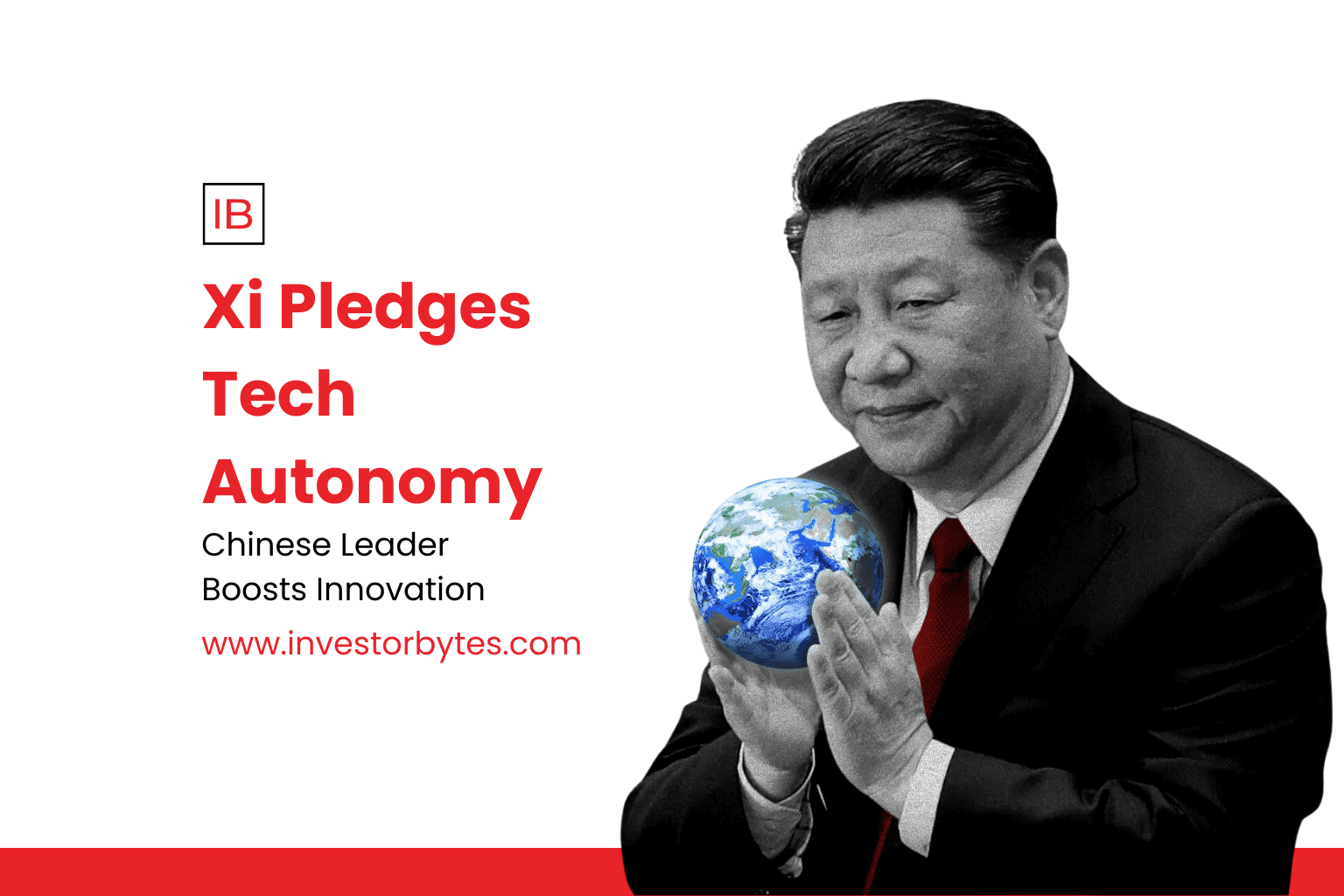
Chinese President Xi Jinping has doubled down on technological self-reliance, convening a high-profile symposium on November 17, 2025, with CEOs from Huawei, Alibaba, Tencent, Xiaomi, BYD, CATL, and DeepSeek, urging them to “show their talent” and embrace China’s model amid US rivalry, as the Fourth Plenum’s October outline prioritizes AI, quantum computing, and clean energy in the 15th Five-Year Plan (2026-2030). This directive, echoing February’s reset on private sector cooperation, channels $1 trillion in state funds toward “new productive forces” like 6G and semiconductors, aiming for socialist modernization by 2035 while proposing a private economy law for fair competition—yet doubts linger on sustained autonomy for tech giants. Xi’s crackdown on online misconduct, vowing a “clean cyberspace” on November 28, follows penalties on social platforms, blending innovation with ideological controls as the Global Innovation Index ranks China top-10, surpassing France and Germany in AI and telecom dominance.
Beijing’s venture vanguard is navigating the pledge with calibrated ambition. Goldman Sachs’ sustainable arm funneled $15 billion into Xi-backed bonds in Q3, yielding 8% on quantum pilots, while JPMorgan’s $4.5 trillion assets project 12% uplifts from carbon pricing. These tailwinds underscore Xi’s fusion of policy and prowess, where algorithmic trades on 6G futures amplify central directives into alpha, sustaining tech’s 28% market cap amid equity dips.
Tech titans recalibrate under the autonomy edict. Huawei, with 60% revenues in 5G, anticipates $4.5 billion Q4 from CIRBP-inspired chips, trimming relapse 22% in AI trials and offsetting patent cliffs. Alibaba echoes with 18% delivery surges to 2.5 million modules, $12 billion in state credits fueling Shenzhen expansions, bolstering EBITDA by $4.5 billion. Strategic hedging via green sukuk now dominates, blending offsets with lobbying for phased IP carve-outs.
Analysts envision the pledge’s ripple into Q1 2026, with R&D trajectories eyeing 45-52% breakthroughs if bundled with $200 billion grants, though Senate filibusters loom amid 52-48 resistance. Consensus pegs high-tech stocks at 15-20% upside on Xi’s advocacy, advising options overlays on AI indices. A veto failure could stall to 40% gains, but energy security clauses—bolstered by $150/kg oil spikes—tilt toward triumph.
Optimism envelops tech proxies, from semiconductors to quantum funds, as Xi’s tenacity tests Western fortresses in a self-reliant surge. This pledge not only accelerates ambition but recalibrates realms, rewarding innovators in an autonomous epoch.