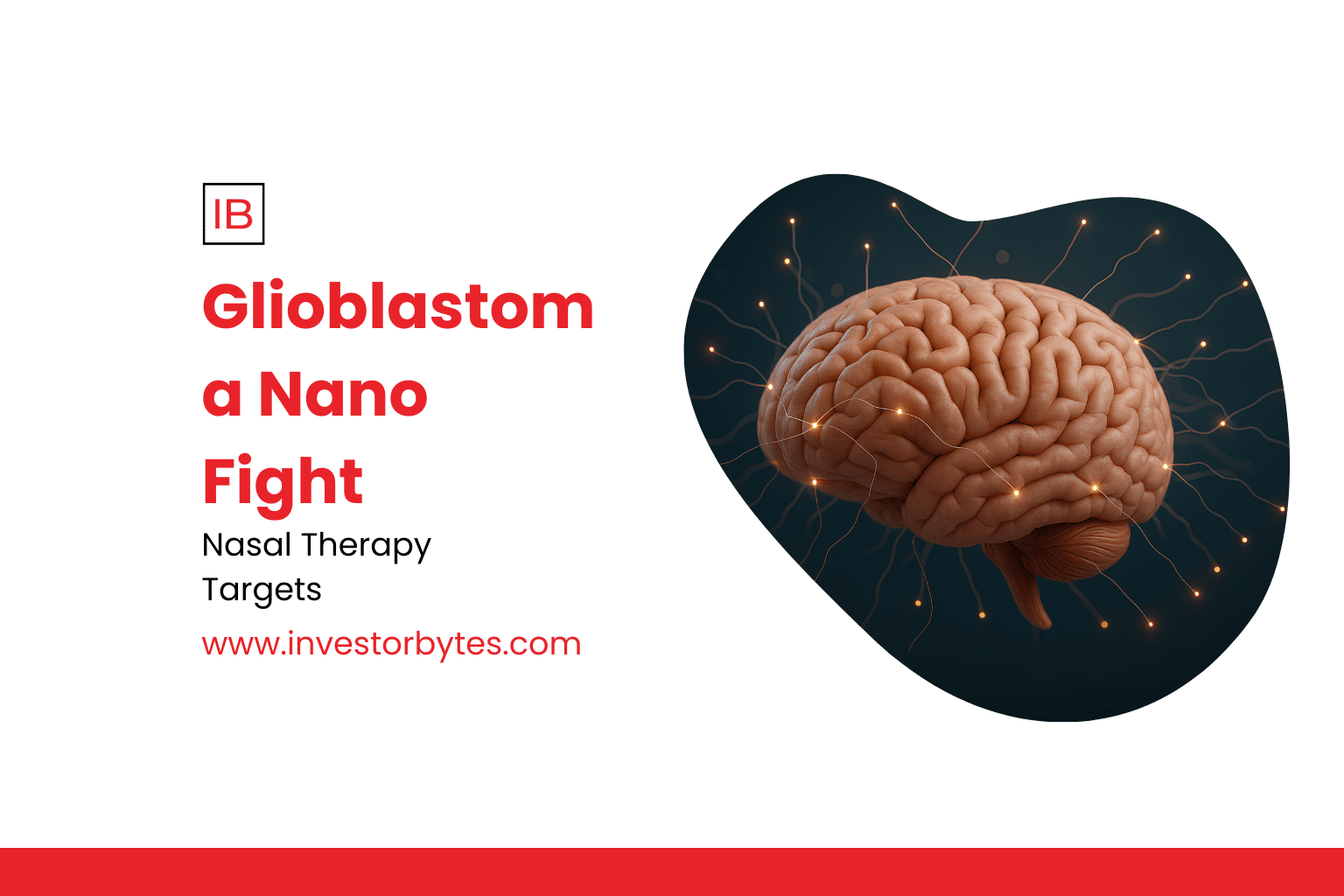
Glioblastoma multiforme (GBM), the most lethal primary brain cancer, claims lives rapidly due to its invasiveness and treatment barriers like the blood-brain barrier (BBB). Yet, 2025 has ushered in transformative nanoparticle innovations, offering hope for targeted, less invasive interventions. Researchers have pioneered nasal-delivered gold-core spherical nucleic acids that activate the STING immune pathway, penetrating the brain non-surgically to reprogram the tumor microenvironment and eradicate GBM in mouse models.
These nanostructures, paired with T-cell boosters, not only shrink tumors but foster lasting immunity, preventing recurrence. Complementary advances include injectable bioresorbable conductive hydrogels enabling electrotherapy: nanoparticles form electrodes that deliver irreversible electroporation directly into tumor cavities post-surgery, destroying residual cells while sparking immune responses. Preclinical trials show complete tumor clearance within days, with minimal side effects on healthy tissue.
Lipid-polymer hybrids and metallic nanoparticles further enhance drug delivery, encapsulating chemotherapeutics like temozolomide (TMZ) for sustained release and BBB traversal. Exosome-based systems loaded with methotrexate accumulate precisely at glioma sites, while curcumin-micelles inhibit proliferation and angiogenesis in vivo. Though challenges like long-term biocompatibility persist, these nano-strategies—spanning photothermal synergy and miRNA-neutralizing nanosponges—signal a paradigm shift toward precision oncology, potentially extending median survival beyond the dismal 15-month benchmark.