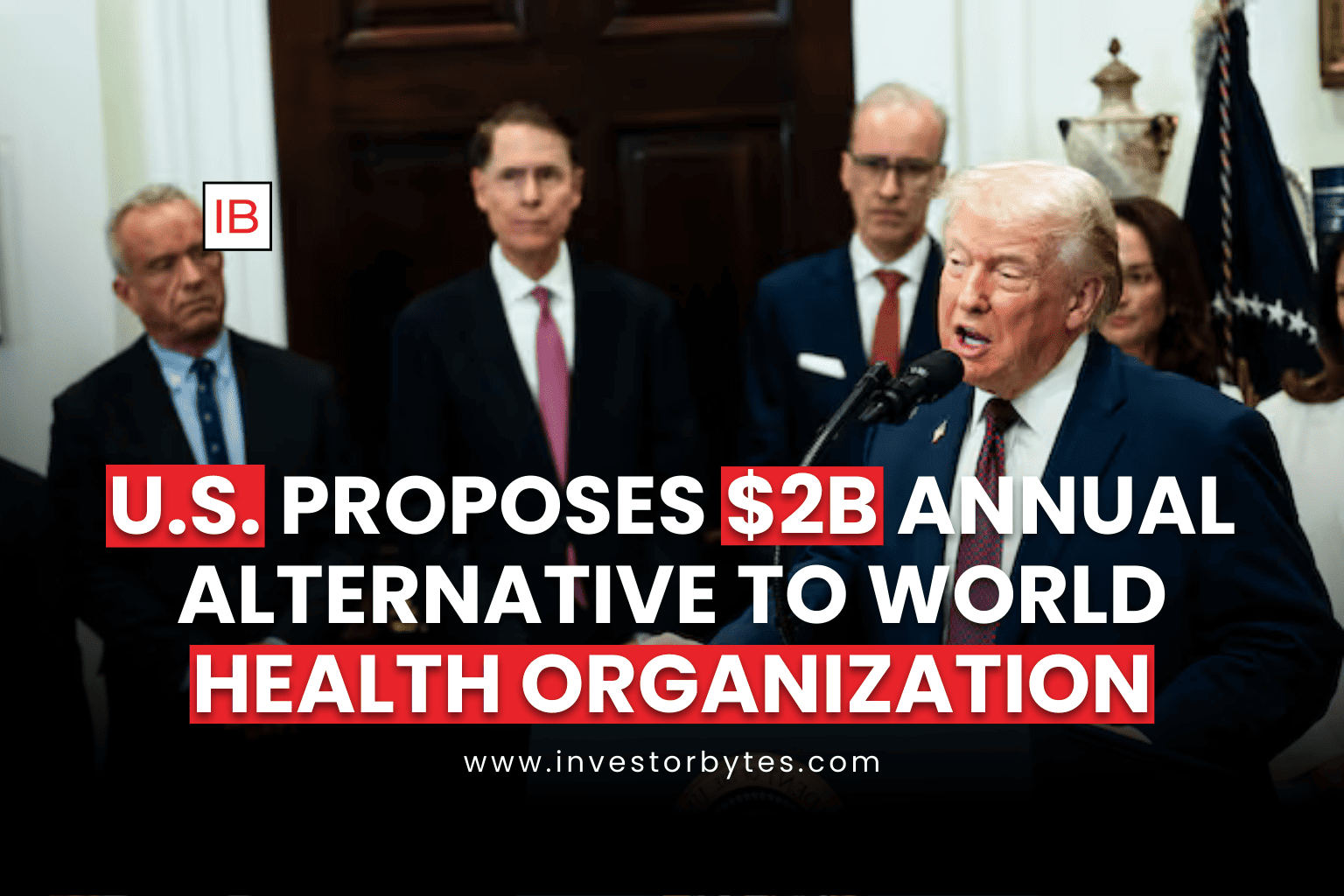
In mid-February 2026, the Trump administration officially detailed its proposal to establish the Global Health Security Network (GHSN), a U.S.-led alternative to the World Health Organization (WHO). Backed by a proposed $2 billion annual budget, the initiative aims to create a parallel infrastructure for pandemic preparedness, biosurveillance, and laboratory coordination.
This proposal follows the formal conclusion of the U.S. withdrawal from the WHO on July 6, 2025, a move predicated on claims of organizational mismanagement and a lack of transparency during previous global health crises.
Key Components of the Proposed Alternative
The $2 billion funding request, expected to be part of the upcoming fiscal year 2027 budget, focuses on three primary pillars of American-led global health:
Bilateral Lab Networks: Instead of centralized WHO reporting, the U.S. intends to fund and manage direct laboratory partnerships in strategic regions, ensuring real-time data sharing under U.S. security protocols.
Rapid-Response Task Forces: A significant portion of the budget is earmarked for “Strike Teams” composed of CDC and HHS personnel who can be deployed globally to assist in early-stage containment of emerging pathogens.
Alternative Standards Board: The GHSN would establish its own regulatory guidelines for vaccines and therapeutics, independent of the WHO’s prequalification process.
Strategic and Diplomatic Implications
The proposal has sparked a divide among international partners and domestic lawmakers:
| Stakeholder | Position | Primary Concern |
| U.S. Administration | Pro-GHSN | Ensures American taxpayer funds are used for transparent, accountable health outcomes. |
| European Union | Opposed | Concerns over “health fragmentation” and the lack of a singular global coordinating body during a crisis. |
| Public Health Experts | Mixed | While some appreciate the increased funding for labs, others fear a loss of access to localized data in non-aligned countries. |