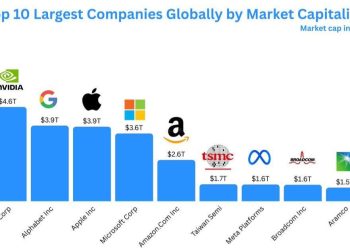
The Nasdaq Composite shed 3% in November 2025, snapping a seven-month winning streak amid AI rally jitters, government shutdown fallout, and valuation recalibrations—its worst monthly drop since April’s tariff-induced 10% plunge. Weekly losses peaked at 3.04% ending November 7, with intraday swings like November 20’s 2% early surge to 2% retreat exemplifying volatility.
Tech’s -4.3% drag, led by Nvidia’s post-earnings 3.2% dip despite “off-the-charts” Blackwell sales, reflected momentum unwinds and AI spending scrutiny; small-cap tech fared worse at -7.8%. Shutdown woes compounded: consumer sentiment cratered 30% year-over-year, delaying data and inflating uncertainty.
Rebound glimmers emerged late-month—Alphabet’s 4% pop on Gemini 3 and Broadcom’s 10.3% surge reignited AI bets—but November’s net -3% (versus S&P’s +0.2%) highlights concentration risks in a 70% YTD tech outperformance. As December unfolds, Nasdaq trails peers by 2% from records, yet seasonal tailwinds and Fed dovishness portend recovery, with strategists forecasting 2026 highs if innovation sustains.
These converging currents—from shutdown scars to AI’s labor upheavals, GDP resilience, and market bifurcations—delineate a U.S. economy at inflection: robust yet unequal, innovative yet precarious. As policymakers calibrate responses, from reskilling initiatives to fiscal guardrails, the path forward demands balanced stewardship to amplify growth’s dividends across all strata. Vigilance amid volatility will define whether 2025 closes as a bridge to prosperity or a cautionary pivot.