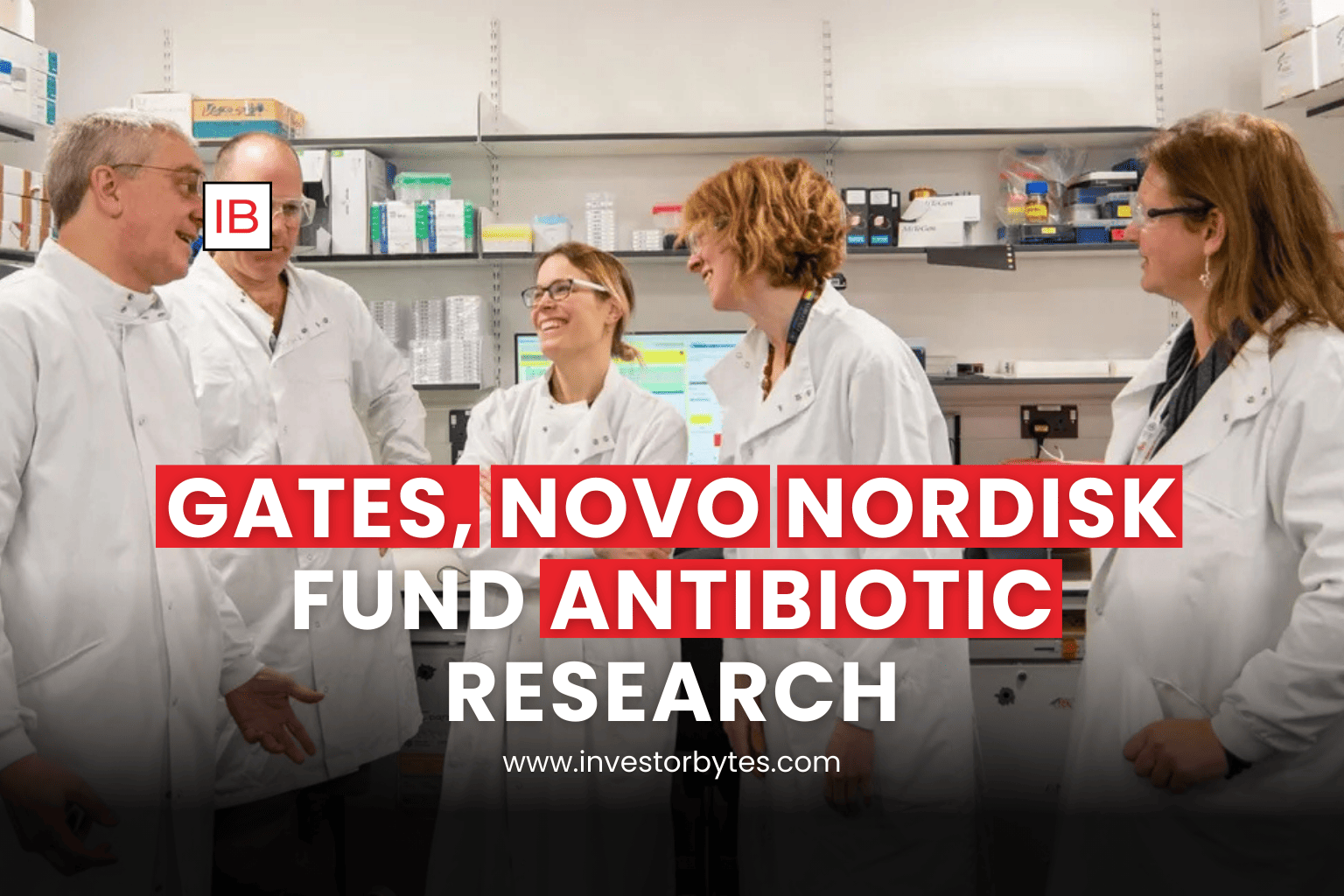
In a major collaborative effort to head off a global “silent pandemic,” the Bill & Melinda Gates Foundation, the Novo Nordisk Foundation, and Wellcome officially awarded $60 million in grant funding on January 22, 2026. This investment, distributed over the next three years, is the first major action of the Gram-Negative Antibiotic Discovery Innovator (Gr-ADI) consortium, a partnership specifically designed to jumpstart the stalled pipeline of new treatments for drug-resistant bacteria.
Philanthropy Fills the “Antibiotic Gap”
The funding targets Antimicrobial Resistance (AMR), which is now the third-leading cause of death globally. Because developing new antibiotics is notoriously expensive and often offers a poor return on investment compared to chronic disease medications, many major pharmaceutical companies have abandoned the field.
This new $60 million initiative uses a “push” incentive model to fund the high-risk, early-stage research that private industry has neglected.
Primary Target: The consortium is focusing specifically on Gram-negative pathogens, which are notoriously difficult to treat because of a “double-layered” cell wall that effectively pumps out traditional drugs.
Lead Pathogen: Projects are required to focus on Klebsiella pneumoniae, a common cause of hospital-acquired infections like pneumonia and sepsis, which has shown a terrifying ability to develop resistance to “last-resort” carbapenem antibiotics.
Innovative Tech: Funded projects include the use of AI-enabled peptidomimetics, mass spectrometry-based accumulation assays, and marine-inspired natural products to find chemical scaffolds that can bypass bacterial defenses.
Global Research, Local Impact
The $60 million has been awarded to international research teams across the globe, including groups at the University of Oxford, Liverpool, and the VIB-KU Leuven Center in Belgium. By requiring these teams to share data and knowledge through a central “cooperation principle,” the consortium aims to create a “ready-to-use” pipeline for the next generation of small-molecule antibiotics.
“AMR is a global crisis that requires a global, collaborative response,” said Mads Krogsgaard Thomsen, CEO of the Novo Nordisk Foundation. “By pooling our resources, we can support the kind of long-range vision needed to ensure that novel drugs are discovered before we lose the tools to treat even common infections.”