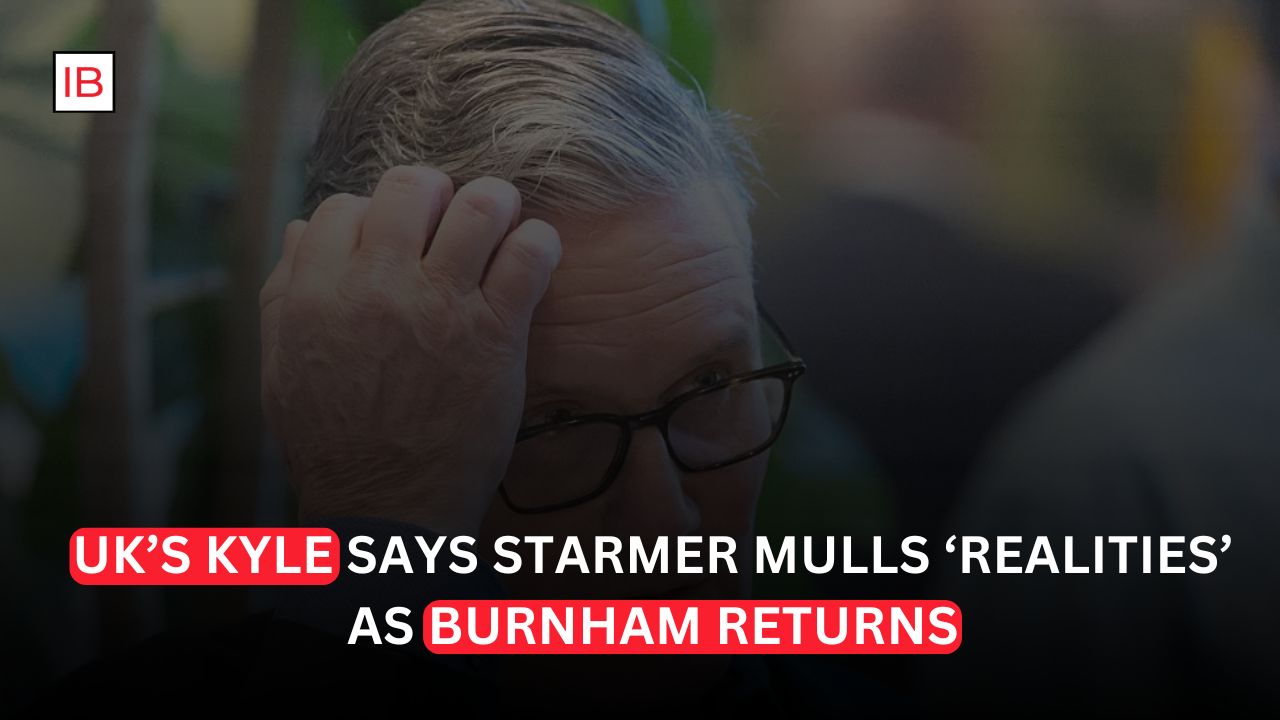
By-Election Result Sparks Discussion Over Labour’s Future Direction. A senior UK government minister has said Prime Minister Keir Starmer must continue focusing on the practical realities facing voters following Andy Burnham’s high-profile political comeback in a recent by-election.
The result has intensified debate within British politics over Labour’s future direction, with Burnham’s return being viewed by many observers as a sign that voters are seeking stronger action on economic and social issues.
Burnham’s Return Draws National Attention
Andy Burnham’s victory has quickly become one of the most talked-about developments in UK politics.
Supporters have described the result as evidence that voters remain concerned about living costs, public services and regional economic development. Burnham has built much of his political reputation around advocating for local communities and greater investment outside London.
Political analysts say the outcome could increase pressure on Labour’s leadership as it seeks to balance national priorities with local concerns.
Government Emphasizes Practical Challenges
Responding to the result, a government minister said Prime Minister Keir Starmer remains focused on addressing the real-world challenges facing the country.
The minister argued that while individual election results attract attention, the government’s primary responsibility is dealing with issues such as economic growth, public finances and improving living standards.
Officials stressed that policy decisions must be based on long-term realities rather than short-term political reactions.
Labour Faces Internal Questions
Burnham’s success has renewed discussion about the direction of the Labour Party and how it should respond to changing voter expectations.
Some party members believe the result highlights the importance of addressing regional inequality and investing more heavily in public services. Others argue that Labour must continue presenting itself as a responsible governing party focused on economic stability.
The debate reflects broader questions about how political parties can appeal to voters facing rising costs and economic uncertainty.
Economic Concerns Remain Central
The by-election result comes at a time when economic issues continue to dominate public debate across the United Kingdom.
Voters remain concerned about inflation, housing affordability, healthcare services and wage growth. Political leaders from all major parties are under pressure to present solutions that address these challenges while maintaining fiscal discipline.
Analysts note that election outcomes are increasingly being shaped by economic concerns rather than traditional party loyalties.
Impact on Future Elections
Although a single by-election does not determine future national results, the outcome could influence campaign strategies ahead of upcoming elections.
Both Labour and its political rivals are expected to closely examine the factors behind Burnham’s success as they prepare for future contests. The result may also encourage greater focus on regional issues and local economic development.
Political Landscape Continues to Evolve
For now, Burnham’s return has added a new dimension to Britain’s political landscape and reignited discussions about the priorities of both government and opposition parties.
As political leaders assess the implications of the result, attention is likely to remain focused on how parties respond to voter concerns and whether the outcome signals a broader shift in public sentiment across the country.