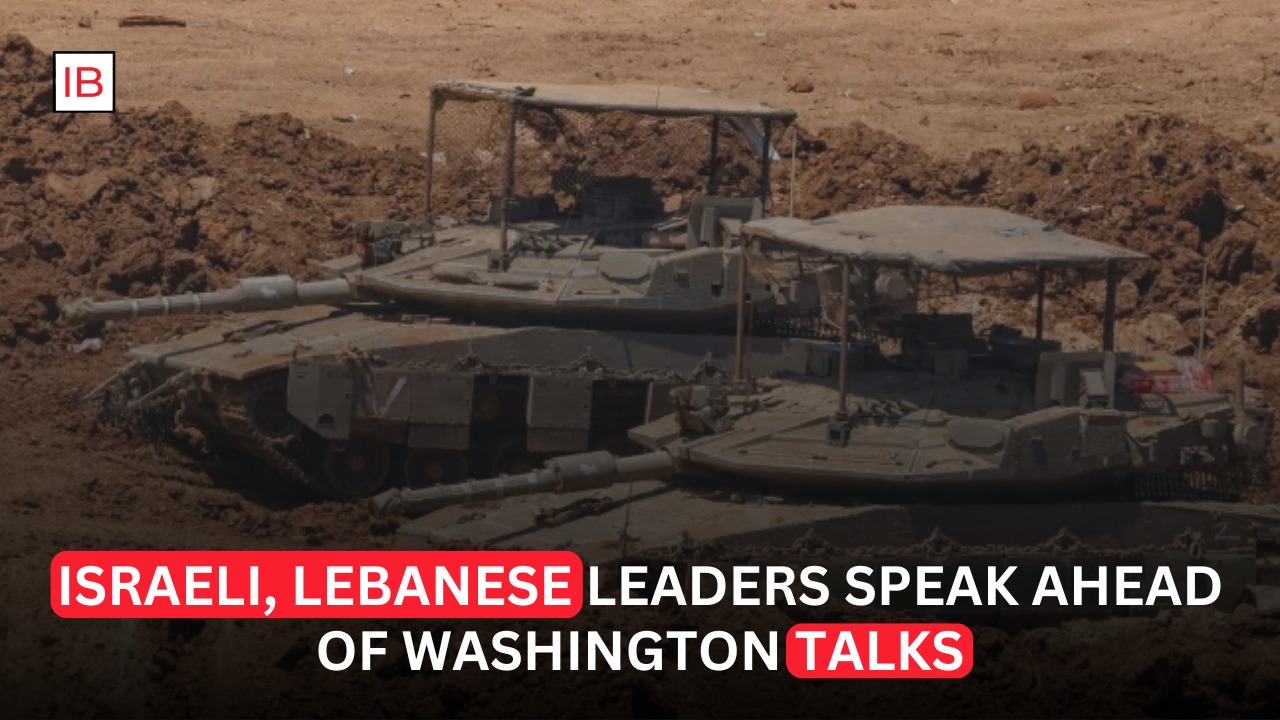
Officials Focus on Security, Israeli Withdrawal and Hezbollah’s Future Ahead of US-Mediated Negotiations. Israeli and Lebanese officials are preparing for a new round of talks in Washington aimed at reducing tensions and moving toward a longer-term agreement, but major disagreements remain between the two sides.
The discussions come after months of fighting linked to the wider regional conflict, with the United States pushing for a diplomatic solution that could stabilize the Lebanon-Israel border and prevent renewed escalation.
Lebanon Seeks Israeli Withdrawal Timeline
Lebanese officials are expected to prioritize the issue of Israeli military forces remaining in southern Lebanon.
Beirut has pushed for a clear timetable for withdrawal, arguing that restoring full Lebanese sovereignty over its territory is essential for any lasting agreement. Lebanese leaders have also emphasized the need for strengthening state control in the south.
Israel Demands Hezbollah Disarmament
Israel is expected to focus on security guarantees and the future of Hezbollah’s military capabilities.
Israeli officials have argued that any lasting peace arrangement must prevent Hezbollah from rebuilding its military presence near Israel’s northern border. Prime Minister Benjamin Netanyahu has said Israel needs freedom to respond to security threats.
US Pushes for Regional Stability
Washington is attempting to use the talks as part of a broader effort to reduce tensions across the Middle East.
The negotiations follow a wider US-Iran diplomatic process that includes commitments to reduce fighting on multiple fronts, including Lebanon. However, the situation remains complicated as disagreements between Israel, Lebanon and Hezbollah continue.
Ceasefire Faces New Challenges
Although a ceasefire has reduced some fighting, tensions remain high.
Previous agreements have struggled to hold, with both sides accusing each other of violations. Recent clashes and military operations have increased concerns that renewed violence could threaten diplomatic progress.
Lebanese officials have warned that continued Israeli operations could damage efforts to achieve a broader settlement, while Israel maintains that its actions are focused on preventing attacks from Hezbollah.
Hezbollah Remains Major Issue
The role of Hezbollah remains one of the biggest obstacles in negotiations.
Israel wants guarantees that the group cannot operate militarily near the border, while Hezbollah has opposed efforts that would limit its weapons or influence. The Lebanese government faces pressure to strengthen its authority while managing internal political challenges.
Diplomatic Outcome Still Uncertain
Despite international efforts, major differences remain between the two sides.
Analysts say the Washington talks could create a path toward reducing tensions, but reaching a full agreement will require compromises on difficult issues including security arrangements, military presence and Hezbollah’s future role.
Talks Could Shape Lebanon’s Future
The upcoming negotiations represent a critical moment for both Israel and Lebanon.
A successful agreement could bring greater stability to the border region and support wider Middle East diplomacy. However, failure could risk a return to conflict and further instability across the region.
For now, officials on both sides are preparing for difficult discussions, with the United States attempting to bridge deep differences between the two countries.