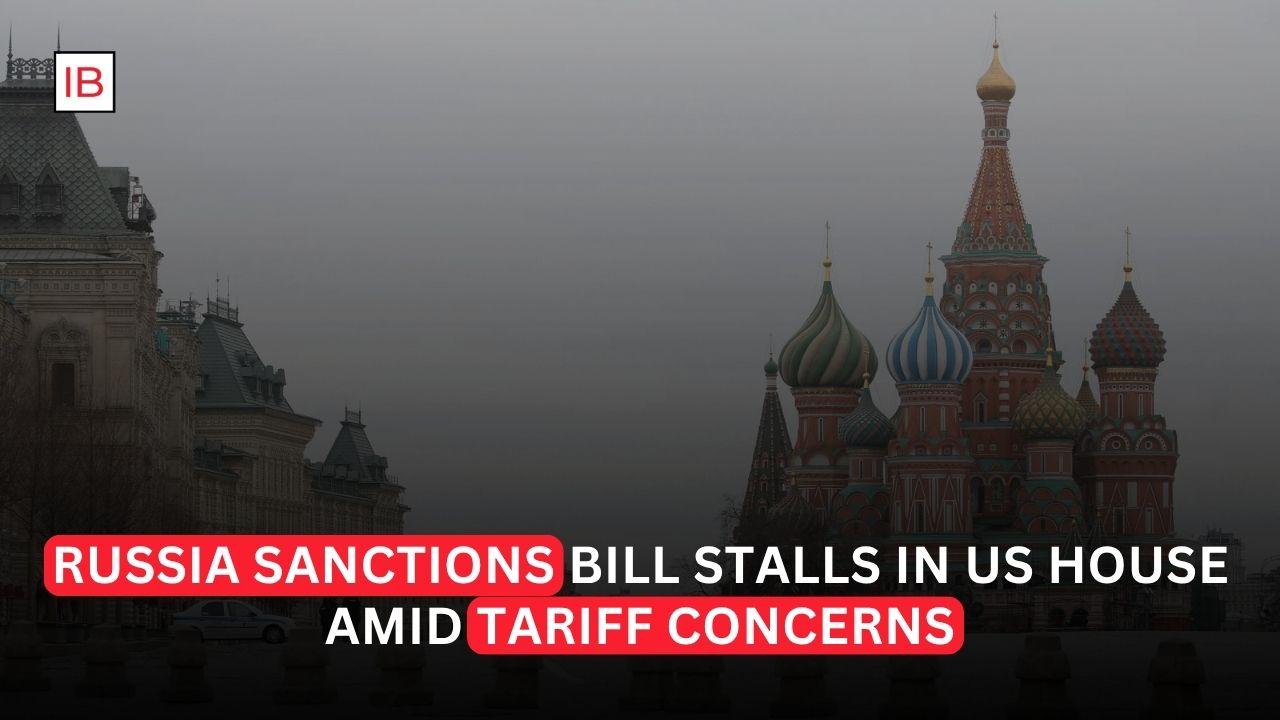
Ukraine Pushes for Action as Lawmakers Question Broad New Trade Authority. A major US sanctions bill targeting Russia has run into growing resistance in the House of Representatives, despite winning overwhelming bipartisan support in the Senate.
The legislation is designed to increase economic pressure on Moscow and countries that continue to buy Russian energy. However, concerns over the bill’s tariff provisions and the amount of authority it could give President Donald Trump have delayed progress in the House.
Senate Passed Bill With Strong Support
The Senate approved the sanctions legislation by an 86-11 vote last month, demonstrating broad support for stronger action against Russia over its war in Ukraine.
The bill, known as the Lindsey O. Graham Sanctioning Russia and Iran Act of 2026, would expand sanctions against Russian officials and introduce powerful new economic measures targeting countries that continue to support Russia’s energy trade.
Supporters believe the legislation could put greater pressure on Moscow by targeting one of its most important sources of revenue: energy exports.
Tariff Powers Raise Concerns
The biggest obstacle to the bill in the House is its proposed tariff authority.
Under the legislation, the president could impose tariffs of up to 100% on major countries importing Russian oil and gas, as well as countries accused of helping Russia evade existing sanctions. The provisions could potentially affect major economies with significant trade relationships with the United States.
Some House Democrats have expressed concern that the legislation would give Trump too much discretion over tariffs and sanctions. Lawmakers also fear the authority could be used in ways that go beyond the original purpose of increasing pressure on Russia.
Ukraine Steps Up Pressure in Washington
Ukraine has sent its top sanctions official, Vladyslav Vlasiuk, to Washington to encourage House lawmakers to move forward with the bill.
Kyiv sees the legislation as an important signal of continued US support at a time when Russia’s energy revenues remain critical to funding its war effort. Ukrainian officials are particularly concerned that a prolonged delay could weaken political momentum behind tougher economic measures.
For Ukraine, the proposed sanctions would provide another tool to target Russia’s oil trade and networks used to bypass existing restrictions.
Bill Could Affect Major Energy Buyers
The legislation has raised concerns internationally because of the possibility of tariffs being imposed on countries that purchase large volumes of Russian energy.
Major importers of Russian oil and gas could face new economic pressure, potentially increasing tensions between Washington and some of its largest trading partners.
Business groups have also warned that broad tariff measures could disrupt trade and create new uncertainty for companies that rely on international supply chains.
House Vote Still Uncertain
Despite strong Senate backing, House leaders have not yet scheduled a vote on the legislation.
Democratic Leader Hakeem Jeffries has said lawmakers are still discussing the bill, while House Republicans have also been examining concerns surrounding its potential impact on trade policy and presidential authority.
The delay has created uncertainty over whether Congress can maintain the strong bipartisan momentum that helped push the bill through the Senate.
Pressure Builds on Congress
Supporters of the legislation argue that passing the bill would give Washington stronger leverage against Russia and demonstrate continued support for Ukraine.
Critics, however, believe the tariff provisions need closer scrutiny before Congress grants the White House such broad new powers.
For now, the Russia sanctions bill remains caught between bipartisan support for tougher action against Moscow and growing concerns in the House over the potential consequences of expanding presidential tariff authority. Ukraine and supporters of the legislation are continuing to press lawmakers for action, but the timing of a House vote remains uncertain.