Health Experts Fear Sharp Rise in Cases During Coming Months
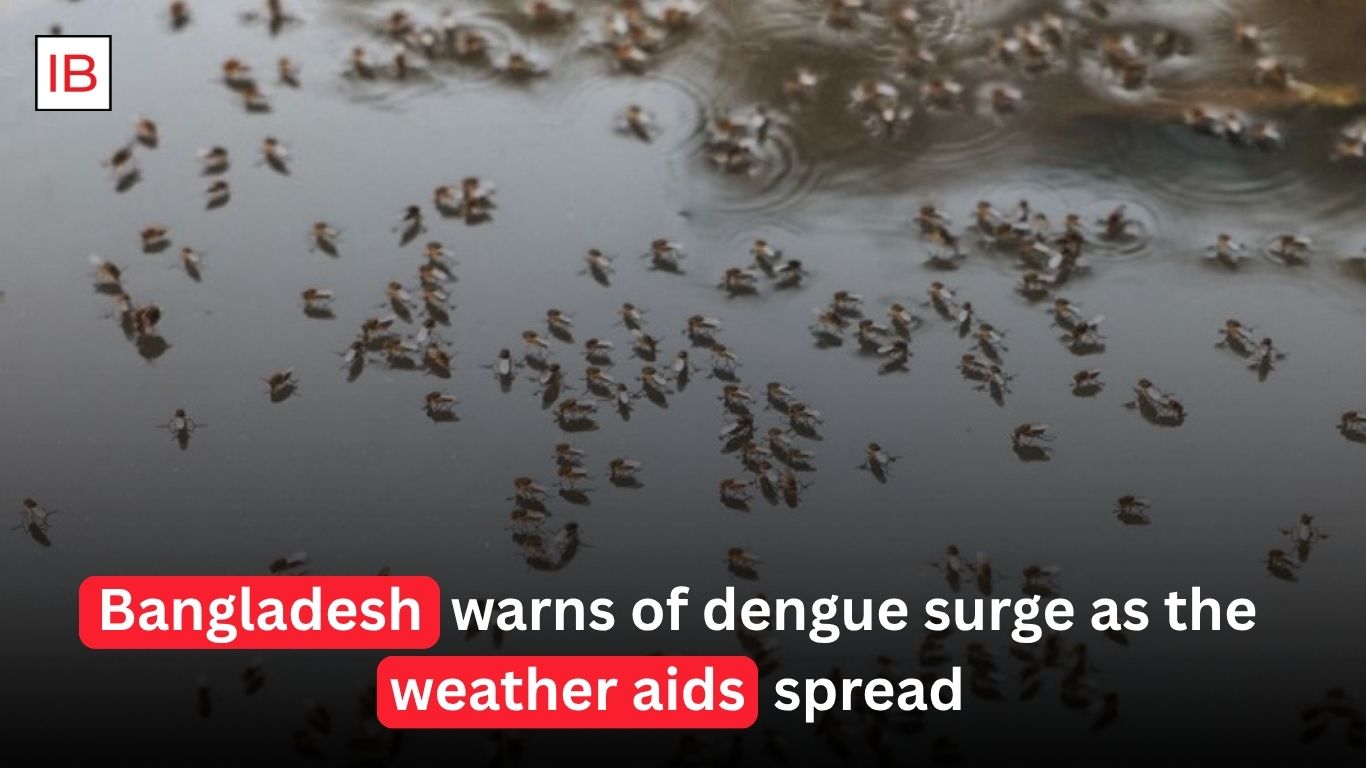
Bangladesh is facing the threat of a significant dengue outbreak as health officials and disease experts warn that favorable weather conditions are accelerating the spread of the mosquito-borne illness.
Rising temperatures, heavy rainfall, and high humidity have created ideal breeding conditions for mosquitoes, leading to a rapid increase in infections across the country. Health authorities are particularly concerned that the situation could worsen considerably over the next two months if stronger prevention measures are not implemented.
The warning comes as Bangladesh continues to recover from previous dengue outbreaks, including the country’s deadliest epidemic in 2023.
Dengue Cases Are Rising Rapidly
Recent health ministry data show a sharp increase in both dengue infections and fatalities.
Reported dengue cases climbed from 714 at the end of May to 5,924 by the end of June, while deaths increased from one to 18 during the same period. The rapid growth has raised concerns among public health experts who fear the country could be entering another severe outbreak season.
The speed of the increase suggests that mosquito populations are expanding quickly as weather conditions become more favorable for disease transmission.
Authorities are closely monitoring developments as hospitals prepare for a potential rise in patient numbers.
Weather Conditions Are Creating Ideal Breeding Grounds
Experts point to a combination of environmental factors behind the surge.
Heavy monsoon rainfall, warm temperatures, and persistent humidity create ideal conditions for Aedes mosquitoes, the primary carriers of dengue fever. Standing water left behind by rainstorms provides breeding sites where mosquito populations can multiply rapidly.
Climate-related changes have increasingly been linked to longer dengue seasons and more frequent outbreaks in tropical regions.
As weather patterns become more favorable for mosquito activity, disease-control efforts face growing challenges.
Experts Predict Worse Outbreaks Ahead
Public health specialists believe the current rise may only be the beginning.
Researchers estimate that dengue infections in Dhaka could at least double during July compared with June levels and potentially increase three to four times by August. Some experts warn that regions outside the capital could experience even faster growth in infections.
The expansion of dengue beyond major urban centers has become a growing concern in recent years.
Health officials are urging local governments to intensify mosquito-control measures before infection rates accelerate further.
Lessons From the Record 2023 Outbreak
Bangladesh has painful experience dealing with large-scale dengue epidemics.
In 2023, the country recorded more than 321,000 infections and 1,705 deaths, making it the deadliest dengue outbreak in its history. The crisis overwhelmed hospitals and highlighted weaknesses in disease surveillance and mosquito-control programs.
The outbreak also demonstrated how quickly dengue can spread when environmental conditions favor mosquito breeding.
Officials are hoping that earlier intervention can help prevent a repeat of that devastating year.
Mosquito Control Efforts Face Challenges
Experts say current mosquito-control measures may not be keeping pace with the growing threat.
Urban expansion, population density, inadequate drainage systems, and standing water in residential areas continue to create opportunities for mosquito breeding. Public health specialists have called for more coordinated efforts to eliminate breeding sites and improve monitoring systems.
Many specialists argue that prevention efforts should focus not only on spraying adult mosquitoes but also on identifying and destroying larvae before they mature.
Long-term planning is increasingly viewed as essential for reducing future outbreaks.
Healthcare System Under Additional Pressure
The dengue threat arrives at a difficult time for Bangladesh’s healthcare system.
The country is simultaneously dealing with a major measles outbreak that has infected tens of thousands of people and placed additional strain on hospitals and healthcare workers. Public health resources are being stretched as authorities attempt to manage multiple disease challenges at once.
A large dengue outbreak could further increase pressure on medical facilities, particularly in densely populated areas.
Healthcare experts stress the importance of early detection and treatment to reduce severe complications.
Why Dengue Is Becoming a Growing Global Concern
Dengue fever is no longer viewed as a seasonal or localized health problem.
The World Health Organization and public health experts have increasingly linked the global rise in dengue cases to climate change, urbanization, and changing weather patterns. Warmer temperatures and heavier rainfall can expand mosquito habitats and lengthen transmission seasons.
Many countries across Asia, Latin America, and Africa have experienced increasing dengue activity over the past decade.
This trend has made mosquito-borne diseases a growing public health priority worldwide.
Calls for an Early Warning System
Health experts are urging Bangladesh to adopt more proactive prevention strategies.
One recommendation is the creation of a nationwide early warning system capable of identifying mosquito breeding hotspots before outbreaks become widespread. Improved surveillance, faster data collection, and targeted interventions could help authorities respond more effectively to emerging risks.
Early detection systems have become an increasingly important tool in managing infectious disease outbreaks around the world.
Supporters believe such measures could significantly reduce the impact of future dengue seasons.
Looking Ahead
Bangladesh’s warning over a potential dengue surge highlights the growing challenges posed by mosquito-borne diseases in an era of changing climate conditions and rapid urbanization. With infections already rising sharply and experts forecasting a substantial increase in cases during the coming months, authorities face mounting pressure to strengthen prevention and control efforts.
While lessons from previous outbreaks provide valuable experience, the success of the response will depend on swift action, improved surveillance, and effective mosquito-control programs. As the monsoon season continues, health officials, local governments, and communities will need to work together to reduce transmission risks and protect vulnerable populations.
The coming weeks may prove critical in determining whether Bangladesh can prevent another major dengue crisis or faces a repeat of the devastating outbreaks seen in recent years.