Europe Faces Another Intense Summer Heatwave
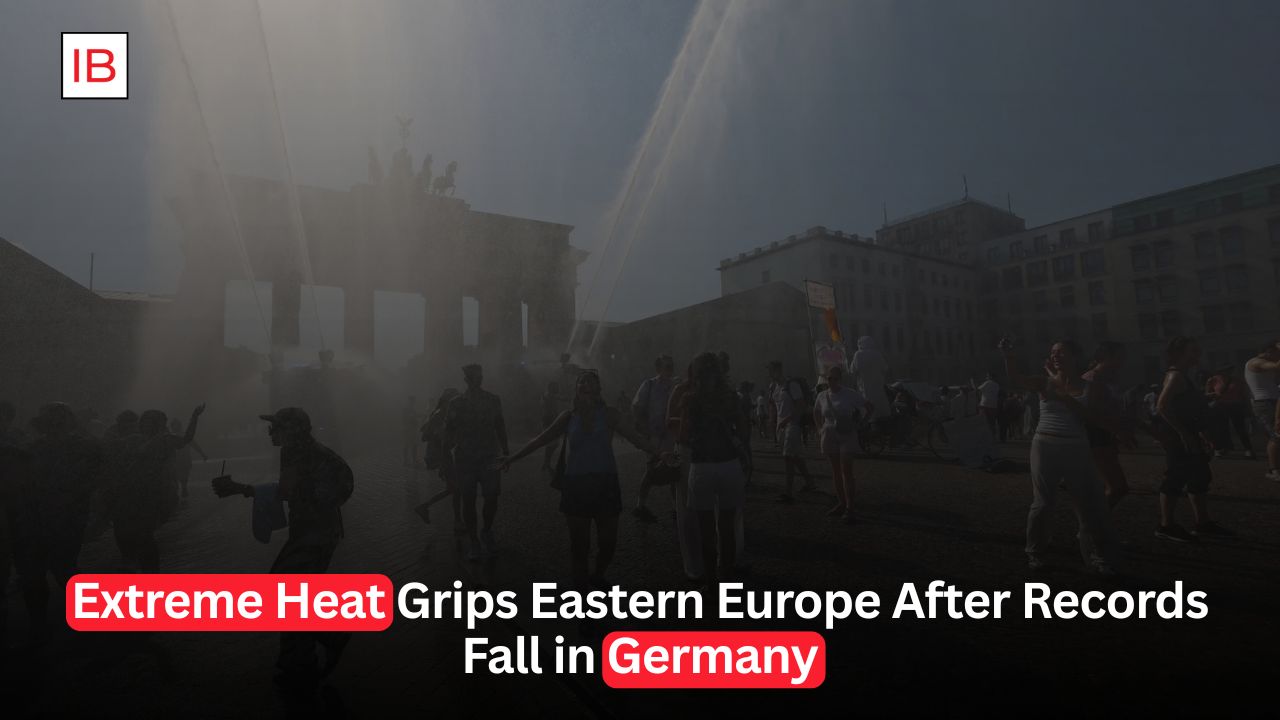
Large parts of Eastern Europe are experiencing a powerful heatwave, with temperatures climbing to dangerous levels and several regions issuing weather warnings as extreme heat spreads across the continent.
The latest surge in temperatures comes after Germany recorded unusually high readings for the time of year, adding to growing concerns about the increasing frequency and intensity of heatwaves across Europe. Meteorologists warn that the current weather pattern could bring prolonged periods of extreme heat, placing pressure on public health systems, energy infrastructure, and agricultural production.
As climate experts continue to study the relationship between rising global temperatures and extreme weather events, the latest heatwave serves as another reminder of Europe’s growing vulnerability to climate-related risks.
Germany Records Unusually High Temperatures
Germany has experienced exceptionally warm conditions, with some locations reporting temperatures that approached or exceeded previous records.
The heat has been driven by a persistent high-pressure system that has allowed hot air masses to move northward across Europe. Similar weather patterns have contributed to record-breaking temperatures in recent years, particularly during the summer months.
Authorities in several regions have urged residents to take precautions, stay hydrated, and avoid unnecessary outdoor activity during the hottest parts of the day.
Eastern Europe Feels the Impact
While Germany has seen some of the earliest temperature records fall, countries across Eastern Europe are now facing the most severe impacts of the heatwave.
Cities throughout the region have reported soaring daytime temperatures, with forecasts suggesting that the extreme conditions could continue for several days. Governments and local authorities are monitoring the situation closely, particularly in urban areas where heat can become trapped by buildings and infrastructure, creating dangerous “urban heat island” effects.
Health officials are especially concerned about vulnerable populations, including older adults, young children, and people with underlying medical conditions.
Why Heatwaves Are Becoming More Common
Scientists have repeatedly warned that climate change is increasing the likelihood of extreme heat events around the world.
As average global temperatures rise, heatwaves are becoming more frequent, lasting longer, and reaching higher temperatures than in previous decades. Europe has been identified as one of the fastest-warming continents, making the region particularly susceptible to prolonged periods of extreme heat.
Research suggests that weather events once considered rare are becoming increasingly common, forcing governments and communities to adapt to a changing climate.
Risks to Public Health
Extreme heat is one of the deadliest weather-related hazards globally.
High temperatures can lead to dehydration, heat exhaustion, heatstroke, and cardiovascular complications, particularly among vulnerable individuals. Hospitals and emergency services often experience increased demand during major heatwaves as health-related incidents rise.
Public health agencies across Europe have issued guidance encouraging residents to remain indoors during peak heat hours, drink plenty of water, and check on family members and neighbors who may be at greater risk.
Pressure on Energy and Infrastructure
Heatwaves can also place significant strain on infrastructure and energy systems.
As temperatures rise, demand for air conditioning and cooling increases sharply, causing electricity consumption to surge. In some cases, power grids can come under pressure as households and businesses attempt to cope with extreme conditions.
Transportation networks may also be affected. High temperatures can damage roads, stress railway systems, and reduce the efficiency of certain industrial operations.
Governments across Europe are increasingly investing in climate-resilient infrastructure designed to withstand more frequent extreme weather events.
Agriculture Faces New Challenges
Farmers across Eastern Europe are closely monitoring the heatwave due to concerns about crop yields and water availability.
Prolonged periods of high temperatures can stress crops, accelerate soil moisture loss, and increase the likelihood of drought conditions. Agricultural sectors in several European countries have already faced repeated weather-related challenges in recent years, including droughts, floods, and heatwaves.
If extreme temperatures persist, food production and commodity markets could experience additional pressure in the months ahead.
What This Means for Europe
The latest heatwave highlights the growing economic and social challenges associated with extreme weather.
Beyond immediate health risks, prolonged periods of heat can affect productivity, increase energy costs, disrupt transportation networks, and place greater demands on public services. Policymakers are increasingly being forced to balance short-term emergency responses with long-term climate adaptation strategies.
Many experts argue that future investments in urban planning, energy systems, water management, and public health infrastructure will be essential to reduce the impact of increasingly frequent heatwaves.
Looking Ahead
As Eastern Europe endures another period of extreme temperatures, attention is once again turning to the broader issue of climate resilience.
Scientists expect heatwaves to remain a recurring challenge in many parts of Europe as global temperatures continue to rise. While governments have improved forecasting systems and emergency response measures, the scale of the challenge continues to grow.
For millions of Europeans, the current heatwave is more than just a seasonal weather event—it is part of a larger trend that is reshaping how societies prepare for and respond to a warmer world.