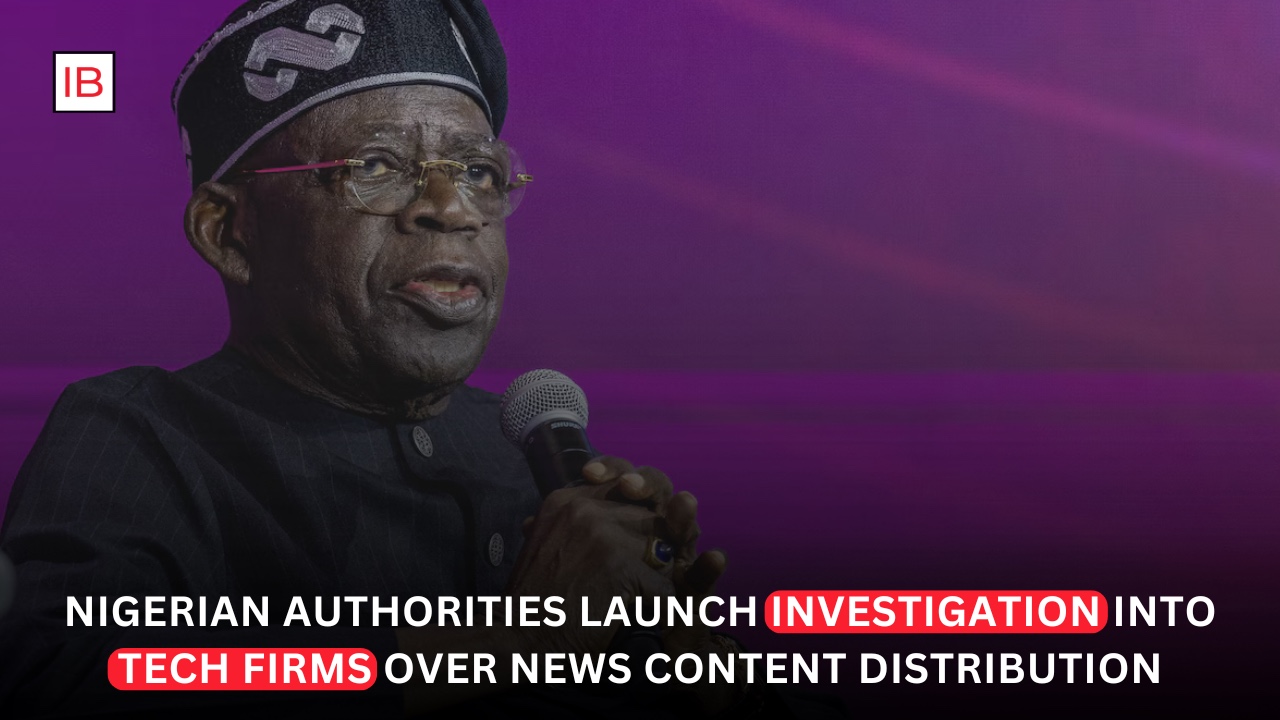
Meta, Google, X and AI Platforms Face Competition Review Over Media Content Practices
Nigeria’s competition regulator has launched an investigation into major technology companies over allegations that they engage in anti-competitive practices and use Nigerian news content without proper authorization or compensation.
The Federal Competition and Consumer Protection Commission (FCCPC) said the inquiry will examine complaints involving companies including Meta, Alphabet (Google), X, and generative artificial intelligence platforms operating in Nigeria.
Investigation Triggered by Media Industry Complaint
The investigation follows a petition from the Nigerian Press Organisation (NPO), which represents major parts of the country’s media industry, including:
- Newspaper owners
- Journalists’ organizations
- Broadcasters
- Online publishers
The media groups argue that global technology platforms have gained commercial value from Nigerian journalism while threatening traditional news businesses’ ability to generate revenue.
Key Issues Under Review
The FCCPC said the investigation will examine several areas, including:
- Possible market dominance by major technology platforms
- Alleged anti-competitive behavior
- Unauthorized extraction or commercial use of copyrighted news content
- Use of journalistic material to train generative AI systems
The regulator emphasized that the investigation does not assume wrongdoing and that affected companies will have the opportunity to provide information and defend their practices.
AI Training Becomes a Major Focus
A central issue in the investigation is the use of news articles and other media content in training artificial intelligence models.
Publishers worldwide have increasingly questioned whether AI companies should pay for access to journalism used to improve:
- Large language models
- Search tools
- AI-generated summaries
- Automated information services
The Nigerian case reflects a growing international debate over whether digital platforms should compensate publishers whose content helps power technology products.
Global Pushback Against Big Tech Platforms
Nigeria’s investigation follows similar regulatory actions in other countries.
Examples include:
- France, which fined Google over disputes with news publishers
- Australia and Canada, which introduced frameworks requiring technology companies to negotiate payments with news organizations
- South Africa, where regulators secured commitments from Google and YouTube related to media support
These efforts reflect growing government concern about the impact of digital platforms on the economics of journalism.
Challenge for Nigeria’s Digital Regulation
The probe could become an important test of Nigeria’s ability to regulate some of the world’s largest technology companies.
Platforms such as search engines, social networks, and AI services increasingly influence:
- How people discover news
- How publishers reach audiences
- How advertising revenue is distributed
- How information is processed and summarized
Nigeria’s regulators will need to balance protecting local media businesses with maintaining digital innovation and investment.
Tech Companies Yet to Respond
Meta, Alphabet, and X had not immediately issued public comments regarding the investigation.
The companies have previously argued that their platforms provide significant benefits to publishers by helping them reach wider audiences, while also maintaining that content-use policies vary across products and markets.
Looking Ahead
The FCCPC investigation could shape how Nigeria approaches the relationship between global technology platforms and local news organizations.
As AI increases demand for high-quality information, governments and publishers worldwide are seeking new rules around content ownership, compensation, and fair competition.
Nigeria’s review adds another front to the global debate over who benefits from digital information — and who should be paid when journalism becomes a foundation for new technology.