Shipping Industry Faces Uncertainty as Proposed Strait of Hormuz Charges Raise Global Trade Concerns
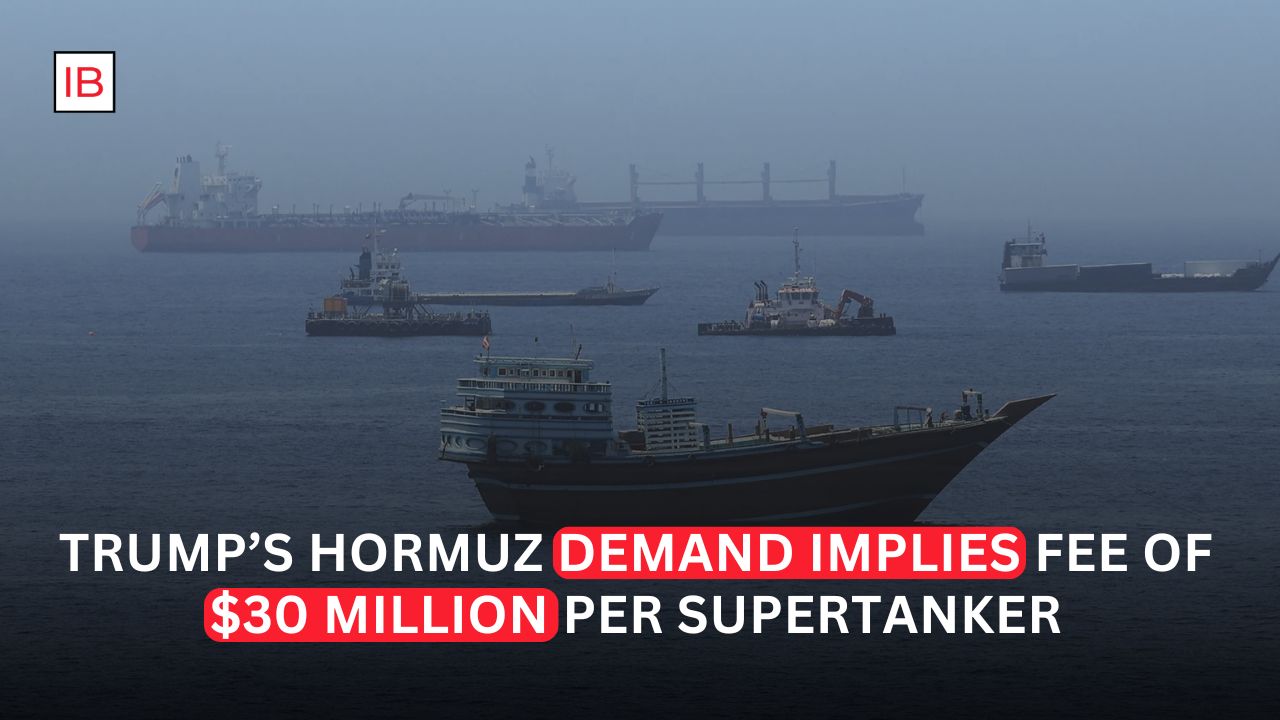
A proposal by U.S. President Donald Trump to impose a 20% transit fee on cargo passing through the Strait of Hormuz could cost some of the world’s largest oil supertankers around $30 million per voyage, dramatically increasing shipping costs across one of the world’s most important energy corridors. The proposal has sparked concern among energy markets, shipping companies, and global investors due to its potential impact on international trade and oil prices.
Proposed Fee Targets Global Shipping
Trump’s proposal would require commercial vessels using the Strait of Hormuz to pay a 20% charge on the value of their cargo in exchange for secure passage through the strategic waterway.
According to market estimates:
- Large oil supertankers could face fees of around $30 million per voyage.
- LNG carriers and other cargo ships would also incur substantial costs.
- Shipping expenses could rise significantly for companies transporting energy and commodities.
The proposal comes amid renewed tensions in the Middle East and ongoing concerns about maritime security.
Strait of Hormuz Remains Vital to Global Energy Trade
The Strait of Hormuz is one of the world’s most strategically important shipping routes.
Each day, the passage handles:
- Crude oil exports
- Liquefied natural gas (LNG)
- Refined petroleum products
- Bulk commodities
- International commercial shipping
A significant share of global energy supplies passes through the narrow waterway, making any disruption or additional costs highly consequential for world markets.
Energy Markets React
The proposed transit fee has added fresh uncertainty to global energy markets.
Investors are closely watching:
- Oil prices
- Shipping costs
- Marine insurance premiums
- Energy supply chains
- Global inflation risks
Analysts warn that higher transportation costs could eventually be reflected in fuel prices and broader consumer inflation if implemented.
Shipping Industry Faces Higher Costs
Shipping companies may need to reassess operating strategies if the proposal moves forward.
Potential impacts include:
- Increased freight rates
- Higher insurance costs
- Supply chain disruptions
- More expensive energy transportation
- Reduced profit margins for shipping operators
Industry participants are awaiting further details regarding how such a fee would be administered and enforced.
Legal and Diplomatic Questions Remain
The proposal has also raised questions about its legal framework under international maritime law.
Experts are seeking clarification on:
- Enforcement mechanisms
- International legal authority
- Coordination with Gulf allies
- Payment collection procedures
- Potential responses from regional governments
So far, few operational details have been released regarding the implementation of the proposed fee.
Global Trade Could Feel the Impact
Because the Strait of Hormuz serves as a critical gateway for international commerce, any sustained increase in transit costs could affect industries well beyond the energy sector.
Businesses dependent on global shipping may experience:
- Higher transportation expenses
- Rising import costs
- Increased commodity prices
- Supply chain delays
- Greater market volatility
Investors are monitoring developments closely as governments and shipping companies evaluate the proposal’s potential consequences.
Looking Ahead
Donald Trump’s proposal to impose a 20% transit fee through the Strait of Hormuz has introduced a new source of uncertainty for global shipping and energy markets. With estimates suggesting that some supertankers could pay as much as $30 million per voyage, the plan could significantly reshape transportation costs along one of the world’s busiest energy routes.
Whether the proposal advances will depend on legal, diplomatic, and geopolitical developments, but for now, markets remain focused on its potential implications for global trade, oil prices, and international shipping.