Strategic Waterways Generate Billions While Hormuz Remains an Exception
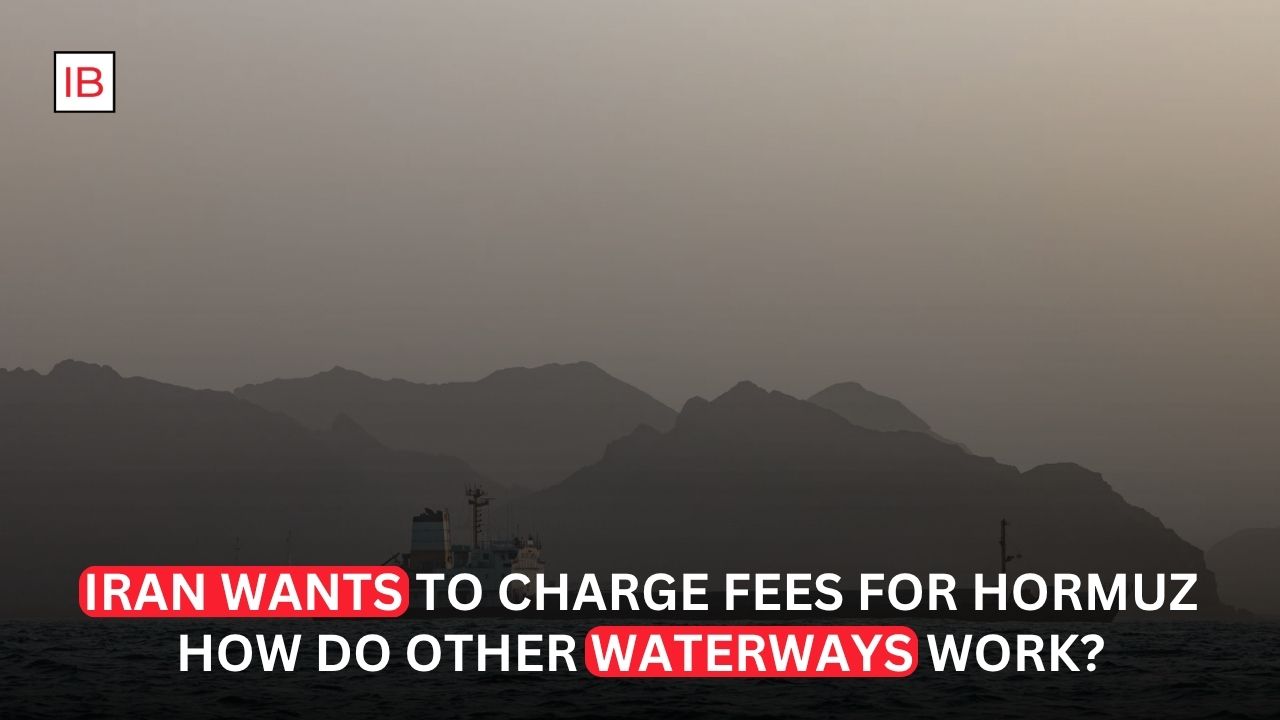
The recent tensions surrounding the Strait of Hormuz have renewed global attention on one important question: Who charges ships to pass through the world’s busiest waterways?
Unlike major canals such as the Suez Canal and the Panama Canal, the Strait of Hormuz does not charge transit fees, despite handling nearly one-fifth of the world’s oil shipments. As geopolitical risks increase, the distinction between Hormuz and other global trade routes has become increasingly significant for shipping companies and energy markets.
Why Ships Pay for Some Waterways but Not Others
Many of the world’s most important maritime routes generate substantial revenue through transit tolls.
Examples include:
- Suez Canal (Egypt) – Charges vessels based on size, cargo, and route
- Panama Canal (Panama) – Uses a pricing system based on ship type, cargo, and water availability
- Kiel Canal (Germany) – Applies fees according to vessel dimensions
- St. Lawrence Seaway (Canada–United States) – Collects tolls for commercial navigation
These waterways are artificial canals or managed infrastructure that require continuous maintenance and operation, making toll collection a primary source of funding.
Strait of Hormuz Operates Differently
The Strait of Hormuz is a natural international waterway, not a man-made canal.
Under international maritime law:
- Ships have the right of transit passage
- Coastal states cannot impose standard transit tolls on international navigation
- Commercial vessels move through without paying passage fees
Instead of collecting tolls, countries bordering the strait primarily earn revenue from:
- Oil exports
- Port services
- Maritime logistics
- Energy infrastructure
Why Hormuz Matters So Much
Although ships pay nothing to pass through Hormuz, the waterway remains one of the world’s most strategically important trade routes.
It connects the Persian Gulf to the Arabian Sea and serves as the primary export route for major energy producers.
Each day, millions of barrels of crude oil and liquefied natural gas pass through the narrow channel, making any disruption a global economic concern.
Security Costs Continue to Rise
Even without transit fees, shipping through high-risk regions can become expensive.
During periods of geopolitical tension, vessel operators often face higher costs through:
- War-risk insurance premiums
- Additional security measures
- Longer shipping routes
- Delayed deliveries
These expenses can significantly increase transportation costs despite the absence of official tolls.
Suez Canal Remains One of the World’s Biggest Revenue Sources
The Suez Canal continues to be among the most profitable waterways globally.
Its toll system generates billions of dollars annually for Egypt and provides one of the country’s largest sources of foreign currency earnings.
Transit charges vary depending on:
- Ship size
- Cargo type
- Direction of travel
- Current canal pricing policies
The canal offers shipping companies a much shorter route between Europe and Asia than sailing around Africa.
Panama Canal Uses Dynamic Pricing
The Panama Canal also operates one of the world’s most sophisticated pricing systems.
Fees depend on factors such as:
- Vessel dimensions
- Cargo capacity
- Reservation timing
- Water availability
Recent drought conditions have demonstrated how climate events can influence canal operations and pricing, making water management an increasingly important factor in global shipping.
Geopolitics Can Be More Expensive Than Tolls
Industry experts note that political instability often creates greater financial risks than official transit fees.
A conflict affecting a strategic waterway can result in:
- Higher fuel costs
- Shipping delays
- Increased insurance expenses
- Supply chain disruptions
- Rising commodity prices
As a result, markets closely monitor developments around key maritime chokepoints even when no tolls are involved.
Looking Ahead
The contrast between the Strait of Hormuz and the world’s major canals highlights two very different models of global maritime trade.
While canals generate substantial income through transit charges, Hormuz’s economic importance comes from the enormous volume of energy flowing through it rather than the collection of tolls.
As geopolitical tensions continue to influence shipping routes, businesses and governments will remain focused not only on the cost of using these waterways, but also on the risks that can dramatically reshape global trade and energy markets.