New Coalition Aims to Strengthen Ukraine’s Defenses Against Escalating Russian Missile Attacks
Western allies have pledged to increase air defense support for Ukraine as Russia intensifies its missile and drone attacks, prompting a renewed international effort to strengthen Kyiv’s defensive capabilities.
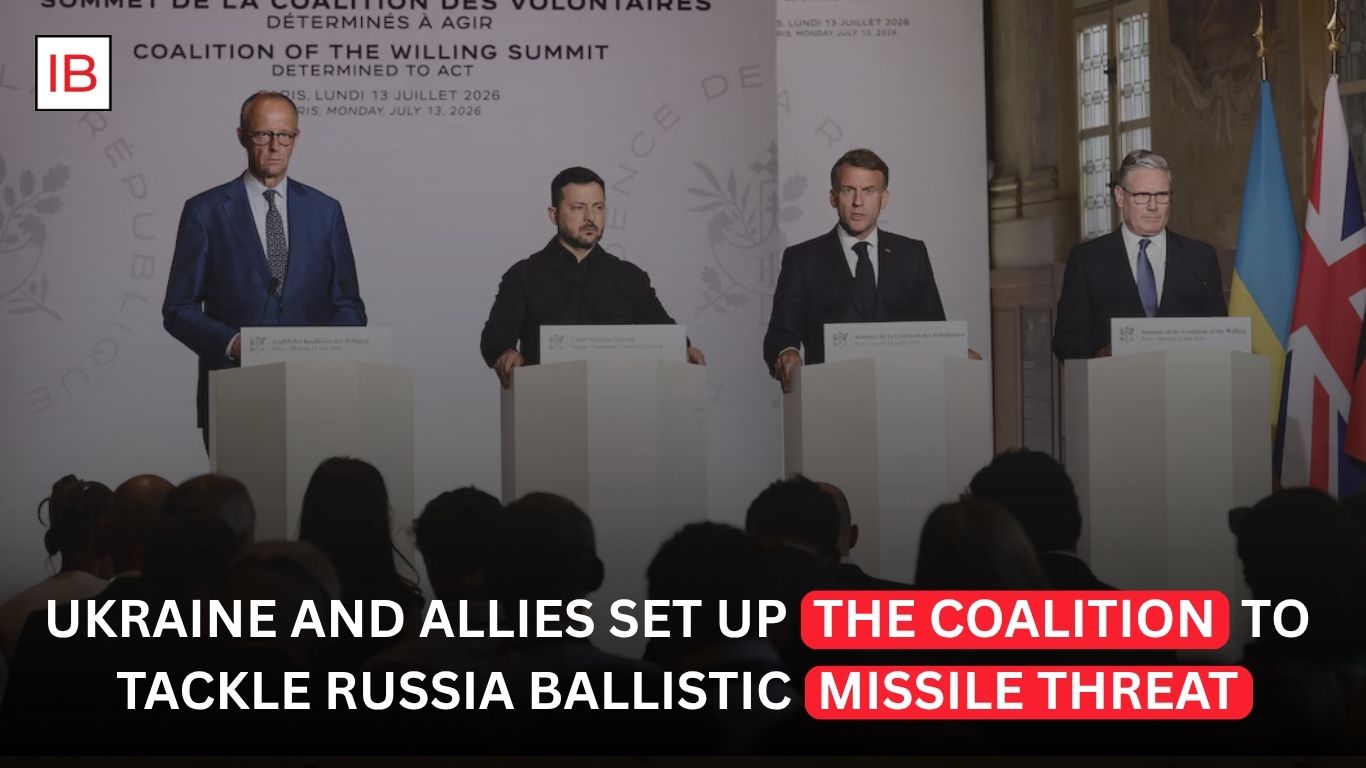
During a meeting in Paris, Ukraine and ten allied nations launched the Integrated Anti-Ballistic Missile Coalition, an initiative focused on developing more affordable and effective air defense systems while securing additional military assistance for Ukraine.
New Air Defense Coalition Takes Shape
The coalition was created to address Ukraine’s growing shortage of missile interceptors and improve protection against Russian ballistic missile attacks.
Key objectives include:
- Expanding air defense capabilities
- Increasing interceptor missile supplies
- Developing lower-cost defense systems
- Strengthening military cooperation
- Supporting Ukraine’s long-term security
The initiative reflects growing concern among European allies over the evolving battlefield situation.
Freyja Project to Develop New Defense System
At the center of the coalition is the Freyja Project, a European effort to build a modular air defense system that could provide a more affordable alternative to the U.S.-made Patriot missile system.
The project involves leading European defense companies and aims to:
- Counter ballistic missile threats
- Improve rapid deployment capabilities
- Reduce air defense costs
- Enhance European defense cooperation
- Strengthen Ukraine’s protection against missile attacks
Officials believe the first operational systems could be available within the next year.
France Expands Military Support
France announced additional measures to strengthen Ukraine’s defense capabilities.
The new commitments include:
- Allowing Ukraine to produce French interceptor missiles
- Supporting domestic production of precision-guided munitions
- Future delivery of 16 Rafale fighter jets
- Continued cooperation on advanced air defense systems
These steps are intended to help Ukraine build greater long-term military self-sufficiency.
Ukraine Seeks More Patriot Systems
Ukrainian President Volodymyr Zelenskyy continues urging allies to provide additional Patriot missile systems and interceptor missiles to defend cities and critical infrastructure.
Military leaders say stronger air defenses are essential for:
- Protecting civilian populations
- Defending energy infrastructure
- Countering ballistic missile attacks
- Preserving military capabilities
- Reducing damage from drone strikes
Air defense remains one of Ukraine’s highest military priorities.
European Cooperation Deepens
The Paris meeting also highlighted broader defense cooperation among Ukraine’s partners.
Areas of collaboration include:
- Joint military exercises
- Weapons procurement
- Defense technology development
- Training programs
- Long-term security planning
European nations continue expanding their role in supporting Ukraine as the conflict enters another challenging phase.
Battlefield Conditions Continue to Evolve
The renewed focus on air defense comes as Russia increases the use of ballistic missiles and drones against Ukrainian targets.
Military analysts believe improved defensive capabilities could:
- Reduce civilian casualties
- Protect strategic infrastructure
- Improve battlefield resilience
- Strengthen Ukraine’s negotiating position
- Support long-term national security
Officials stress that maintaining effective air defenses is becoming increasingly important as the conflict evolves.
Looking Ahead
The launch of the Integrated Anti-Ballistic Missile Coalition marks a significant step in Western efforts to reinforce Ukraine’s air defenses as Russian missile attacks continue. With new commitments from European allies, expanded weapons cooperation, and plans to develop next-generation defense systems, Ukraine aims to strengthen its ability to protect its territory and population.
As the conflict continues, sustained international military support is expected to remain a key factor in Ukraine’s defense strategy and the broader security landscape in Europe.