Majority of Americans Believe Tensions With Iran Will Continue Despite Ceasefire Efforts
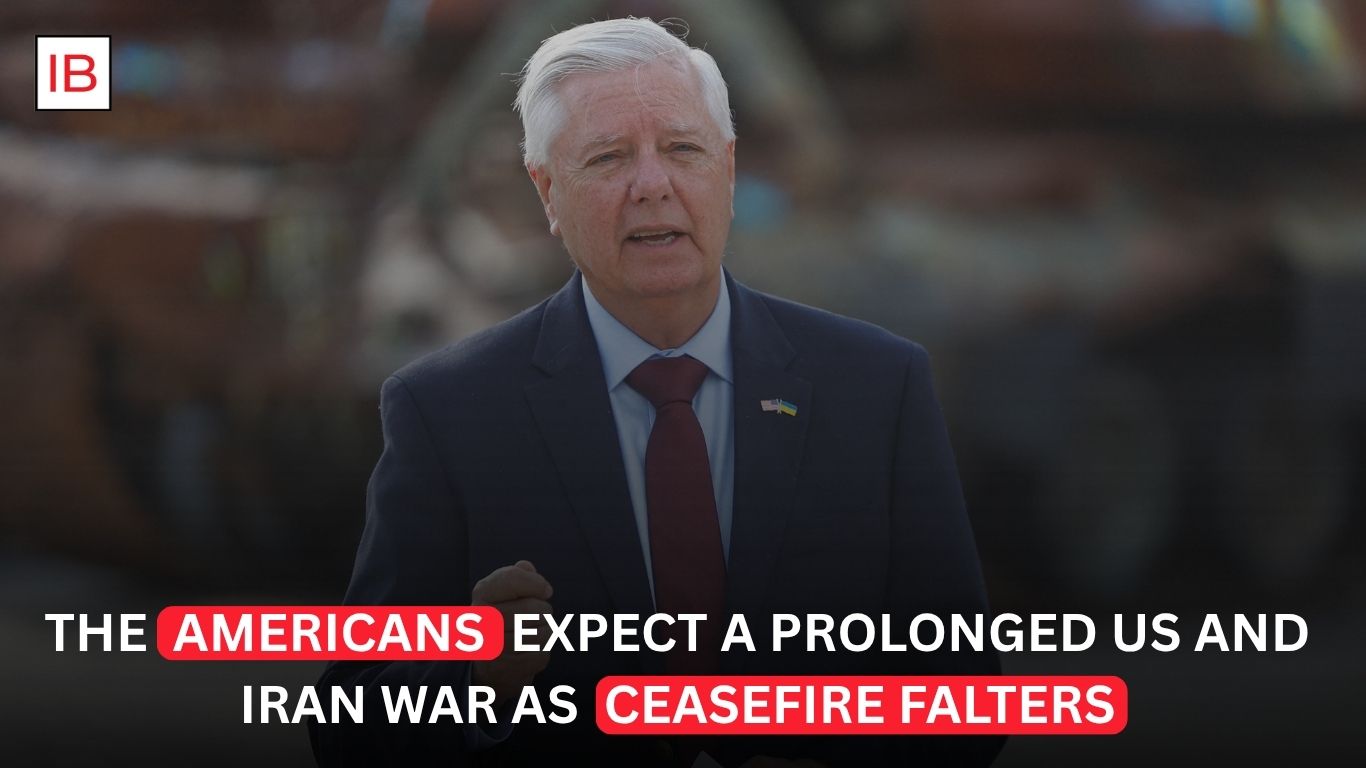
A new Reuters/Ipsos poll has found that many Americans expect the conflict between the United States and Iran to continue for an extended period, reflecting growing public concern as ceasefire efforts struggle to hold.
The survey indicates that while Americans remain worried about escalating violence in the Middle East, many believe the current truce is unlikely to produce a lasting peace and expect further military and diplomatic tensions in the months ahead.
Public Expects Long-Term Conflict
According to the Reuters/Ipsos poll, a majority of respondents believe the confrontation between the United States and Iran is unlikely to end quickly.
The survey found that many Americans expect:
- A prolonged military standoff
- Continued regional instability
- Additional diplomatic tensions
- Ongoing security concerns
- Lasting geopolitical uncertainty
The findings highlight growing skepticism about the durability of current ceasefire efforts.
Ceasefire Remains Fragile
Although diplomatic efforts have reduced some immediate hostilities, recent developments have raised doubts about the ceasefire’s long-term effectiveness.
Analysts continue monitoring:
- Military activity
- Diplomatic negotiations
- Regional security developments
- Political statements
- Cross-border incidents
Any renewed escalation could quickly undermine ongoing peace efforts.
Americans Concerned About Wider Impact
The poll also reflects concerns over how prolonged tensions could affect both the United States and the global economy.
Respondents identified several key worries, including:
- Higher energy prices
- Increased military involvement
- National security risks
- Economic uncertainty
- Greater regional instability
The Middle East remains a critical region for global energy supplies and international trade, making any escalation closely watched by governments and financial markets.
Political Divisions Persist
The survey found differences in public opinion across political groups regarding the U.S. response to Iran.
While views varied, many respondents agreed on the importance of:
- Preventing further escalation
- Protecting American interests
- Maintaining regional stability
- Pursuing diplomatic solutions
- Avoiding a broader regional conflict
The results suggest that concerns about the conflict extend across the political spectrum.
Markets Continue Watching Developments
Financial markets remain sensitive to developments involving the United States and Iran.
Investors are closely following:
- Oil prices
- Global energy supplies
- Defense sector performance
- Currency markets
- Geopolitical risk
Any significant deterioration in relations could influence commodity prices and broader investor sentiment.
Diplomacy Still Viewed as Essential
Despite expectations of prolonged tensions, many policymakers continue advocating diplomatic engagement to reduce the risk of further conflict.
International efforts remain focused on:
- Preserving the ceasefire
- Preventing regional escalation
- Protecting civilian populations
- Maintaining maritime security
- Encouraging dialogue between the parties
Diplomatic negotiations are expected to remain central to efforts aimed at reducing instability in the region.
Looking Ahead
The latest Reuters/Ipsos poll suggests that many Americans expect tensions between the United States and Iran to persist despite ongoing ceasefire efforts. As diplomatic negotiations continue and regional security remains fragile, governments, businesses, and financial markets will closely monitor developments for signs of either renewed escalation or lasting stability.
While hopes for a durable peace remain, public sentiment indicates that many Americans believe the conflict could remain a defining geopolitical challenge for the foreseeable future.