Attack Raises Fears of Wider Middle East War as US-Iran Tensions Continue to Intensify
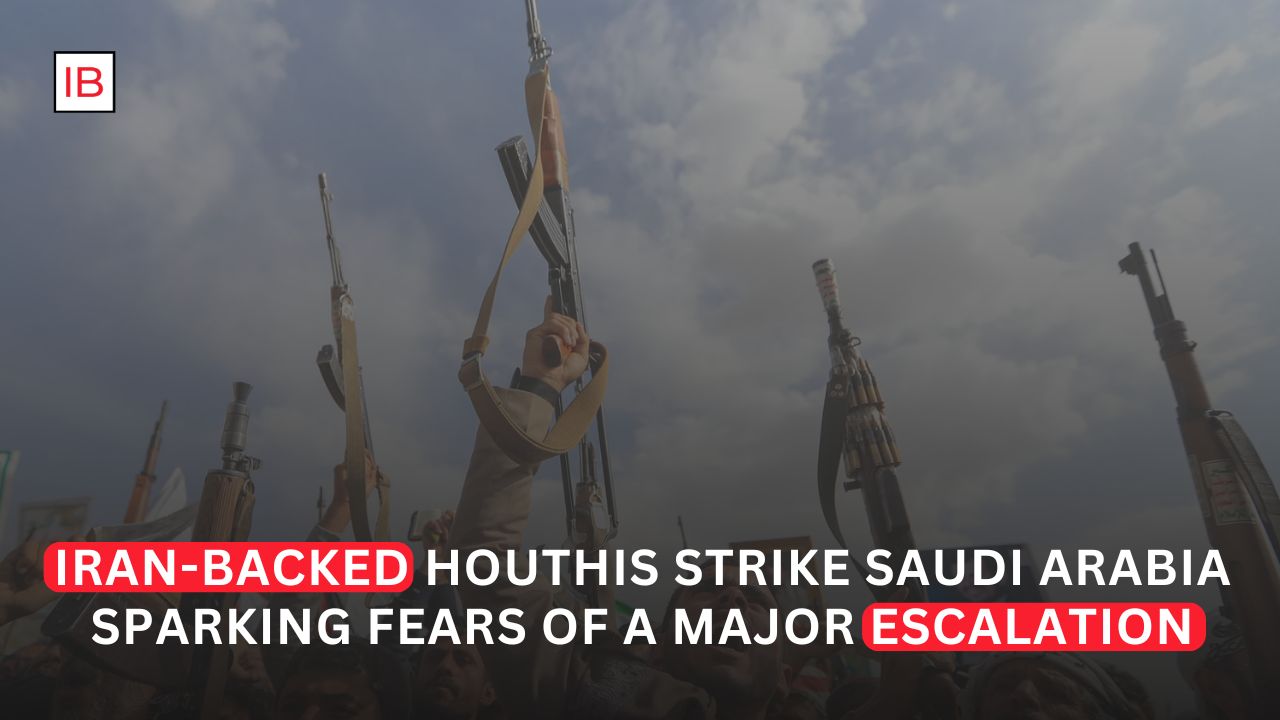
Iran-backed Houthi forces have launched a major attack on Saudi Arabia, marking a significant escalation in the rapidly expanding Middle East conflict. The strike comes as hostilities between the United States and Iran continue to intensify, increasing concerns that the confrontation could spread across the region.
The latest attack has heightened security concerns for Gulf nations and raised fresh questions about the stability of global energy markets. (Bloomberg)
Houthis Open a New Front
The attack represents one of the most significant Houthi operations against Saudi Arabia in recent months.
According to reports, the strike targeted:
- Strategic infrastructure
- Military facilities
- Security installations
- Critical assets
- Areas within Saudi territory
The assault signals an expansion of regional tensions beyond the direct confrontation between the United States and Iran.
Regional Conflict Continues to Expand
The Houthi attack adds another layer to an increasingly complex Middle East conflict.
Current flashpoints include:
- US-Iran military exchanges
- Maritime tensions in the Gulf
- Houthi operations
- Regional security threats
- Growing military deployments
Analysts warn that additional actors entering the conflict could further complicate diplomatic efforts.
Saudi Arabia Strengthens Security
Saudi authorities are closely monitoring the security situation following the latest attack.
Key priorities include:
- Protecting critical infrastructure
- Enhancing air defense systems
- Securing energy facilities
- Coordinating with regional allies
- Assessing potential damage
The kingdom has invested heavily in strengthening its air defense capabilities against missile and drone attacks.
Energy Markets Watch Closely
Saudi Arabia remains one of the world’s largest oil producers, making any security threat closely watched by global markets.
Investors are monitoring:
- Crude oil prices
- Energy production
- Export facilities
- Shipping routes
- Global fuel supplies
Any disruption to Gulf energy infrastructure could increase volatility in international oil markets.
International Community Calls for Restraint
Governments around the world continue urging all parties to avoid further escalation.
Diplomatic efforts remain focused on:
- Preventing a wider regional war
- Protecting civilian populations
- Safeguarding energy infrastructure
- Maintaining freedom of navigation
- Encouraging renewed negotiations
Officials have warned that continued attacks could significantly increase regional instability.
Gulf Security Faces Renewed Pressure
The latest developments underscore the fragile security environment across the Gulf region.
Military planners remain focused on:
- Missile defense
- Drone threats
- Maritime security
- Intelligence cooperation
- Regional defense coordination
Security agencies are expected to remain on heightened alert as the situation continues to evolve.
Looking Ahead
The Houthi strike on Saudi Arabia marks another major escalation in the Middle East, broadening a conflict already intensified by ongoing hostilities between the United States and Iran. As regional powers strengthen security measures and diplomatic efforts continue, the risk of a wider confrontation remains a key concern for governments, investors, and energy markets worldwide.
The coming days will be critical in determining whether tensions can be contained or whether the conflict expands further across the region.