Renewed Military Escalation Sparks Fresh Fears Over Regional Stability and Global Energy Supplies
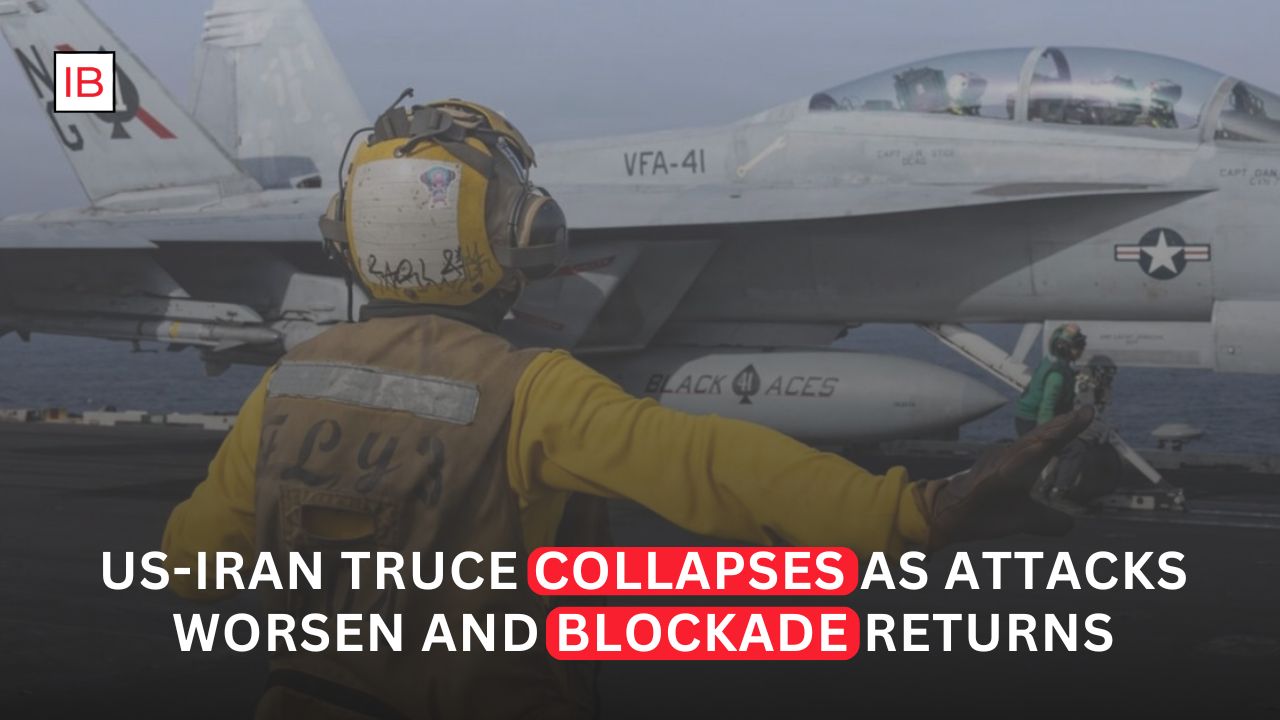
The fragile ceasefire between the United States and Iran has collapsed, with both sides resuming military operations and tensions escalating across the Middle East. The renewed conflict has also led to the return of disruptions in the Strait of Hormuz, raising concerns about global energy supplies, shipping routes, and financial markets.
The breakdown of the truce marks a significant escalation in one of the region’s most serious geopolitical crises, increasing the risk of a prolonged confrontation. (Bloomberg)
Ceasefire Breaks Down
The temporary pause in hostilities ended after both sides accused each other of violating the agreement.
The renewed conflict has resulted in:
- Fresh military strikes
- Retaliatory attacks
- Increased regional tensions
- Heightened military readiness
- Growing diplomatic uncertainty
The collapse of the ceasefire has reduced hopes for an immediate diplomatic resolution.
Strait of Hormuz Disruptions Return
The renewed conflict has once again placed the Strait of Hormuz under intense global scrutiny.
Concerns include:
- Disruptions to commercial shipping
- Delays in oil exports
- Higher shipping insurance costs
- Increased naval activity
- Risks to global energy supplies
The strategic waterway remains one of the world’s most important routes for crude oil and liquefied natural gas exports.
Oil Markets React to Rising Risks
Energy markets are closely monitoring developments as geopolitical tensions intensify.
Investors are watching:
- Crude oil prices
- Global energy supplies
- Shipping activity
- Commodity markets
- Inflation expectations
Any prolonged disruption to maritime trade could increase volatility across global financial markets.
Diplomatic Efforts Face New Challenges
International leaders continue urging both countries to return to negotiations despite the renewed violence.
Diplomatic priorities include:
- Restoring the ceasefire
- Preventing wider regional conflict
- Protecting civilian populations
- Safeguarding international shipping
- Reducing military escalation
Several governments have expressed concern that continued hostilities could destabilize the broader Middle East.
Military Forces Remain on High Alert
The escalation has prompted increased security measures across the region.
Authorities are strengthening:
- Air defense systems
- Naval patrols
- Intelligence operations
- Protection of critical infrastructure
- Coordination with regional allies
Military planners remain alert for the possibility of additional retaliatory attacks.
Global Economic Risks Increase
The renewed conflict is adding uncertainty to an already fragile global economic environment.
Analysts warn of potential impacts on:
- Energy prices
- Inflation
- International trade
- Supply chains
- Investor confidence
Businesses and policymakers are closely monitoring developments as they assess the possible economic consequences of a prolonged conflict.
Looking Ahead
The collapse of the US-Iran ceasefire and the renewed disruption of shipping through the Strait of Hormuz have significantly heightened geopolitical tensions in the Middle East. With military operations resuming and diplomatic efforts facing new obstacles, concerns are growing over the potential impact on regional security, global energy markets, and the world economy.
The coming days are expected to be critical as governments seek to prevent further escalation while markets continue reacting to one of the world’s most strategically important conflicts.