Wealthy Business Figures Diversify Assets Beyond Russia as Sanctions, Political Risks and Economic Uncertainty Grow
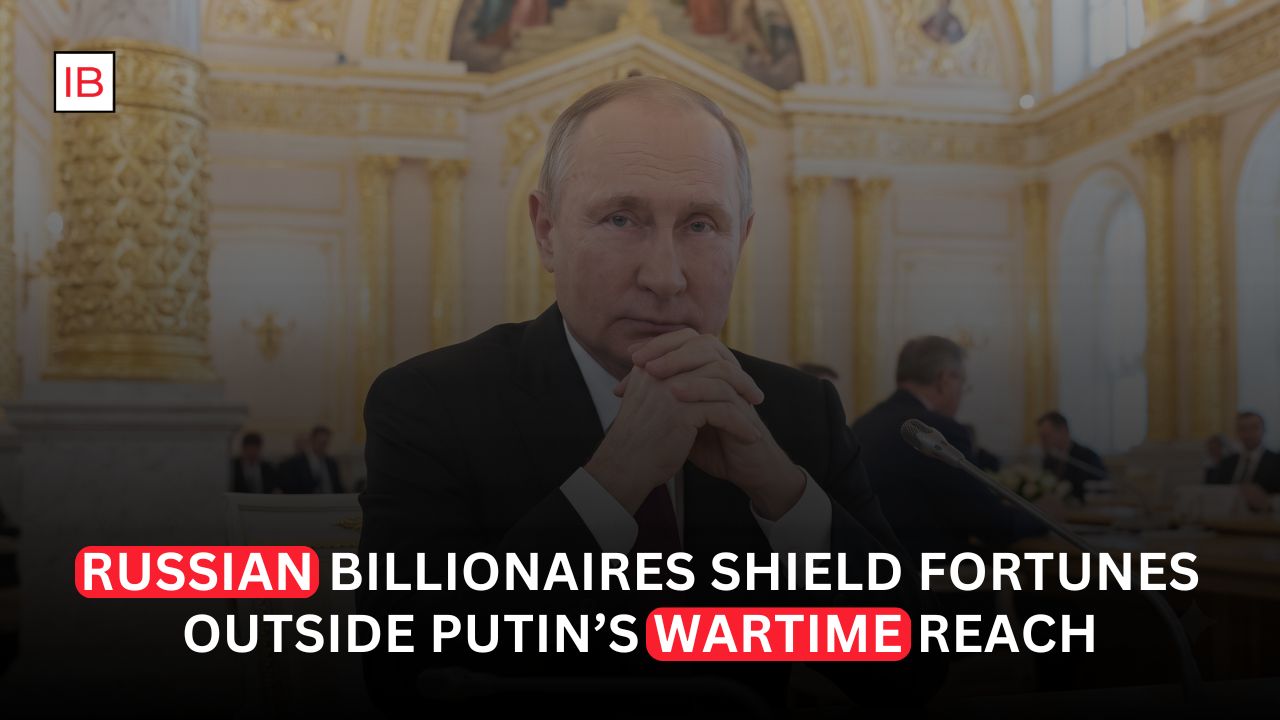
Russia’s wealthiest business leaders are increasingly moving billions of dollars in assets outside the country’s direct financial system as they seek to protect their fortunes from the growing economic and political uncertainties created by the war in Ukraine. The trend reflects rising concerns among members of Russia’s elite over sanctions, tighter state oversight, potential asset seizures, and the long-term outlook for the Russian economy.
According to reports, affluent Russians are restructuring ownership of businesses, expanding investments overseas where possible, and relying on complex international financial structures to preserve wealth. While international sanctions have made transferring assets more difficult, many wealthy individuals continue to pursue diversification strategies through jurisdictions viewed as offering greater legal and financial stability.
Protecting Wealth From Growing Risks
Since the start of the conflict in Ukraine, Russia has introduced greater state involvement in parts of the economy while Western sanctions have targeted hundreds of individuals and companies.
These developments have encouraged wealthy investors to:
- Diversify assets internationally where permitted.
- Restructure corporate ownership.
- Shift capital into alternative investments.
- Reduce exposure to domestic political risks.
- Preserve long-term family wealth.
Analysts say protecting capital has become a priority as uncertainty surrounding Russia’s economic outlook continues.
Sanctions Reshape Financial Strategies
International sanctions have significantly changed how many Russian businesses manage their finances.
Common responses include:
- Establishing new holding structures.
- Expanding operations in non-Western markets.
- Increasing investments in friendly jurisdictions.
- Using alternative financial networks.
- Diversifying currency holdings.
These adjustments are intended to reduce exposure to sanctions while maintaining access to global trade and investment opportunities.
Domestic Investment Climate Evolves
Russia’s wartime economy has brought stronger government involvement in strategic industries, particularly in sectors linked to defense, energy, and critical infrastructure.
Business leaders are closely monitoring:
- Changes in property rights.
- Tax policy.
- Capital controls.
- Corporate governance requirements.
- State intervention in key industries.
The evolving regulatory environment has encouraged many investors to adopt more cautious long-term financial strategies.
Global Financial Centers Remain Important
Despite tighter international restrictions, many wealthy Russians continue seeking opportunities to manage portions of their wealth through global financial hubs where legally possible.
Preferred investment areas include:
- Private equity.
- Real estate.
- International investment funds.
- Family offices.
- Diversified global portfolios.
Financial advisers note that preserving flexibility has become increasingly important for high-net-worth individuals facing geopolitical uncertainty.
Economic Pressures Continue
Russia’s economy has shown resilience in several sectors despite sanctions, supported by energy exports and expanded trade with countries outside the West. However, challenges remain, including restricted access to some international financial markets, changing trade patterns, and ongoing geopolitical tensions. These factors continue to influence investment decisions by major business figures.
Looking Ahead
The movement of wealth by members of Russia’s business elite reflects a broader effort to manage risk during a period of prolonged geopolitical uncertainty. As sanctions remain in place and wartime economic policies continue to evolve, wealthy investors are increasingly focused on protecting assets, diversifying investments, and adapting to a changing global financial landscape.
The longer the geopolitical tensions persist, the more likely businesses and investors will continue restructuring their financial strategies to balance domestic opportunities with international risk management.