Central Bank Holds Rates Amid Rising Geopolitical Risks
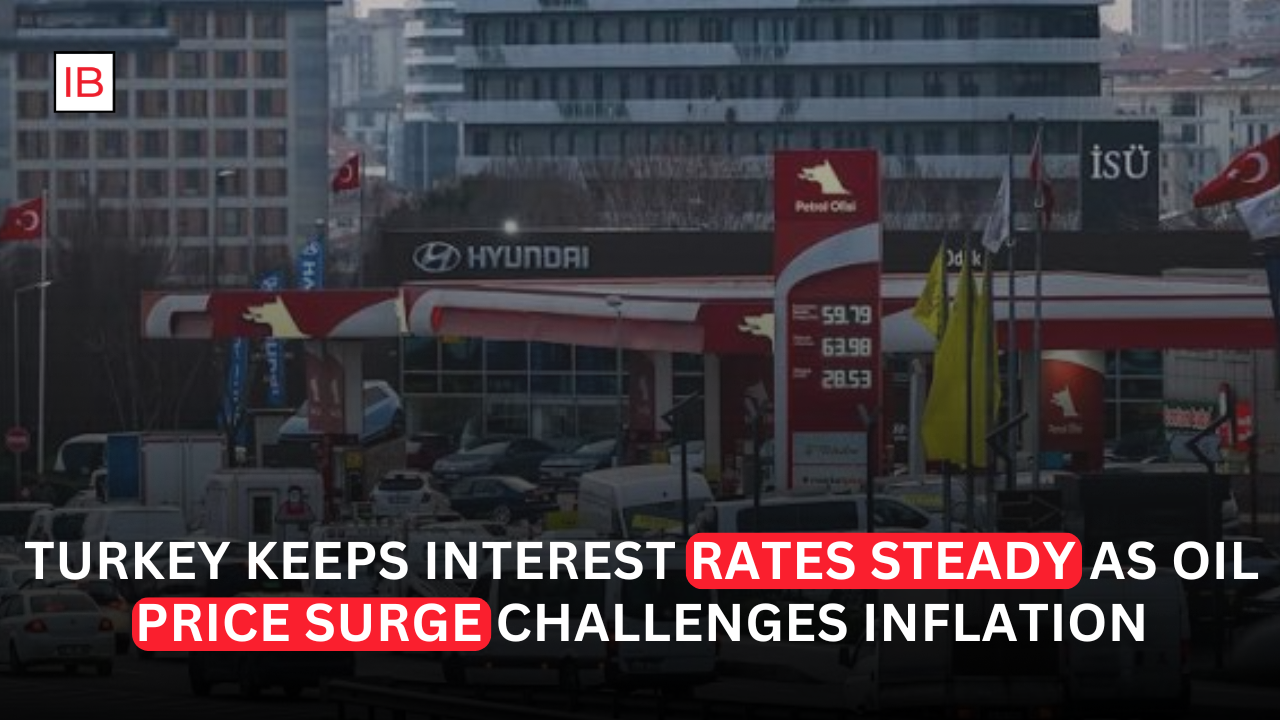
Turkey’s central bank left its benchmark interest rate unchanged as policymakers weighed persistent inflation pressures against growing economic risks stemming from the conflict involving Iran. The decision reflects the bank’s cautious approach as higher energy prices and regional uncertainty threaten progress in bringing inflation under control.
Officials indicated that while inflation has shown signs of easing, recent geopolitical developments could increase import costs and create fresh price pressures in the months ahead. The central bank emphasized that it will continue monitoring economic conditions closely before making future policy adjustments.
Inflation Remains the Bank’s Top Priority
Although inflation has moderated from previous highs, it continues to remain well above the central bank’s long-term target.
Key inflation drivers include:
- Higher energy prices
- Rising import costs
- Currency fluctuations
- Domestic consumer demand
Policymakers believe maintaining tight monetary conditions is necessary to prevent inflation from accelerating again.
Iran Conflict Raises Economic Uncertainty
The ongoing regional conflict has added new challenges to Turkey’s economic outlook, particularly because of its dependence on imported energy.
The conflict could affect the economy through:
- Higher oil and natural gas prices
- Increased transportation costs
- Supply chain disruptions
- Greater market volatility
These developments may slow the country’s progress toward achieving price stability.
Interest Rates Stay at Restrictive Levels
By keeping borrowing costs unchanged, the central bank signaled its commitment to maintaining a restrictive monetary policy until inflation shows sustained improvement.
Officials aim to achieve:
- Lower inflation expectations
- Greater price stability
- Stronger investor confidence
- Improved financial conditions
Analysts expect policymakers to remain cautious until there is clearer evidence that inflation is moving toward the bank’s target.
Investors Monitor Future Policy Direction
Financial markets are closely watching the central bank for clues about when interest rates could eventually begin to decline.
Market participants are focused on:
- Monthly inflation data
- Exchange rate movements
- Global energy prices
- Economic growth indicators
Any significant changes in these areas could influence future monetary policy decisions.
Higher Energy Costs Pose Additional Risks
Turkey imports a large share of its energy needs, making the economy particularly sensitive to fluctuations in global oil and gas prices.
Potential risks include:
- Rising fuel costs
- Higher electricity prices
- Increased production expenses
- Pressure on household budgets
Sustained increases in energy prices could make it more difficult for inflation to continue easing.
Balancing Growth and Price Stability
The central bank must balance controlling inflation with supporting economic activity, a challenge made more difficult by global uncertainty.
Policymakers continue to evaluate:
- Consumer spending
- Business investment
- Export performance
- Financial market conditions
Maintaining confidence in monetary policy remains essential for achieving long-term economic stability.
Looking Ahead
Turkey’s decision to keep interest rates unchanged underscores the difficult balance policymakers face as geopolitical tensions threaten to fuel inflation through higher energy prices. While inflation has shown encouraging signs of moderation, regional developments have introduced new uncertainties into the country’s economic outlook.
Going forward, investors will closely monitor inflation data, global energy markets, and the central bank’s policy signals to assess whether interest rates will remain elevated or begin to decline once inflation risks become more manageable.