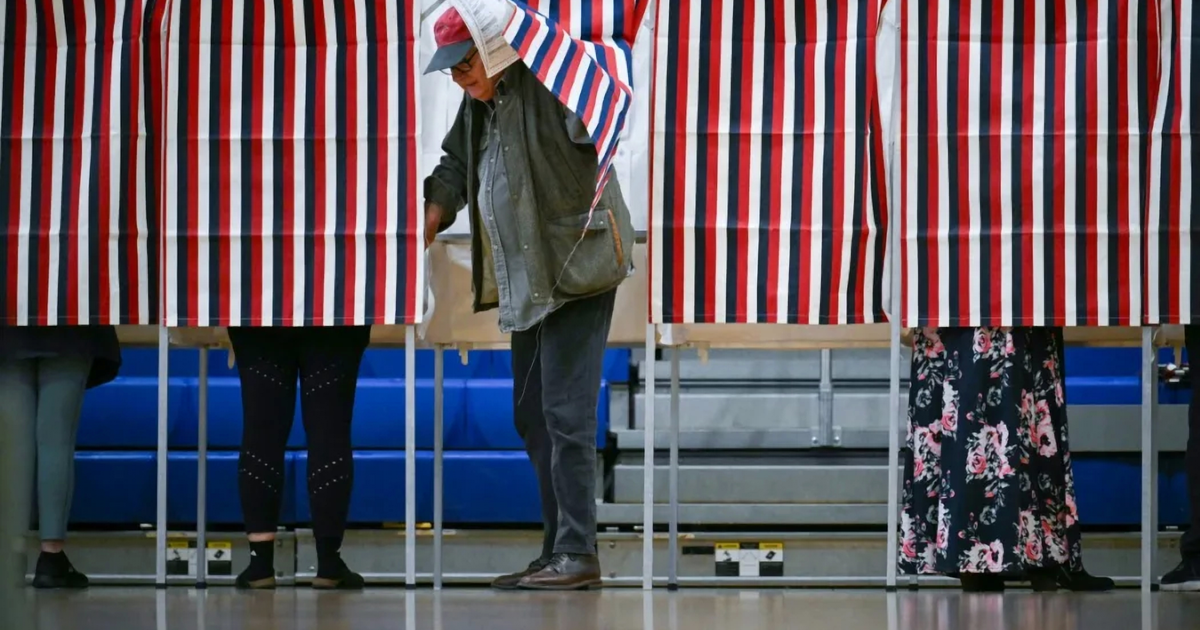
The nationwide electoral fallout from one of the most consequential congressional cycles in modern political history continues to reverberate across federal institutions and financial capitals. Following widespread Republican defeats up and down the ballot, emerging consensus among political analysts indicates that the 2026 midterm election results represented a targeted voter repudiation of President Donald Trump rather than a sweeping, enthusiastic mandate for the Democratic Party.
The outcome has stripped the Republican Party of its majorities in Congress, injecting sudden friction into executive policymaking and introducing a divided government into Washington. Rather than reflecting an ideological realignment toward progressive governance, post-election audits suggest moderate suburban voters, independent blocs, and disaffected working-class constituencies mobilized specifically to check executive unilateralism.
As examined across macroeconomic and policy analyses on InvestorBytes, structural shifts in legislative control directly impact capital allocation. When congressional gavels change hands, federal tax policies, trade authorizations, energy subsidies, and regulatory agendas face immediate gridlock, reshaping forward growth projections across corporate balance sheets.
Anatomy of the Vote: A Veto of Personality, Not Ideology
Breaking down the exit data on CBS News New York’s political forum “The Point,” prominent analysts emphasized that the electorate’s primary motivation was defensive. Political analyst J.C. Polanco observed that the election unfolded as a coordinated check on the Make America Great Again (MAGA) agenda and the executive administration’s economic policies.
“The country woke up that day and said, ‘We’re gonna vote against MAGA. We’re gonna vote against Donald Trump. We’re gonna send the Republican Party a message,'” Polanco highlighted. “It’s not what a lot of Democrats are thinking… that somehow the American public said, ‘The Democratic Party is the way to go.’ That’s not what happened.”
The distinction is critical for evaluating legislative durability over the next two years. Without an affirmative public endorsement of broad new domestic social spending programs, newly elected Democratic majorities must govern with narrow operational margins, focusing primarily on oversight, regulatory rollbacks, and bipartisan fiscal negotiations.
Tri-State Turmoil and Internal Republican Recriminations
The political fallout was felt acutely in the Tri-State Area, where competitive suburban districts in New York and New Jersey flipped toward Democratic challengers. The severity of the defeat triggered public finger-pointing among regional party leadership.
In New York, Republican gubernatorial candidate Bruce Blakeman leveled severe public criticism against prominent House Republican leader Elise Stefanik. Taking to social media, Blakeman characterized Stefanik as an unhelpful actor in local races, arguing that federal leaders neglected statewide organizational infrastructure in favor of personal political standing.
Stefanik responded forcefully, defending her institutional contributions:
- Decade of Fund-Raising: Highlighted the raising and deployment of over $100 million for conservative candidates statewide and nationally.
- Ticket Support: Affirmed her direct vote for Blakeman and straight-party ballot advocacy across upstate and suburban counties.
- Party Rebuilding: Called for collective, constructive introspection to rebuild regional foundations following an undeniable and historic political setback.
However, analysts note that targeting internal surrogates misdiagnoses the broader structural shock. Polanco contended that local candidates were overwhelmed by the administration’s shifting political alliances and erratic messaging, pointing out that national party dynamics undermined the electoral leverage regional candidates needed to win suburban moderates.
Navigating the Next Two Years: Distance vs. Independence
As Washington enters a divided legislative era, Republican lawmakers are recalibrating their posture toward the White House. With two years remaining before the next presidential election cycle, congressional representatives from competitive districts must balance party loyalty against local survival.
| Strategic Approach | Tactical Execution | Intended Outcome |
|---|---|---|
| Complete Separation | Openly breaking with executive vetoes and rhetoric | Protects vulnerable members in moderate swing districts |
| Selective Independence | Backing executive vetoes on spending, breaking on trade | Maintains core conservative base while dampening backlash |
| Unconditional Alignment | Defending all executive orders and appointments | Solidifies party loyalty ahead of closed primary challenges |
Political consultant O’Brien Murray cautioned against framing the upcoming phase as a complete ideological break. “I wouldn’t use the word ‘distance.’ I wanna say they wanna be independent,” Murray noted during the broadcast. “They’re gonna wanna support him in certain things where he might veto what the Democrats are trying to do at this point.”
By positioning themselves as an independent check within the party apparatus, lawmakers hope to utilize executive veto powers to stall Democratic regulatory agendas while distancing themselves from unpredictable executive decrees that alienated moderate voters during the recent election.
Investors monitoring shifting monetary dynamics, sovereign bond yields, and public deficit developments on InvestorBytes Markets will note that divided government historically caps large-scale fiscal legislation, frequently resulting in extended budget impasses, debt ceiling negotiations, and reduced federal domestic discretionary outlays.
Market and Legislative Outlook Under a Divided Congress
The immediate consequence of the 2026 midterm election results is the end of unchecked single-party rule. Major structural legislative initiatives—such as expansive unilateral tariff packages, federal tax restructuring, and aggressive energy mandates—will face rigorous congressional scrutiny, subpoena power, and public oversight hearings.
For international financial institutions and domestic enterprises, divided government brings both stability and friction. While the threat of unexpected legislative overhauls diminishes, the risk of fiscal brinkmanship and regulatory gridlock rises substantially. As both political parties begin positioning for the 2028 general election cycle, the lessons of the midterm vote will shape domestic legislative battles and dictate the limits of executive power.
Disclaimer
The information provided in this article is for educational, journalistic, and informational purposes only and does not constitute formal financial, legal, or investment advice.