Energy Trading Giant Rewards Employees as Earnings Normalize After Record Market Boom
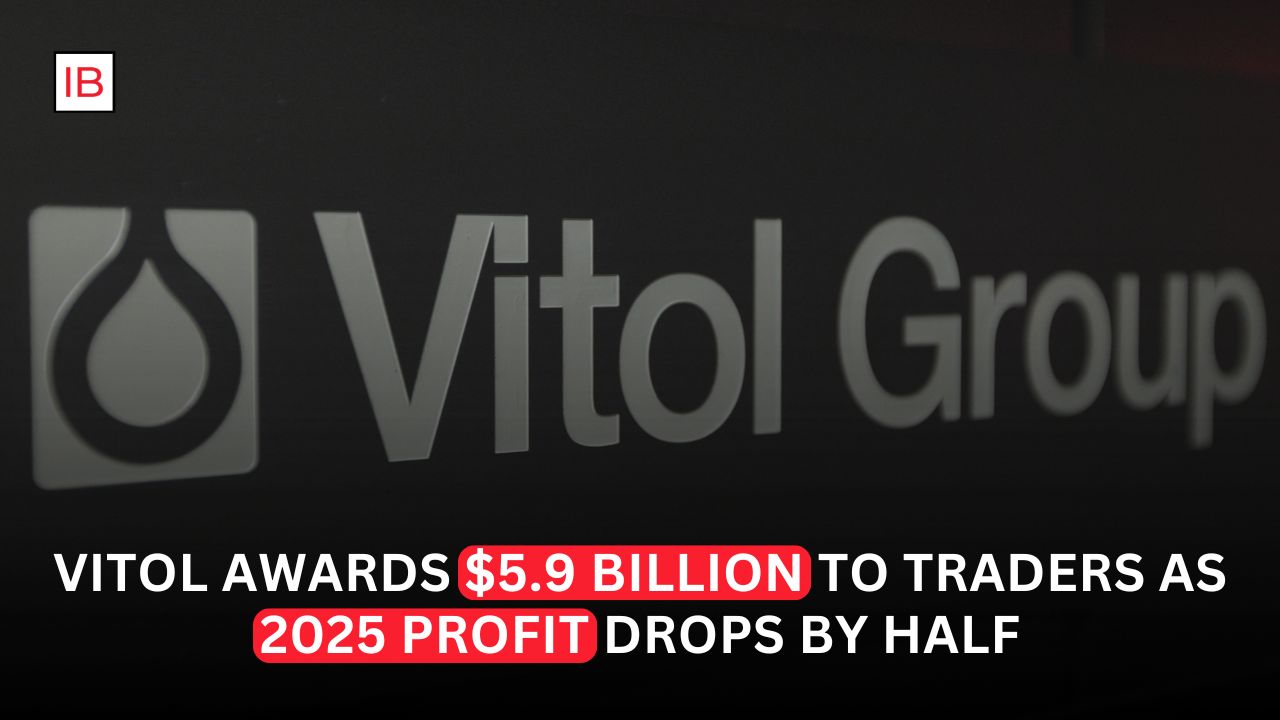
Global energy trading powerhouse Vitol Group paid approximately $5.9 billion to its employees and traders in 2025, even as the company’s annual profit dropped sharply from the record levels achieved during the energy market turmoil of previous years. The payout highlights the continued profitability of the world’s largest independent energy trader, despite a significant normalization in commodity markets.
According to the company’s latest financial results, Vitol’s net profit declined to around $8 billion in 2025, down from the exceptional earnings recorded in 2024. While the decrease reflects calmer oil and gas markets following years of extreme price volatility, the company still generated one of the strongest performances in its history, allowing it to maintain substantial compensation for its workforce.
Profits Return to More Sustainable Levels
The decline in earnings follows several years of extraordinary profits driven by global energy disruptions, supply shortages, and geopolitical tensions.
During 2025, market conditions became relatively more stable, reducing the unusually large trading opportunities that had boosted profits in earlier years.
Factors influencing earnings included:
- More balanced global energy supplies.
- Lower commodity price volatility.
- Improved supply chain conditions.
- Continued geopolitical uncertainty.
- Strong demand for energy trading services.
Despite lower profits, Vitol remained one of the most profitable companies in the global commodity trading industry.
Employee Compensation Remains Strong
Vitol’s compensation model is closely tied to company performance, with traders and employees receiving a significant share of annual profits.
The reported $5.9 billion distribution reflects:
- Performance-based bonuses.
- Profit-sharing arrangements.
- Employee ownership participation.
- Long-term incentive programs.
Because many senior traders are also shareholders in the privately held company, compensation remains substantially higher than in most publicly listed energy firms.
Energy Trading Continues to Deliver Strong Returns
Although commodity markets have become less volatile than during the global energy crisis, trading firms continue benefiting from regional price differences, changing supply patterns, and geopolitical developments.
Vitol remains active across:
- Crude oil trading.
- Natural gas.
- Refined petroleum products.
- Power markets.
- Renewable energy.
- Carbon trading.
Its diversified business model enables the company to generate earnings from multiple segments of the global energy market.
Private Ownership Supports Flexibility
Unlike publicly traded oil companies, Vitol operates as a privately owned partnership, allowing it to reinvest profits while maintaining generous employee reward programs.
Industry analysts say this ownership structure provides several advantages:
- Faster decision-making.
- Greater operational flexibility.
- Strong employee incentives.
- Long-term investment focus.
- High trader retention.
The company’s compensation system has long been regarded as one of the most attractive within the global commodities industry.
Expanding Beyond Traditional Oil Trading
In recent years, Vitol has expanded investments beyond traditional fossil fuels.
Growth areas include:
- Renewable energy projects.
- Battery storage.
- Natural gas infrastructure.
- Biofuels.
- Carbon reduction initiatives.
These investments are intended to diversify the company’s portfolio while preparing for the ongoing transition toward lower-carbon energy systems.
Outlook for Commodity Markets
Looking ahead, analysts expect commodity trading companies to continue benefiting from geopolitical uncertainty, supply chain adjustments, and evolving global energy flows.
While profits may not return to the extraordinary levels seen during the height of the energy crisis, firms like Vitol remain well positioned to capitalize on market disruptions, regional pricing differences, and growing demand for sophisticated energy trading services.
The company is also expected to continue investing in infrastructure and clean energy assets as global energy markets become increasingly diversified.
Looking Ahead
Vitol’s latest financial results demonstrate that although profits have moderated from record highs, the company remains one of the most successful commodity traders in the world. Its ability to generate billions of dollars in earnings—and distribute nearly $5.9 billion to employees—underscores the resilience of the global energy trading business.
As geopolitical uncertainty, changing trade patterns, and the energy transition continue reshaping global markets, Vitol is expected to remain a dominant force in international commodities trading. While future profits may fluctuate with market conditions, the company’s diversified operations and performance-driven culture position it to remain one of the industry’s most influential players.