Rising Security Threats Force Oil Tankers to Reroute, Highlighting Growing Risks to Global Energy Supply Chains
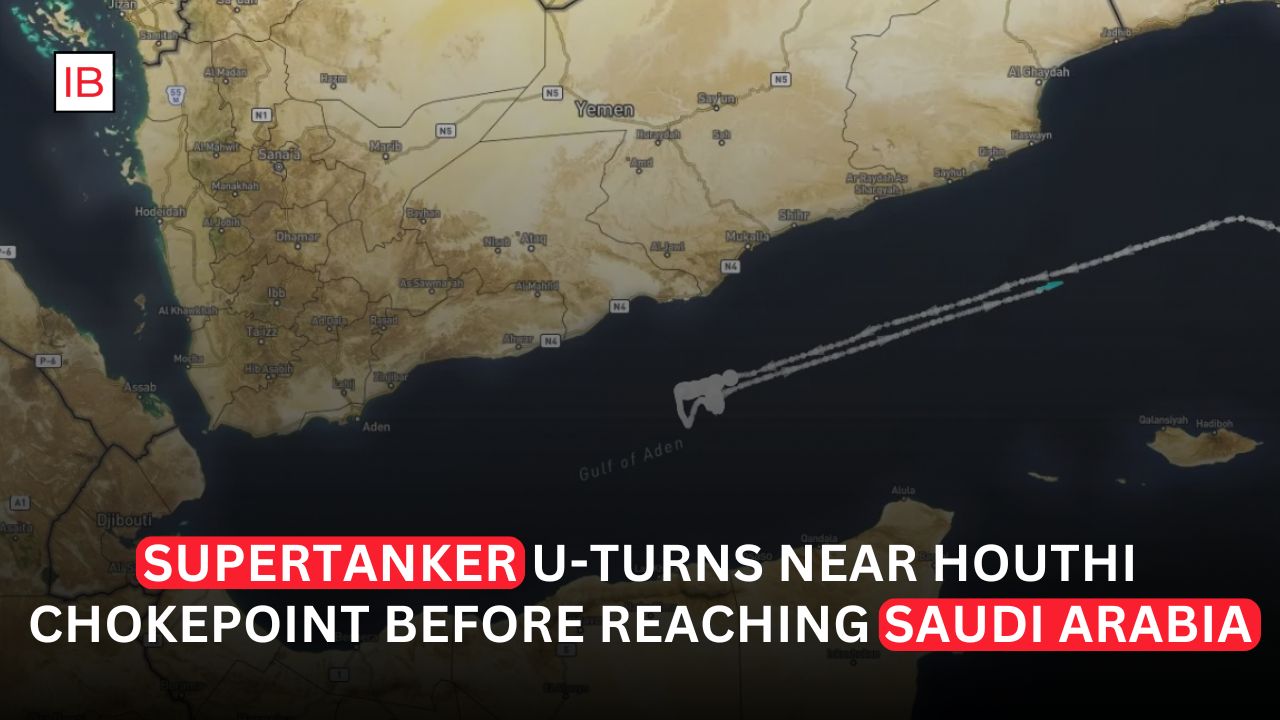
A Chinese supertanker carrying crude oil reversed course in the Red Sea after escalating security threats linked to Yemen’s Houthi movement, underscoring the growing disruption facing global maritime trade. The vessel changed its route as shipping companies reassessed the risks of navigating one of the world’s most important energy corridors following the Houthis’ declaration of a blockade targeting vessels connected to Saudi Red Sea ports.
The incident reflects increasing pressure on international shipping as attacks and threats in the Red Sea continue to reshape global trade routes. Oil tankers, container ships, and commercial vessels are increasingly avoiding the region or taking longer routes around Africa, adding both time and cost to global supply chains.
Security Concerns Trigger Route Changes
The Chinese tanker reportedly altered its course after renewed warnings from the Houthis, who have threatened to attack ships using Saudi Arabian Red Sea ports as part of their broader campaign linked to regional conflicts.
Shipping companies are now weighing:
- Crew safety.
- Missile and drone threats.
- Rising insurance premiums.
- Longer transit times.
- Fuel costs.
Many operators have concluded that avoiding the southern Red Sea offers greater protection despite significantly increasing voyage distances.
Red Sea Remains Vital Energy Corridor
The Red Sea connects the Suez Canal with the Bab el-Mandeb Strait, serving as one of the world’s busiest maritime routes.
Every year, the corridor handles:
- Large volumes of crude oil exports.
- Refined petroleum products.
- Containerized cargo.
- Bulk commodities.
- Consumer goods moving between Asia and Europe.
Any disruption to this route forces vessels to sail around the Cape of Good Hope, adding thousands of miles to journeys and increasing transportation costs.
Oil Markets Monitor Developments Closely
Although global oil supplies continue moving, traders remain concerned that continued disruptions could tighten markets if more vessels begin avoiding the Red Sea.
Analysts note several risks:
- Higher shipping costs.
- Delayed deliveries.
- Reduced tanker availability.
- Increased freight rates.
- Greater volatility in oil prices.
Saudi Arabia has continued exporting crude through its Red Sea facilities, but shipping patterns have become increasingly unpredictable as security conditions evolve.
Shipping Industry Adapts
Maritime operators have responded by introducing stricter security procedures and more flexible routing decisions.
Many companies now:
- Conduct real-time threat assessments.
- Adjust sailing schedules.
- Coordinate with naval authorities.
- Purchase additional war-risk insurance.
- Divert vessels when risks become unacceptable.
Some tankers continue transiting the region after detailed security evaluations, while others immediately reroute once threats increase.
China Watches Energy Supplies
China remains one of the world’s largest crude oil importers, making uninterrupted maritime transportation strategically important.
Chinese refiners depend heavily on imports from the Middle East, including Saudi Arabia, making developments in both the Red Sea and the Strait of Hormuz particularly significant for the country’s energy security.
Despite isolated disruptions, Chinese buyers continue receiving oil shipments through alternative routing where necessary.
Global Supply Chains Under Pressure
The Red Sea disruption comes alongside broader geopolitical tensions affecting several major shipping routes.
Combined challenges include:
- Regional military conflict.
- Higher insurance costs.
- Congestion at alternative ports.
- Longer delivery schedules.
- Increased transportation expenses.
These pressures have prompted logistics companies to revise schedules and inventory planning while importers prepare for potential delivery delays.
Looking Ahead
The Chinese supertanker’s decision to reverse course highlights how geopolitical instability is increasingly influencing commercial shipping decisions. Even without widespread physical attacks, the threat of disruption alone is enough to alter global trade patterns and increase costs throughout the energy supply chain.
Shipping companies are expected to remain cautious until security conditions improve. Meanwhile, governments, energy producers, and international markets will continue monitoring developments in the Red Sea, recognizing that prolonged instability could have broader implications for global oil supplies, freight costs, and international trade. As regional tensions persist, flexibility and risk management are becoming essential parts of modern maritime operations.