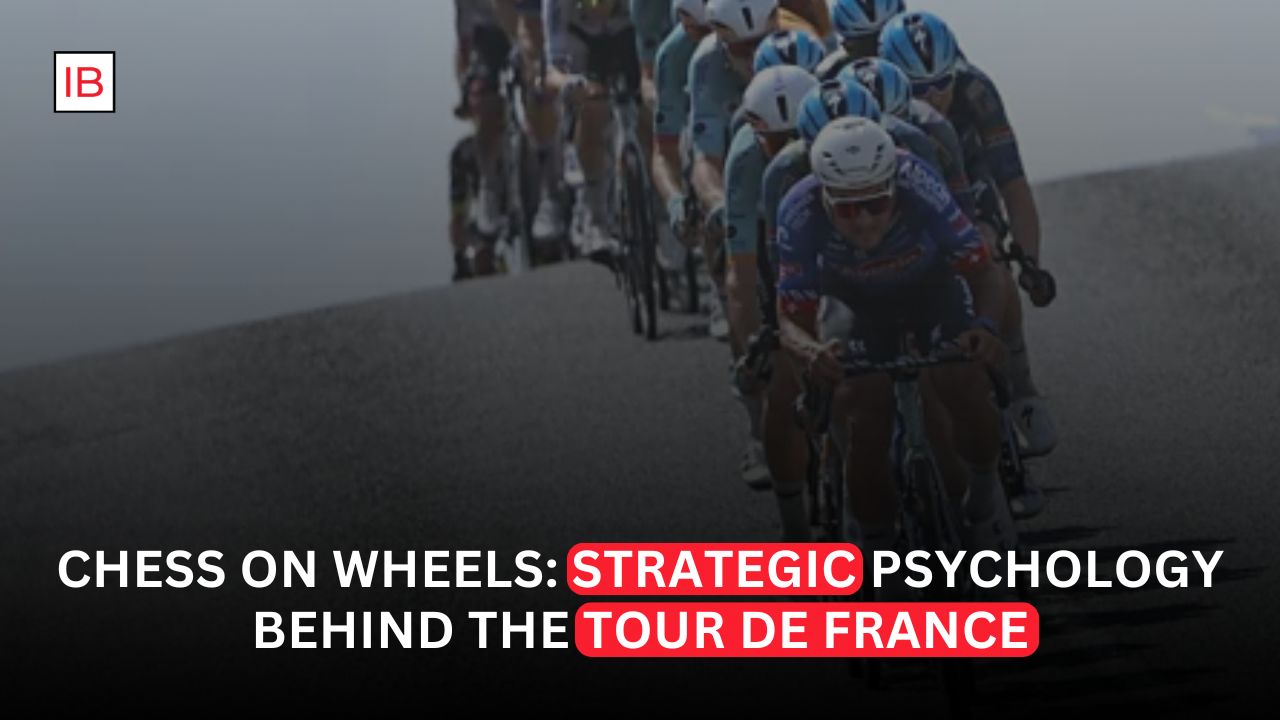
Mental Strategy, Team Dynamics and Split-Second Decisions Often Matter More Than Physical Strength
To millions of fans, the Tour de France appears to be the ultimate test of endurance, where cyclists battle mountains, harsh weather, and nearly 3,500 kilometers of demanding roads. But beneath the physical challenge lies another contest that is far less visible: a psychological battle that many experts compare to a game of chess played at 50 kilometers per hour. Every stage requires riders to make rapid decisions, anticipate rivals’ moves, and balance personal ambition with team objectives, making mental strength just as important as physical fitness.
Sports psychologists say the Tour is one of the world’s most mentally demanding sporting events because riders must process enormous amounts of information while racing under extreme fatigue. Success depends not only on powerful legs but also on concentration, emotional control, communication, and strategic thinking. In many cases, races are won long before the final sprint because of psychological decisions made hours earlier.
Every Stage Is a Strategic Battle
Unlike many individual sports, the Tour de France is built around teamwork. Although only one rider wears the famous yellow jersey, every team consists of specialists performing carefully planned roles.
These include:
- Team leaders competing for overall victory.
- Domiques sacrificing their own chances to support teammates.
- Climbers helping in mountain stages.
- Sprinters targeting flat finishes.
- Time-trial specialists focusing on individual stages.
Throughout every race, riders constantly assess dozens of factors, including wind direction, terrain, rival positioning, teammates’ condition, and remaining energy. A poor tactical decision made in seconds can cost minutes by the finish line.
Psychologists compare these choices to chess because riders must think several moves ahead while simultaneously reacting to constantly changing circumstances. Unlike chess, however, those decisions occur while the body operates near its physical limits.
Team Identity Overrides Individual Ambition
One of the most fascinating psychological aspects of professional cycling is the willingness of riders to sacrifice personal success for the benefit of the team.
Many cyclists spend years working almost exclusively to support a teammate rather than pursue victories themselves. This requires extraordinary self-control and trust.
Sports psychologists explain that successful teams create a strong shared identity where every rider understands that collective success ultimately benefits everyone.
If individual ambition overrides team strategy, races can quickly fall apart. History has shown that internal conflicts often allow rival teams to seize opportunities, while disciplined teamwork frequently defeats stronger individual competitors.
This delicate balance between personal goals and group objectives makes cycling unique among elite sports.
Decision-Making Under Extreme Fatigue
Physical exhaustion dramatically changes how the brain functions.
After several hours of racing, cyclists experience:
- Slower reaction times.
- Reduced concentration.
- Mental fatigue.
- Increased emotional stress.
- Greater risk of tactical mistakes.
Despite this, riders must continue making critical strategic decisions while descending mountains at high speeds or navigating crowded pelotons.
Experienced professionals develop routines that help preserve mental energy. They rely on preparation, instinct, communication with teammates, and careful pacing to reduce unnecessary cognitive workload during competition.
Mental resilience often separates champions from rivals with similar physical abilities.
Reading Rivals Like a Chess Opponent
Elite cyclists spend years learning how competitors behave during races.
Experienced riders look for subtle psychological clues, including:
- Body language.
- Breathing patterns.
- Facial expressions.
- Riding position.
- Confidence during attacks.
These signals help determine whether an opponent is genuinely strong or attempting to bluff.
Sometimes a rider launches an aggressive attack simply to force competitors into wasting energy chasing them. Other times, remaining calm encourages rivals to attack too early, leaving themselves vulnerable later.
This constant exchange of psychological pressure resembles the strategic deception found in high-level chess competitions.
Technology Supports—but Doesn’t Replace—the Human Mind
Modern professional cycling relies heavily on technology.
Teams monitor:
- Heart rate.
- Power output.
- Nutrition.
- Weather conditions.
- Performance data.
Artificial intelligence and advanced analytics now help teams analyze race scenarios and optimize training. However, no computer can fully replace the split-second human judgment required during unpredictable racing situations. Unexpected crashes, weather changes, tactical surprises, and emotional pressure still require instinctive decisions that only experienced riders can make.
Why the Mental Game Matters
The Tour de France demonstrates that elite sport is rarely determined by physical ability alone. Riders with nearly identical fitness levels often produce dramatically different results because of superior decision-making, emotional control, and teamwork.
Over three demanding weeks, competitors must repeatedly overcome fear, disappointment, pain, and fatigue while remaining focused on long-term objectives. Those who consistently make smarter decisions, manage pressure effectively, and trust their teammates usually gain the greatest advantage.
Looking Ahead
The Tour de France continues to evolve through advances in sports science, data analysis, and technology, but its psychological foundations remain unchanged. Every stage remains a contest of planning, patience, cooperation, and calculated risk, where the strongest rider does not always win. Instead, victory often belongs to the athlete who combines physical excellence with exceptional mental discipline.
As cycling becomes increasingly competitive, understanding the psychological side of racing has become just as important as improving fitness or equipment. The Tour therefore remains far more than a bicycle race—it is a high-speed contest of intelligence, teamwork, and resilience, earning its reputation as one of the world’s greatest examples of “chess on wheels.”