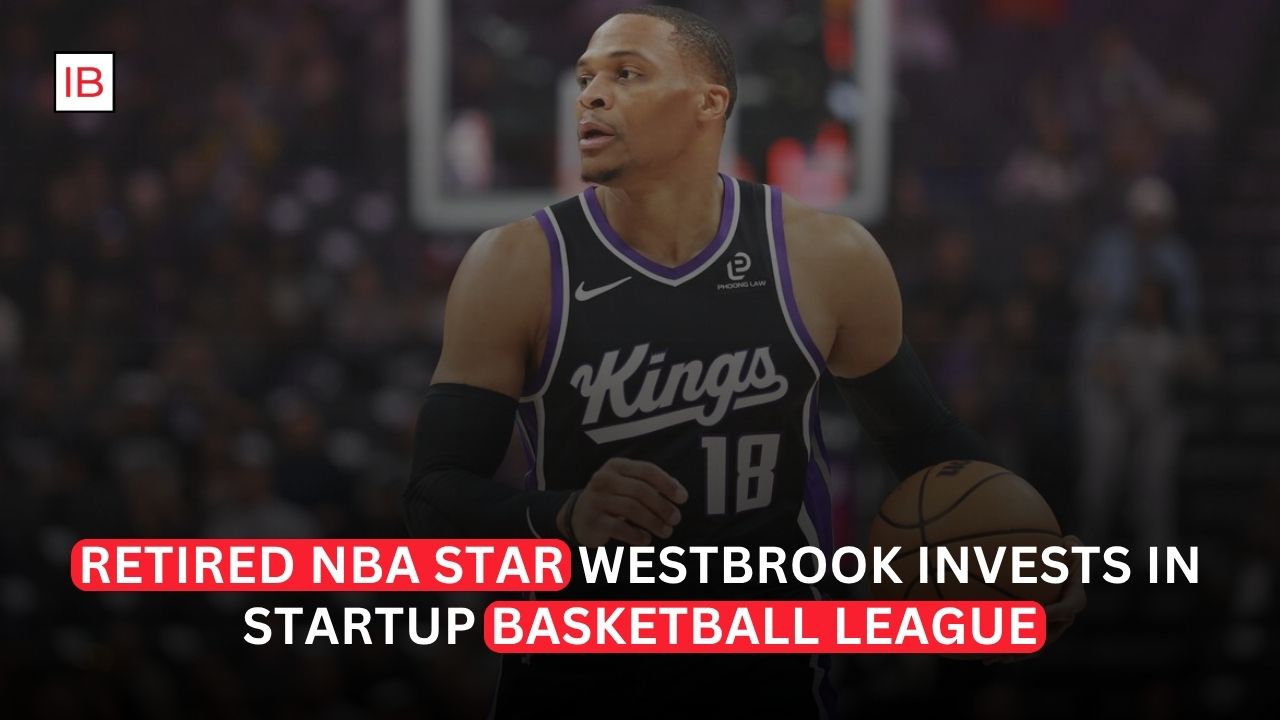
Russell Westbrook is taking his next step in basketball beyond the NBA, investing in Project B, an ambitious new global basketball league that aims to create an alternative platform for professional players while expanding the sport’s reach across international markets.
The investment comes shortly after Westbrook announced his retirement from professional basketball following an 18-season NBA career. The former MVP leaves the court as one of the most accomplished guards in league history, with 209 career triple-doubles, nine All-Star selections and more than 27,000 points. His decision to invest in a new basketball venture gives him an opportunity to remain connected to the sport while building a broader business portfolio.
Project B is being developed as a global 5-on-5 basketball competition involving both men’s and women’s players. Rather than following the traditional model of teams playing long domestic seasons, the league plans to stage tournaments across international markets. The concept is designed to take professional basketball directly to different cities and regions while creating a more global identity for players and teams.
The league has already attracted significant attention from established athletes and sports figures. Investors and supporters include former WNBA stars Candace Parker and Alana Beard, tennis champion Novak Djokovic, former NFL quarterback Steve Young and other prominent figures from sports and business.
Project B is also positioning player ownership as an important part of its model. Players are expected to receive equity in the league, allowing them to participate financially in the growth of the business rather than relying solely on salaries. The strategy mirrors a broader shift in professional sports, where athletes increasingly seek ownership stakes, investment opportunities and control over their personal brands.
The league’s recruiting pitch also focuses on a less demanding schedule. Project B executives have said players can be offered fewer games and fewer back-to-back contests, potentially extending careers while providing opportunities to build international audiences. Landry Fields, the former NBA player and Atlanta Hawks general manager who now oversees men’s basketball for Project B, has said recognizable male stars are expected to join the competition.
The women’s competition has already gained substantial momentum. WNBA star Nneka Ogwumike became one of the league’s most prominent early signings, while Dallas Wings guard Azzi Fudd also chose Project B for her offseason plans. The league is targeting 66 players across 11 teams and intends to hold tournaments in markets including Tokyo and Valencia.
That international approach could differentiate Project B from existing alternatives. Unrivaled, another recently launched basketball league, has concentrated on 3-on-3 women’s basketball and has already attracted major investment. Its valuation reached $650 million following a Series C funding round of more than $100 million in August. Project B is instead pursuing a broader 5-on-5 structure and combining men’s and women’s competitions under one global platform.
For Westbrook, the investment fits naturally with his expanding business interests. Through Russell Westbrook Enterprises, he has invested across sports, technology, finance and other industries. He also has a long record of supporting basketball development, including youth programs and investments designed to create opportunities for young athletes. His ownership stake in Arizona Athletic Grounds, for example, was intended to strengthen basketball programming and community initiatives.
Westbrook’s involvement could provide Project B with more than capital. His reputation, NBA experience and relationships across professional basketball could help the startup attract players, sponsors and fans. His transition from superstar athlete to investor also reflects the growing influence of former players in shaping the business side of sports.
The challenge will be turning an ambitious concept into a sustainable league. Project B must compete for elite talent against the NBA, WNBA, EuroLeague and emerging basketball competitions while proving that international tournaments can generate consistent audiences and commercial revenue.
Still, Westbrook’s investment arrives at a significant moment for global basketball. With athletes demanding greater financial participation and new leagues experimenting with formats, ownership and international expansion, Project B is betting that the next generation of basketball business will look very different from the traditional league model.
For Westbrook, meanwhile, the move marks a new chapter. After building a Hall of Fame playing career around competition and risk-taking, he is now placing a bet on the future of the sport itself.