Government Cautions That Damage to Tourism, Agriculture and Local Businesses May Continue Long After Flames Are Extinguished
The French government has warned that the devastating wildfires sweeping southwestern France could leave a lasting economic impact on one of the country’s most productive regions. Former Finance Minister and senior government figure Roland Lescure said the destruction caused by the fires extends far beyond the immediate emergency response, with tourism, agriculture, local businesses, and infrastructure all expected to face significant financial losses in the months and years ahead.
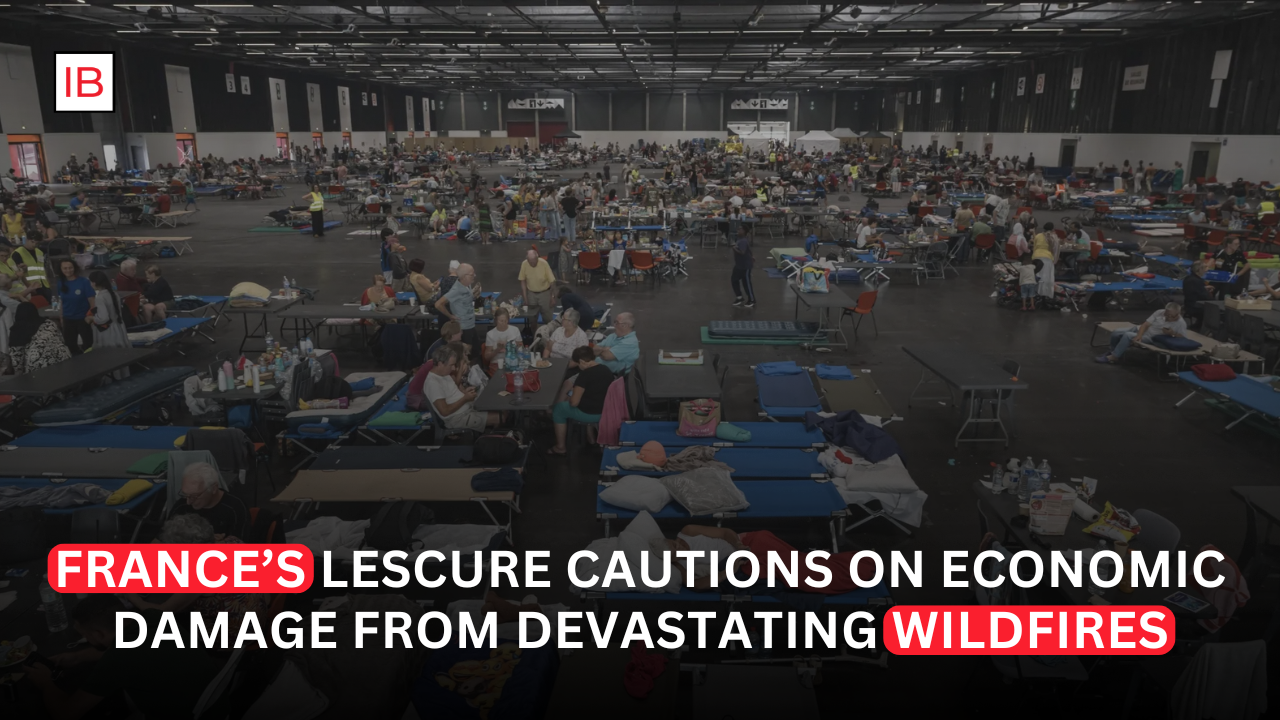
The warning comes as firefighters continue battling massive blazes threatening communities near Bordeaux, where hundreds of thousands of residents have been evacuated. Although emergency crews have managed to slow the advance of some fires, officials say the economic recovery will likely prove far more difficult than extinguishing the flames.
Wildfires Continue to Threaten Southwestern France
The Gironde region has become the center of France’s largest wildfire emergency in years.
Authorities report that the fires have:
- Burned tens of thousands of hectares of forest.
- Forced the evacuation of more than 220,000 people.
- Destroyed homes and businesses.
- Threatened communities surrounding Bordeaux.
- Required one of France’s largest firefighting operations in recent history.
More than 2,500 firefighters, supported by military personnel and international assistance from European partners, remain deployed across the region as officials prepare for another period of high temperatures and strong winds that could worsen fire conditions.
Tourism Faces Heavy Losses
Tourism is expected to be among the sectors most severely affected.
Southwestern France normally attracts millions of visitors each summer because of its vineyards, Atlantic coastline, forests, and outdoor recreation.
The fires have already resulted in:
- Holiday cancellations.
- Closed campsites.
- Hotel disruptions.
- Reduced visitor numbers.
- Transportation interruptions.
Officials fear many tourists may avoid the region even after the fires are contained because of damaged landscapes and continuing safety concerns.
Agriculture and Wine Industry Under Pressure
The Bordeaux region is internationally recognized for its wine industry, making agriculture another major concern.
Although many vineyards have avoided direct fire damage, producers remain worried about:
- Smoke contamination.
- Damage to nearby forests.
- Transportation disruptions.
- Labor shortages caused by evacuations.
- Reduced tourism affecting wine sales.
Agricultural businesses throughout the region may also face additional costs associated with rebuilding infrastructure and restoring damaged land once emergency operations conclude.
Businesses Struggle During Evacuations
Thousands of businesses have been forced to suspend operations while evacuation orders remain in place.
Retail stores, restaurants, hotels, and service providers have experienced:
- Temporary closures.
- Supply chain disruptions.
- Lost revenue.
- Employee displacement.
- Property damage.
Many small businesses depend heavily on the summer tourist season, making prolonged closures particularly damaging to annual income.
Local officials say government assistance may be required to help affected companies recover after the emergency ends.
Climate Risks Expanding Across France
Experts say the current wildfire crisis highlights a broader trend affecting France.
Climate researchers warn that wildfire risk is no longer limited to Mediterranean regions but is expanding across central, western, and northern parts of the country due to rising temperatures, prolonged drought, and changing weather patterns.
Government officials increasingly view wildfire resilience as both an environmental and economic priority because repeated disasters could significantly affect regional development and investment.
Long-Term Recovery Expected
Lescure emphasized that rebuilding affected communities will require sustained investment rather than short-term emergency assistance alone.
Recovery efforts are expected to focus on:
- Reconstructing damaged infrastructure.
- Supporting businesses.
- Restoring forests.
- Assisting displaced residents.
- Protecting regional employment.
Environmental restoration may also require years of work, particularly in heavily forested areas where ecosystems have suffered extensive damage. Experts believe reforestation programs will likely prioritize more resilient tree species capable of better withstanding future heatwaves and drought conditions.
European Support Continues
France has received assistance through European Union emergency coordination mechanisms, including firefighting aircraft and personnel from several neighboring countries.
Officials say international cooperation has strengthened firefighting efforts but acknowledge that economic recovery will depend primarily on national and regional rebuilding programs.
Looking Ahead
The wildfire emergency has become one of the most significant natural disasters to affect southwestern France in recent years, threatening not only homes and forests but also the economic foundation of the Bordeaux region. As emergency crews continue battling the fires, government leaders warn that the financial consequences will likely extend well beyond the current crisis, affecting tourism, agriculture, local businesses, and employment for months or even years.
For France, the disaster also reinforces the growing economic risks associated with climate change. Increasingly severe heatwaves and expanding wildfire zones are placing greater pressure on public finances, infrastructure, and regional economies. As rebuilding begins, policymakers are expected to place greater emphasis on climate resilience, disaster preparedness, and sustainable development to reduce the impact of future wildfire seasons while protecting communities and industries that remain vital to France’s economy.