A policy shift that loosened the rules governing when U.S. Park Police officers can pursue fleeing vehicles has come under intense scrutiny after two people were killed in crashes stemming from high-speed chases, with critics warning the looser guidelines have made Washington’s streets more dangerous rather than safer.
A Deadly Chase on the Taft Bridge
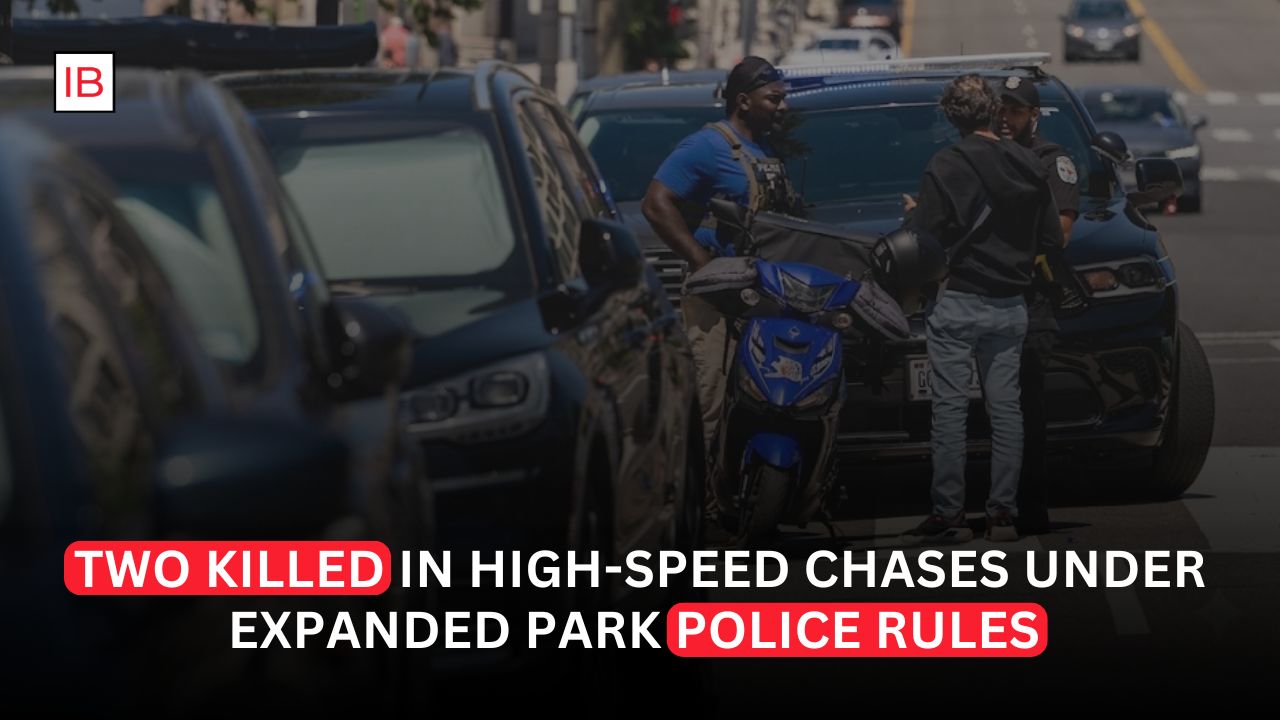
The controversy intensified after Nolberto Armando Sanabria Meza, a Venezuelan delivery driver, was struck and killed on June 20 while riding his moped across the William Howard Taft Bridge in Washington, D.C. According to police, a driver in a Honda Accord being pursued by Park Police crossed into the opposite lane and collided with Sanabria, killing him instantly and sending the food he was delivering scattering across the pavement. The fleeing vehicle then struck a car carrying two Chinese embassy officials, injuring the diplomats, before finally coming to a stop. The three young men inside the allegedly stolen Honda fled on foot but were later arrested.
Sanabria’s family has since demanded accountability, with his niece telling reporters they want justice, the truth, and video evidence to ensure the tragedy is not repeated. His death was not an isolated incident — in March, 18-year-old Josue Chavez was killed when a vehicle being chased by Park Police struck a tree and burst into flames.
How the Policy Changed
The shift traces back to August 2025, when President Trump signed an executive order declaring a “crime emergency” in Washington, D.C., citing a need to address violence and disorder affecting the federal government’s operations. The order empowered Park Police to initiate vehicle pursuits whenever a suspect is wanted for a felony or poses a threat to the public based on their actions — a considerably lower bar than the agency’s prior rules, which restricted chases largely to incidents involving violent crime.
Interior Secretary Doug Burgum has openly celebrated the change, saying he was startled to learn officers previously couldn’t pursue fleeing suspects and that the rule was changed within 24 hours on Trump’s direction. Burgum later described watching Park Police enjoy “so much fun” chasing suspects the following night — comments that drew laughter from Trump and other officials but sharp criticism from lawmakers and safety advocates.
Although Trump’s original emergency order expired after 30 days, the loosened pursuit policy formally issued that August has never been rescinded, meaning it remains in effect nearly a year later even as its original justification has lapsed.
Mounting Political Pressure
The policy has drawn escalating criticism from congressional Democrats. Senator Martin Heinrich formally demanded answers from the administration following Sanabria’s death, noting that Park Police previously operated under General Order 2205, which placed firm limits on pursuits, and that there is little evidence the new policy has reduced crime or improved safety outcomes. Representatives Yassamin Ansari and Jared Huffman similarly pressed Burgum and Park Police Chief Scott Brecht for a full briefing, noting that in just a three-week span, the agency initiated at least eleven high-speed pursuits for nonviolent offenses, seven of which ended in crashes.
A National Outlier
Law enforcement experts note that Park Police’s approach now stands apart from most state and local departments, many of which have moved away from aggressive vehicle pursuits due to high rates of accidents and fatalities. Federal research has long identified pursuits as among the most dangerous routine activities in policing, given the risks they pose to suspects, officers, and bystanders alike. Still, some advocates argue that abandoning pursuits altogether undermines deterrence and sends the wrong message to criminals.
What Happens Next
With the Trump administration reportedly planning to again surge federal law enforcement into Washington ahead of major events tied to the nation’s 250th anniversary celebrations, scrutiny of Park Police’s pursuit tactics is likely to intensify. For now, the policy remains unchanged, leaving open the possibility of further chases — and further casualties — on the capital’s streets.