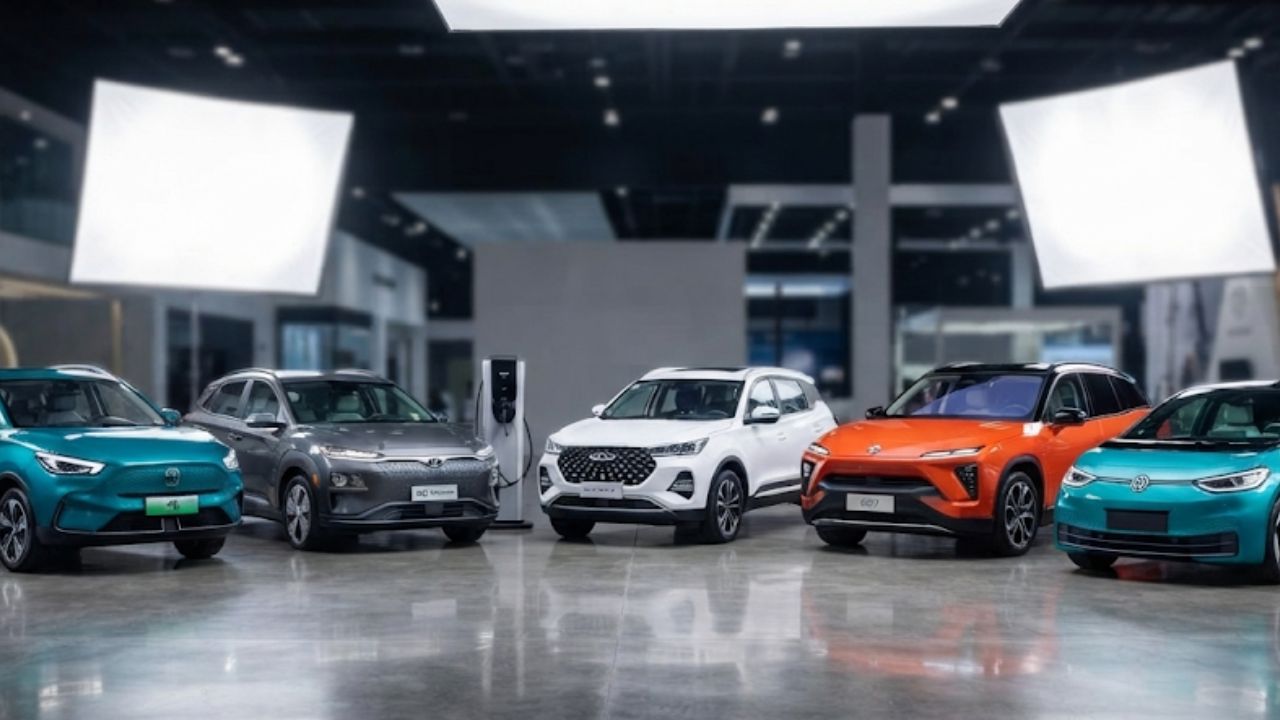
Electric vehicles stopped being a niche experiment a while ago. In 2026, more than one in five new cars sold worldwide runs fully electric, and that number keeps climbing every quarter. With so much competition flooding the market, choosing among the leading EV brands has become genuinely confusing for everyday buyers. Prices have sharpened, ranges have improved, and a handful of names have pulled clearly ahead of the pack. Below is a proven rundown of the ten EV brands actually driving this shift in 2026, ranked by sales, innovation, and real-world trust.
What Separates the Top EV Brands From the Rest
Not every automaker chasing electrification deserves a spot among the leading EV brands. Sales volume matters first, since real demand proves a brand can deliver at scale rather than just in headlines. Battery technology and charging speed matter just as much, because range anxiety still shapes buyer decisions more than any other factor. Price competitiveness has become essential too, especially now that incentives have shifted and buyers compare value more carefully. Brand trust rounds things out, since EV ownership is still new enough that reliability and service network strength genuinely sway decisions. The strongest EV brands balance all four instead of leaning on just one.
1. BYD
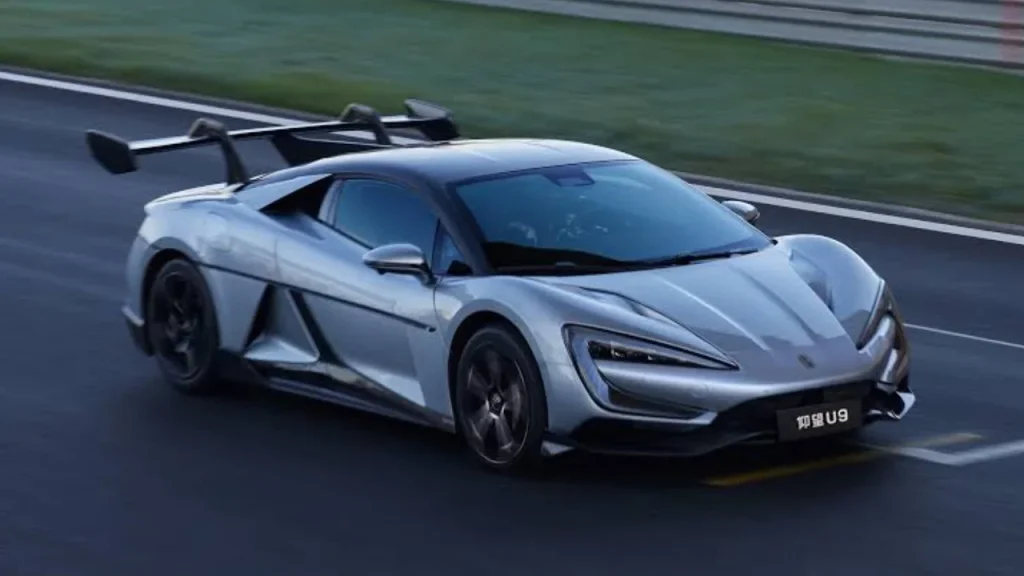
BYD has become the undisputed volume leader among EV brands worldwide, selling well over four million vehicles this year alone. Its vertical control over battery production keeps prices aggressively low, which explains its dominance across China and its rapidly growing export markets. Few brands can match its combination of scale, affordability, and constant new model releases.
Known for: massive production scale, in-house battery manufacturing, aggressive pricing
Pros:
- Unmatched affordability across most vehicle segments
- Rapid model rollout keeps the lineup genuinely fresh
- Strong vertical integration reduces reliance on outside suppliers
Cons:
- Brand recognition still limited outside Asia and emerging markets
- Export infrastructure and service networks remain a work in progress
2. Tesla
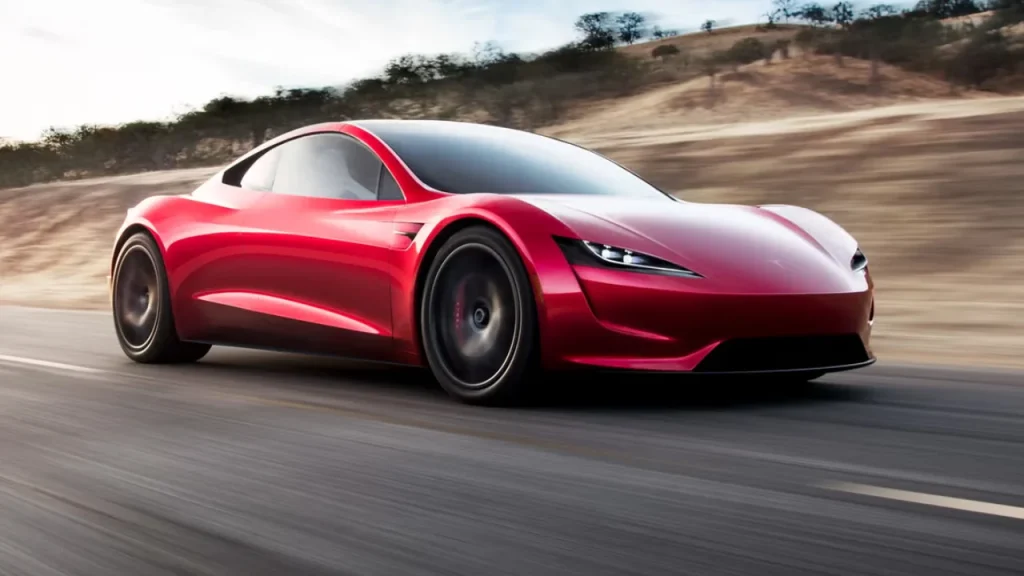
Tesla remains the most recognized name among global EV brands, even as competition tightens around it. Its Model Y and Model 3 continue to sell strongly worldwide, backed by the industry’s most extensive fast charging network. Tesla’s biggest strength is still its software, since over-the-air updates keep older vehicles feeling current.
Known for: Supercharger network, software-driven updates, strong brand loyalty
Pros:
- Best-in-class charging infrastructure almost everywhere
- Frequent software improvements extend vehicle lifespan
- Strong resale value compared to most competitors
Cons:
- Increasing pressure from cheaper Chinese rivals
- Build quality complaints persist across some model years
3. Volkswagen
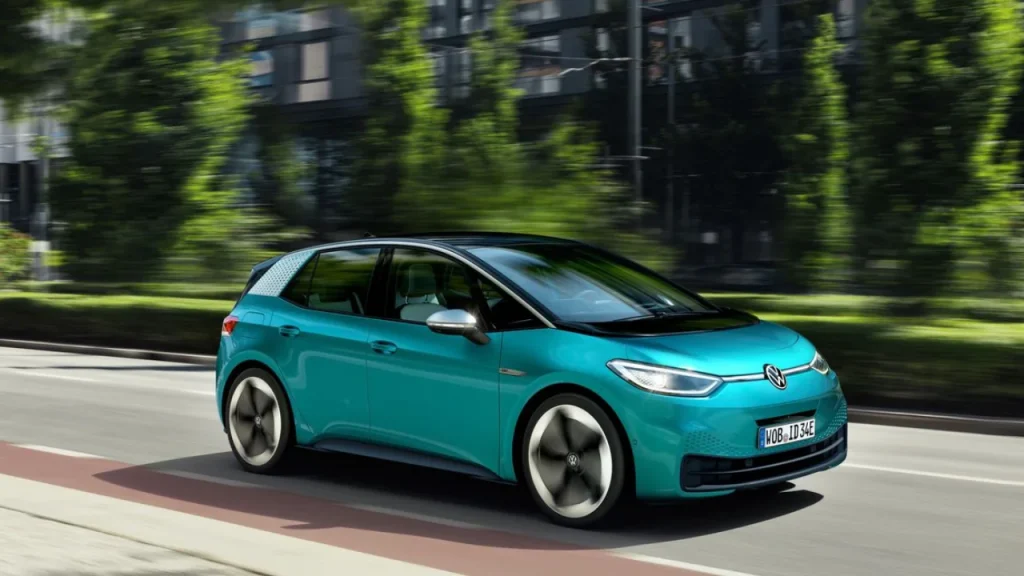
Volkswagen has quietly built one of the strongest legacy transitions among traditional EV brands. Its ID lineup keeps expanding across Europe and beyond, backed by decades of manufacturing trust that newer brands simply cannot replicate overnight. For buyers wary of unproven names, Volkswagen offers a genuinely comfortable middle ground.
Known for: established manufacturing trust, expanding ID lineup, strong European presence
Pros:
- Long-standing reliability reputation eases buyer hesitation
- Wide dealer and service network already in place
- Steady investment into next-generation battery platforms
Cons:
- Software experience has lagged behind newer competitors
- Pricing sits higher than several Chinese alternatives
4. Geely
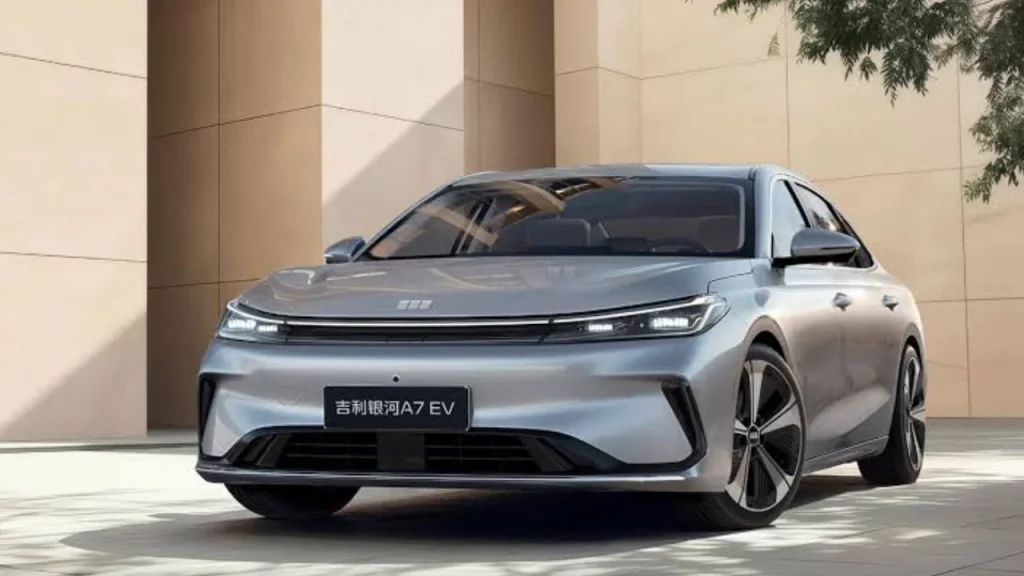
Geely operates one of the widest brand portfolios in the EV world, spanning Volvo, Zeekr, Lynk and Co, and more. That breadth lets it target nearly every price point and buyer preference at once. While a few sub-brands have underperformed lately, Geely’s overall scale keeps it firmly among the leading EV brands globally.
Known for: diverse brand portfolio, broad price coverage, strong Chinese manufacturing base
Pros:
- Portfolio approach covers budget through premium buyers
- Access to shared technology across multiple brands
- Strong domestic manufacturing keeps costs competitive
Cons:
- Performance varies noticeably between sub-brands
- Overall identity feels less unified than single-brand rivals
5. SAIC
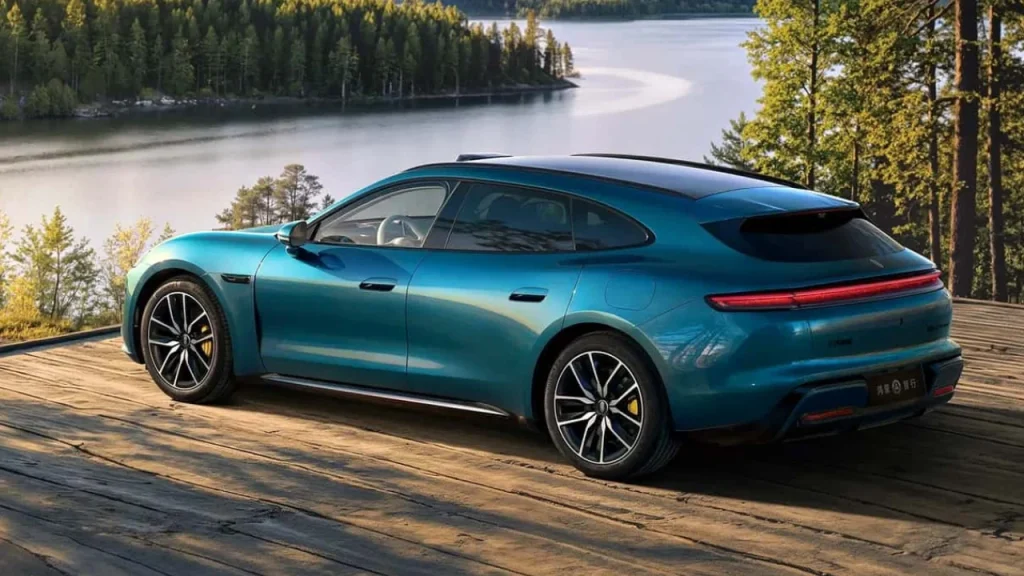
SAIC has built serious momentum through its MG brand, which has become a surprisingly familiar name in markets far beyond China. Competitive pricing and steadily improving design have helped it win over buyers who might otherwise default to legacy brands. It rarely dominates headlines, but its consistent global growth speaks for itself.
Known for: MG brand expansion, competitive global pricing, steady international growth
Pros:
- Strong value proposition across most markets
- Expanding presence well beyond its home market
- Reliable year-over-year sales growth
Cons:
- Less brand prestige compared to premium competitors
- Design language still catching up to segment leaders
6. Hyundai
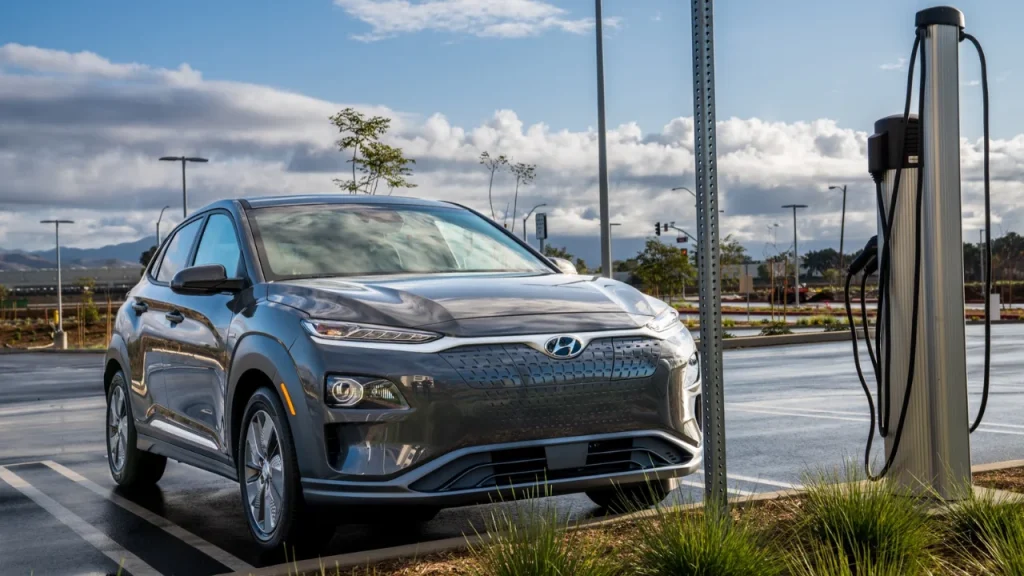
Hyundai, alongside Kia, has made EVs feel approachable rather than experimental, which counts for a lot with mainstream buyers. Its IONIQ lineup combines fast charging speeds with genuinely appealing design, helping it win over buyers stepping away from gasoline for the first time. That approachability keeps it firmly ranked among the leading EV brands today.
Known for: fast charging technology, mainstream appeal, strong design language
Pros:
- Charging speeds that rival premium competitors
- Approachable pricing without feeling like a compromise
- Strong warranty coverage builds buyer confidence
Cons:
- Software ecosystem still trails Tesla’s offering
- Availability varies significantly by region
7. BMW
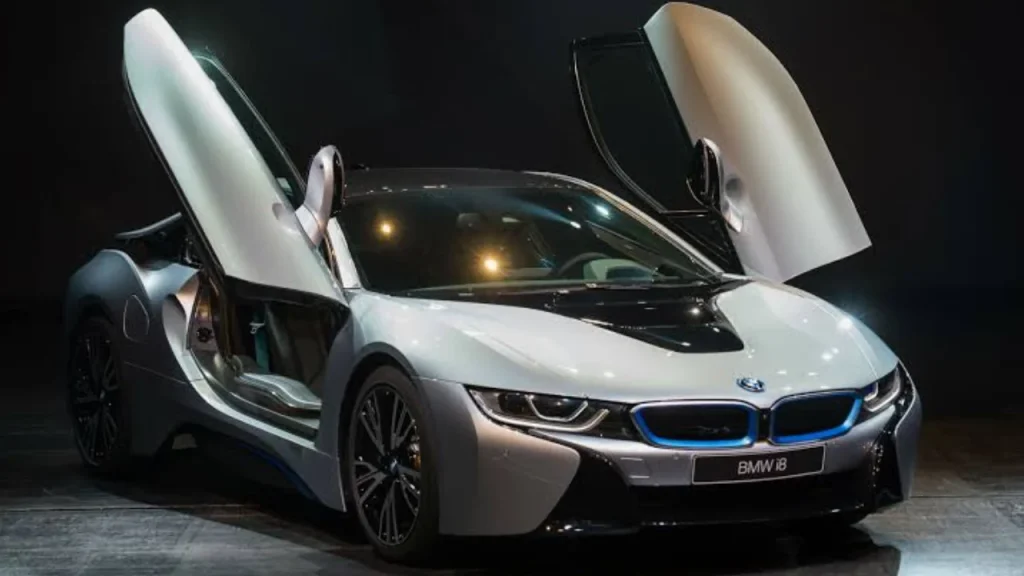
BMW has managed to keep its premium identity intact while shifting seriously toward electrification. Its lineup blends genuine driving performance with the kind of interior quality buyers expect from a luxury badge. Among premium EV brands, BMW remains one of the few that has not sacrificed personality for efficiency.
Known for: premium driving performance, luxury interior quality, strong European engineering
Pros:
- Genuinely engaging driving experience compared to rivals
- Interior quality that matches its premium pricing
- Well-established luxury brand reputation
Cons:
- Higher price point limits mainstream accessibility
- Charging network less extensive than Tesla’s
8. Chery
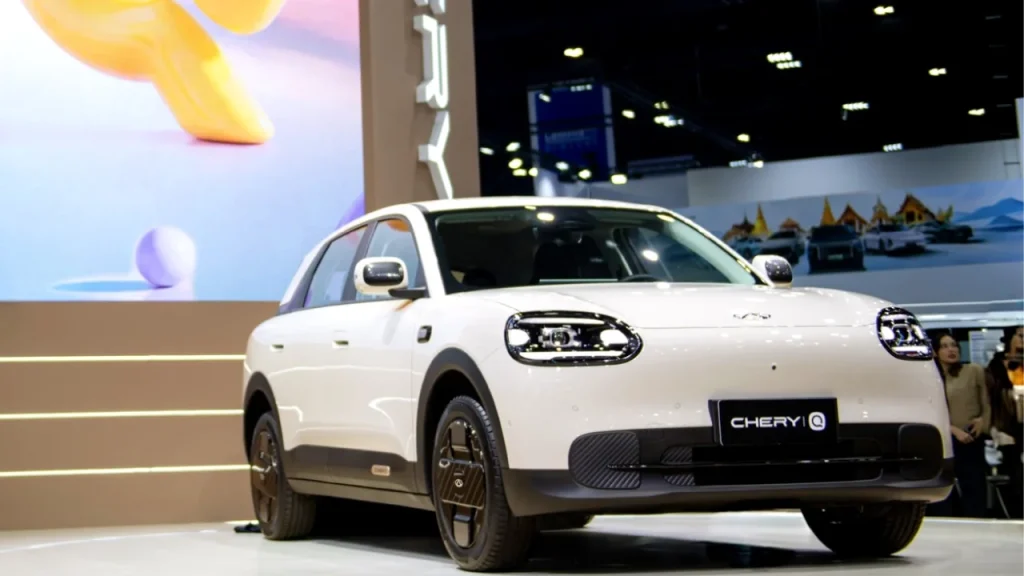
Chery has climbed steadily through the ranks by focusing on export growth rather than chasing domestic headlines. Its competitive pricing and expanding model range have made it a serious contender across Latin America, the Middle East, and parts of Europe. It may lack the brand recognition of bigger names, but its momentum is undeniable.
Known for: export-focused strategy, competitive pricing, expanding global footprint
Pros:
- Strong growth across emerging and international markets
- Genuinely competitive pricing for the features offered
- Rapidly expanding model lineup
Cons:
- Limited brand awareness in mature Western markets
- Long-term reliability data still relatively limited
9. NIO
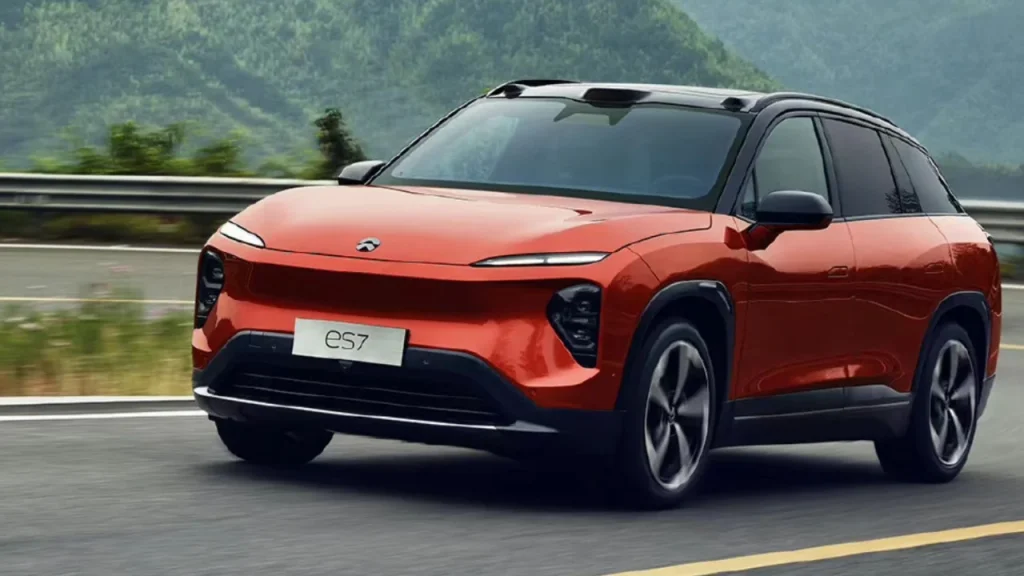
NIO has carved out a distinct identity through its battery swap technology, letting drivers exchange a depleted battery for a full one in minutes. That innovation, paired with a premium interior focus, has made it one of the more talked-about EV brands among tech-forward buyers. Its ambitions remain bold, even if scale still trails the biggest players.
Known for: battery swap technology, premium interior design, tech-forward branding
Pros:
- Battery swap solves charging anxiety in a genuinely unique way
- Strong focus on interior comfort and technology
- Loyal, engaged customer base
Cons:
- Smaller production scale compared to industry leaders
- Battery swap infrastructure limited outside China
10. XPeng
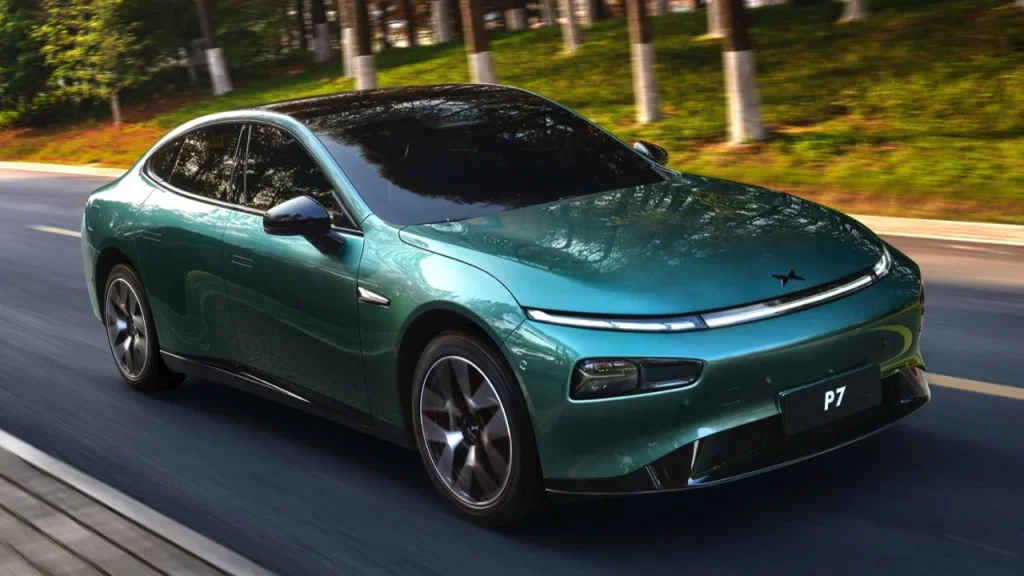
XPeng has positioned itself as one of the more software-focused EV brands, leaning heavily into autonomous driving development and smart cabin features. Its steady model expansion and growing export ambitions suggest a brand still very much on the rise. For buyers drawn to cutting-edge technology over brand heritage, XPeng offers a compelling case.
Known for: autonomous driving development, smart cabin technology, rising export ambitions
Pros:
- Strong focus on advanced driver assistance features
- Competitive pricing relative to its technology offering
- Growing international expansion plans
Cons:
- Brand trust still developing outside core markets
- Less extensive service network than established rivals
Final Thoughts
After weighing sales figures, technology, and everyday reliability across these ten names, my honest opinion is that no single winner covers every buyer’s needs. BYD earns the top spot for sheer scale and value, but Tesla still deserves credit for building the charging infrastructure the rest of the industry now leans on. Among premium EV brands, BMW impresses me most for keeping genuine driving character alive through the transition. Buyers in emerging markets should not overlook Chery or SAIC, since real value often matters more than badge prestige. Whichever name you land on, the smartest move is matching the brand to your actual charging habits and budget, not just chasing whichever EV brand dominates the headlines this month.
My Opnion
I Tesla. Not because it sells the most anymore, BYD has passed it on volume, but because its charging network and software still feel a generation ahead. Owning a Tesla means fewer charging headaches almost anywhere you drive, and over the air updates keep the car improving years after purchase. BYD wins on price and scale, but Tesla still wins on the everyday ownership experience. For someone buying their first EV who wants the fewest surprises and the most reliable infrastructure, Tesla remains the safest, most proven choice overall.