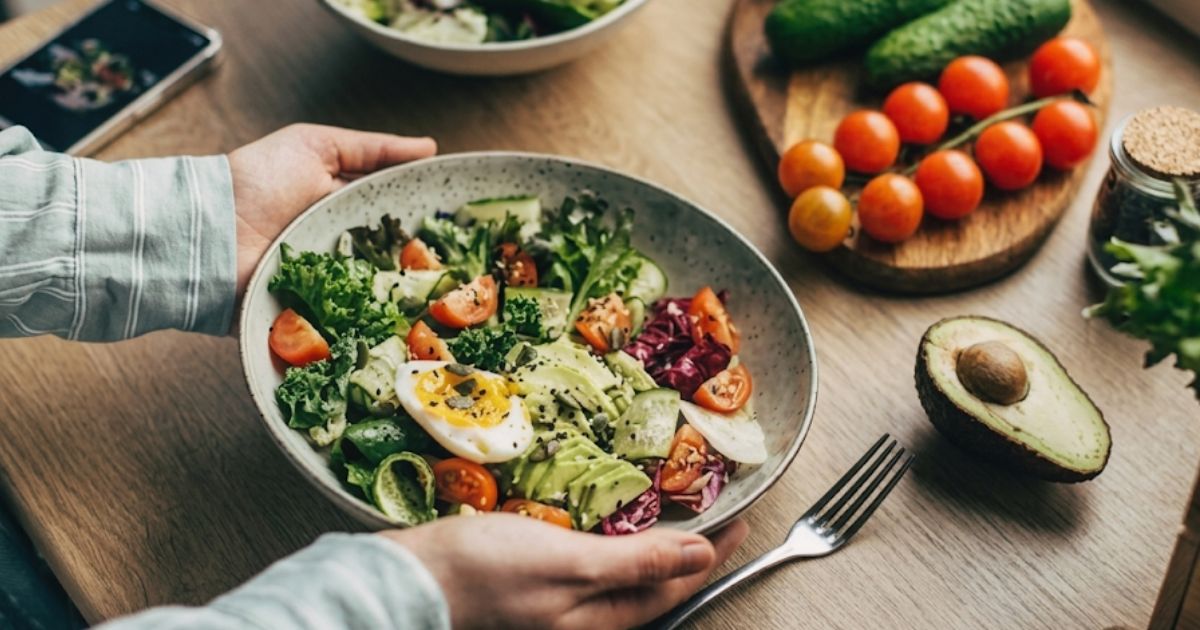
Doctors don’t always agree on everything, but when it comes to daily nutrition, there’s a surprising amount of overlap in what they tell patients to eat. Ask any physician or dietitian what belongs on your plate every single day, and you’ll hear a lot of the same names come up again and again.
That’s because these Foods Doctors Recommend Eating Daily aren’t trendy fads. They’re backed by decades of research on heart health, gut health, brain function, and long-term disease prevention.
In this article, we’re breaking down ten of the most commonly recommended foods that doctors want you eating on a daily basis. We’ll explain why each one matters, what it does inside your body, and how you can realistically fit it into your routine. Let’s dive in.
1. Leafy Green Vegetables
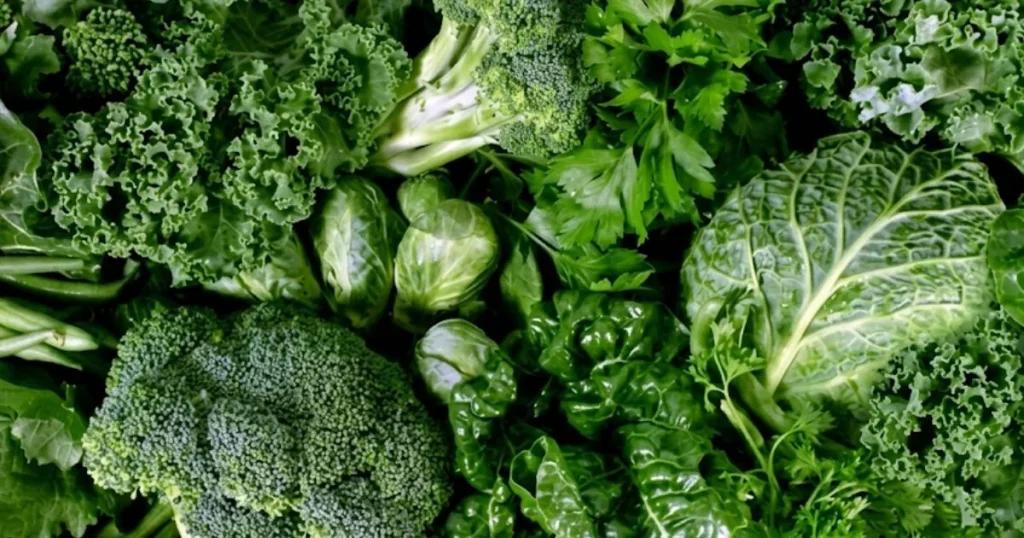
Why Doctors Push Greens So Hard
Doctors love greens because they support heart health, reduce inflammation, and help regulate blood sugar. Regular intake has also been linked to slower cognitive decline as people age, which is a big deal for long-term brain health.
How to Actually Eat Them Every Day
You don’t need to eat a giant salad every meal to get the benefits. Tossing a handful of spinach into a morning smoothie or scrambled eggs works just as well.
Soups, stir-fries, and sandwiches are also easy ways to sneak greens in without much effort. Even a small daily serving adds up significantly over weeks and months.
Pros
- Rich in fiber, vitamins A, C, and K, plus folate
- Supports heart health and reduces inflammation
- Helps regulate blood sugar
- Linked to slower cognitive decline with age
2. Berries

The Antioxidant Powerhouses
Blueberries, strawberries, and raspberries consistently show up among the Foods Doctors Recommend Eating Daily, and for good reason. They’re loaded with antioxidants that fight inflammation and protect cells from damage.
Studies have shown that regular berry consumption is linked to better memory function and a lower risk of heart disease. They’re also naturally sweet, making them a smart substitute for sugary desserts.
Pros
- High in antioxidants that fight inflammation
- Protects cells from damage
- Lowers risk of heart disease
- Natural substitute for sugary desserts
Simple Ways to Add Berries to Your Day
Frozen berries work just as well as fresh ones nutritionally, and they’re often cheaper and last longer. Toss a handful onto oatmeal, yogurt, or cereal for an easy nutrient boost.
Blending berries into smoothies is another effortless option. Even eating a small bowl on their own as a snack counts toward your daily intake.
3. Fatty Fish

Why Omega-3s Matter So Much
Salmon, mackerel, and sardines are frequently mentioned by doctors because of their high omega-3 fatty acid content. These healthy fats are essential for heart and brain health.
Omega-3s help lower triglycerides, reduce inflammation, and may even lower the risk of depression and anxiety. That’s a lot of benefit packed into one food group.
Making Fish a Regular Habit
Doctors generally recommend eating fatty fish at least two to three times a week, though daily small portions work too if you enjoy it. Canned salmon or sardines are budget-friendly and require zero cooking skills.
If fresh fish feels intimidating, pre-marinated fillets or frozen options make weeknight cooking much simpler. Even a fish-based lunch a few times a week adds up over time.
Pros
- High in omega-3 fatty acids
- Supports heart and brain health
- Lowers triglycerides
- Reduces inflammation
- May lower risk of depression and anxiety
4. Nuts and Seeds
Small Bites, Big Benefits
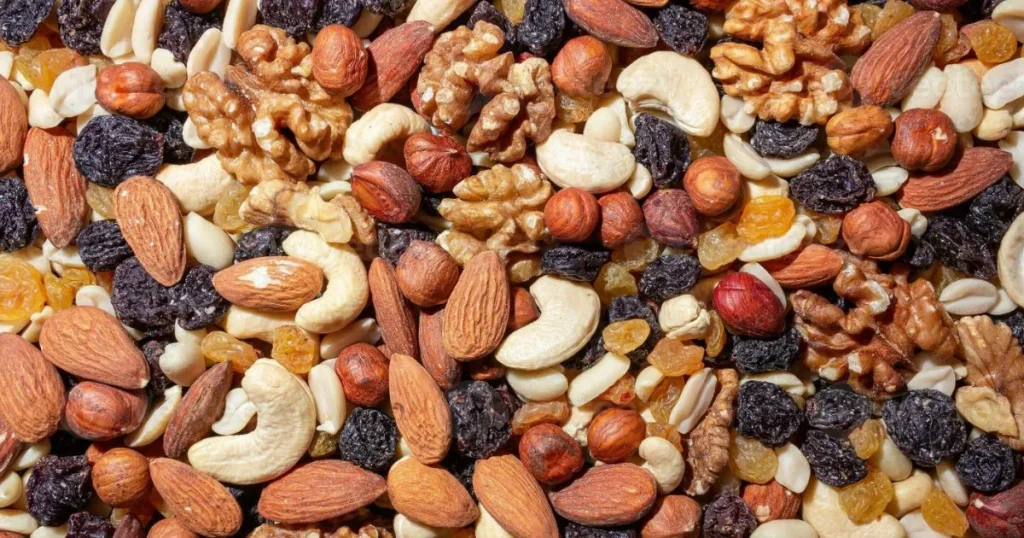
Almonds, walnuts, chia seeds, and flaxseeds are staples among the Foods Doctors Recommend Eating Daily. They’re rich in healthy fats, fiber, and plant-based protein.
Doctors often point to nuts as one of the easiest ways to support heart health without much effort. Just a small handful daily has been linked to lower cholesterol and reduced risk of heart disease.
Easy Ways to Include Them
A small handful of mixed nuts makes a perfect on-the-go snack that requires zero preparation. Sprinkling chia or flax seeds onto yogurt, oatmeal, or smoothies is another effortless habit to build.
Nut butters spread on toast or fruit are also an easy daily addition. Just be mindful of portion sizes, since nuts are calorie-dense.
Pros
- Rich in healthy fats, fiber, and plant-based protein
- Supports heart health
- Linked to lower cholesterol
- Reduces risk of heart disease
5. Whole Grains
Fiber That Fuels Your Body
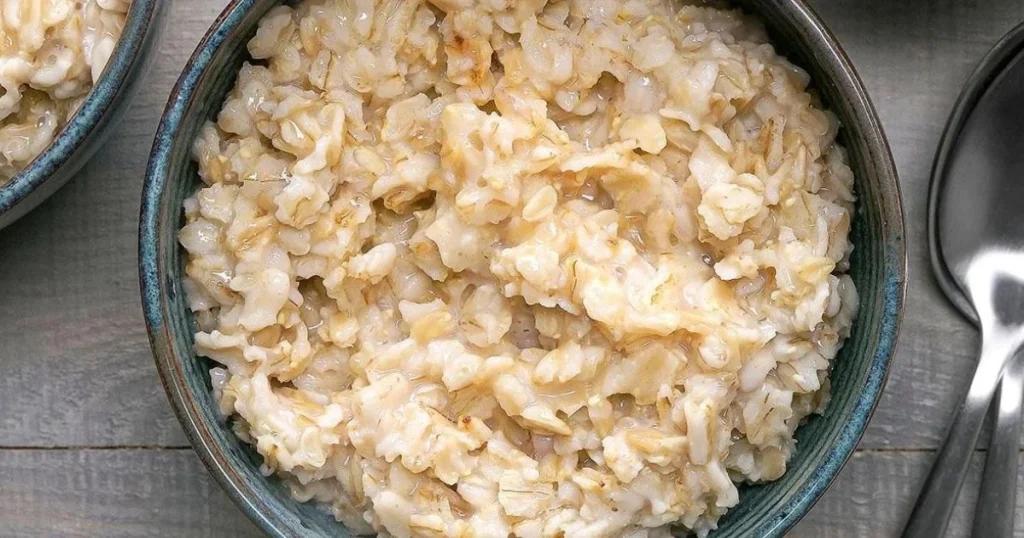
Oats, quinoa, and brown rice are frequently recommended because of their high fiber content. Fiber plays a huge role in digestion, blood sugar control, and heart health.
Doctors emphasize whole grains over refined grains because they digest more slowly, keeping energy levels steadier throughout the day. This steadier release also helps prevent the blood sugar spikes linked to processed carbs.
Building Whole Grains Into Meals
Swapping white rice for brown rice or quinoa is one of the simplest changes you can make. Starting your morning with a bowl of oatmeal is another easy, low-effort habit.
Whole grain bread instead of white bread is another small swap that adds up. These little changes rarely require extra cooking time or effort.
Pros
- High in fiber
- Aids digestion
- Helps control blood sugar
- Digests slowly for steadier energy levels
- Prevents blood sugar spikes
6. Greek Yogurt

Gut Health and Protein in One Package
Greek yogurt has become a favorite among doctors because it delivers both probiotics and protein in a single food. Probiotics support gut health, which increasingly appears connected to immunity and even mental health.
The protein content also helps keep you full longer, making it a smart choice for weight management. Unlike many processed snacks, it delivers real nutritional value.
Simple Daily Habits With Yogurt
Plain Greek yogurt topped with berries and a drizzle of honey makes a quick, doctor-approved breakfast or snack. It also works well as a substitute for sour cream or mayonnaise in recipes.
Choosing plain over flavored varieties helps avoid unnecessary added sugar. This small choice makes a noticeable difference over time.
Pros
- Contains probiotics for gut health
- High in protein, keeps you full longer
- Supports immunity
- May support mental health
- Good for weight management
7. Avocados
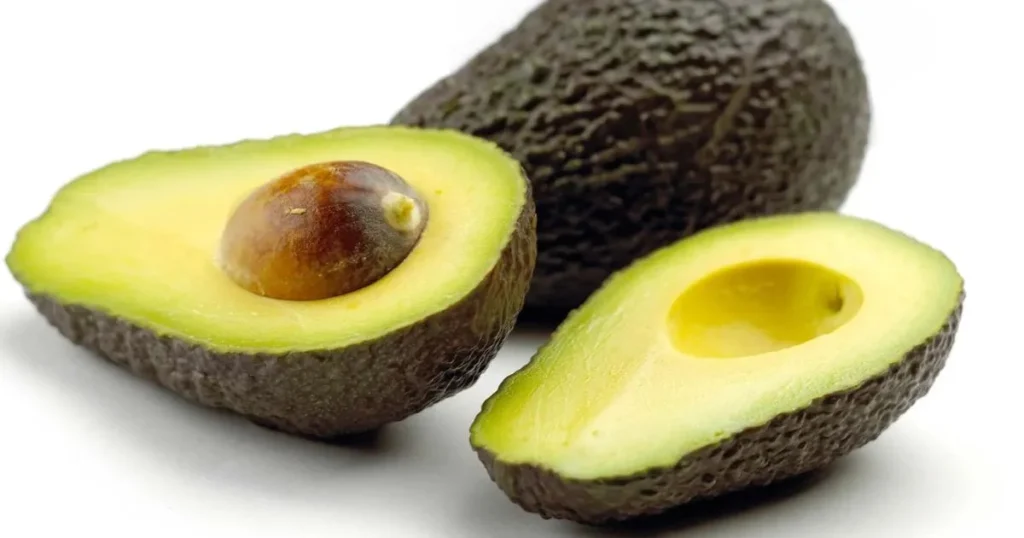
Healthy Fats That Actually Help
Avocados are one of the most talked-about Foods Doctors Recommend Eating Daily, thanks to their monounsaturated fat content. These healthy fats support heart health and help your body absorb other nutrients more effectively.
They’re also rich in potassium, which supports healthy blood pressure levels. Few foods manage to be both indulgent and genuinely good for you at the same time.
Fitting Avocados Into Everyday Meals
Half an avocado on toast has become a breakfast classic for good reason. Adding avocado slices to salads, sandwiches, or eggs is another quick and simple option.
Mashing it into a quick guacamole works well as a snack too. Just remember that portion control matters, since avocados are calorie-dense.
Pros
- Contains monounsaturated healthy fats
- Supports heart health
- Helps absorb other nutrients better
- Rich in potassium for healthy blood pressure
8. Legumes
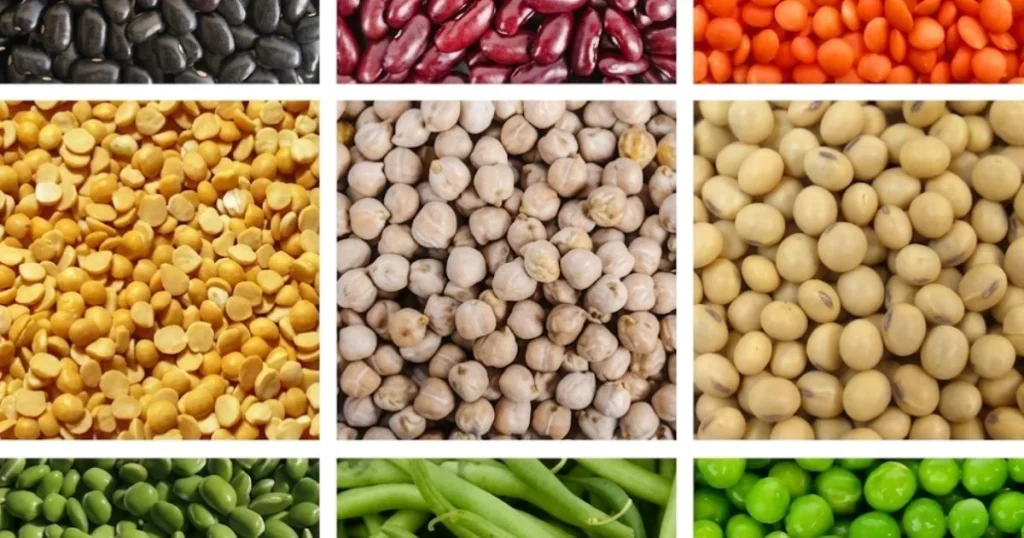
Plant-Based Protein Powerhouses
Beans, lentils, and chickpeas are staples in most doctor-recommended diets because they combine protein and fiber so effectively. This combination helps stabilize blood sugar and keeps you feeling fuller for longer.
Legumes are also linked to lower cholesterol and improved heart health over time. They’re an affordable, accessible way to boost your daily nutrient intake.
Making Legumes a Daily Staple
Adding a scoop of lentils or chickpeas to soups and salads is an easy way to build the habit. Canned beans, rinsed well, make meal prep fast and simple.
Hummus made from chickpeas is a great daily snack paired with vegetables. Even small daily servings contribute meaningfully to overall health.
Pros
- Combines protein and fiber effectively
- Stabilizes blood sugar
- Keeps you feeling full longer
- Lowers cholesterol
- Improves heart health
- Affordable and accessible
9. Citrus Fruits
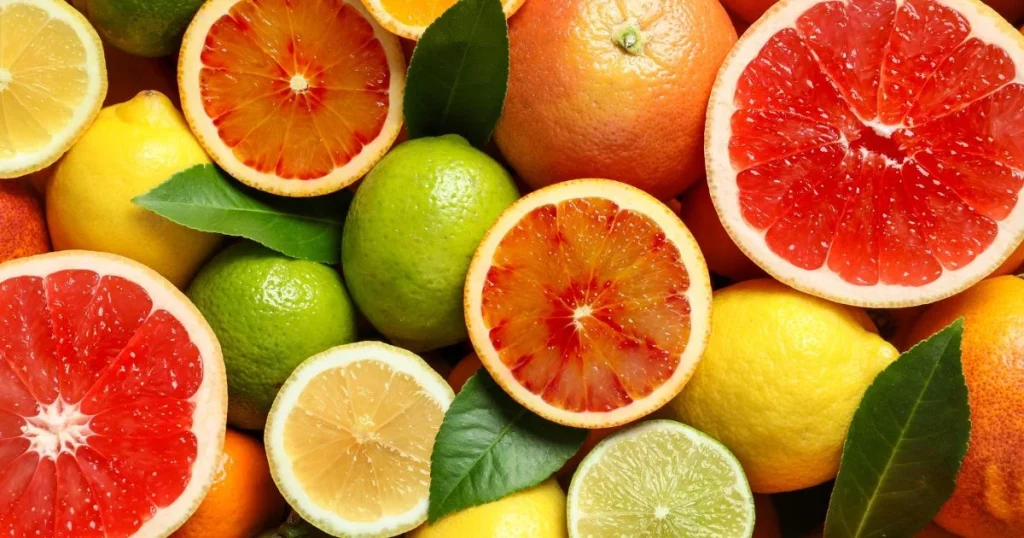
Vitamin C and Beyond
Oranges, grapefruits, and lemons are frequently highlighted for their vitamin C content, which supports immune function and skin health. They also contain fiber and antioxidants that offer additional protection against chronic disease.
Doctors often recommend whole citrus fruit over juice, since juice lacks the fiber and contains more concentrated sugar. Eating the whole fruit gives you a fuller nutritional package.
Easy Ways to Eat More Citrus
Starting your morning with half a grapefruit or an orange is a simple, refreshing habit. Adding lemon juice to water or salad dressings is another effortless way to include citrus daily.
Keeping easy-to-peel citrus fruits on your counter makes grabbing one as a snack far more likely. Small, visible reminders often make healthy habits stick.
Pros
- High in vitamin C
- Supports immune function and skin health
- Contains fiber and antioxidants
- Protects against chronic disease
10. Dark Chocolate

The Surprising Doctor-Approved Treat
Dark chocolate, particularly varieties with 70% cocoa or higher, has earned a spot among the Foods Doctors Recommend Eating Daily thanks to its antioxidant content. It contains flavonoids that support heart health and may even improve blood flow.
Doctors are quick to note that moderation matters here more than with other foods on this list. Still, a small daily serving is genuinely linked to real health benefits.
Enjoying Dark Chocolate the Right Way
A small square or two after dinner satisfies cravings without derailing your health goals. Pairing it with nuts or berries adds even more nutritional value to the treat.
Choosing high-cocoa-content chocolate over milk chocolate makes a noticeable difference. This is one recommendation that’s easy to look forward to every single day.
Pros
- Contains antioxidants (flavonoids)
- Supports heart health
- May improve blood flow
- Satisfies cravings in a healthier way
Common Mistakes to Avoid
Overcomplicating Healthy Eating
A lot of people assume eating well requires elaborate meal plans or expensive ingredients. In reality, most of the Foods Doctors Recommend Eating Daily are simple, affordable, and already available at your local grocery store.
Overthinking nutrition often leads to giving up entirely. Keeping things simple makes healthy eating far more sustainable in the long run.
Skipping Meals to “Save Calories”
Some people try to cut back by skipping meals altogether, thinking it helps with weight management. Doctors generally discourage this, since it often leads to overeating later and makes it harder to fit in nutrient-dense foods.
Spreading these foods across smaller meals throughout the day tends to work better. Consistent, balanced eating supports steadier energy and better long-term results.
How to Build a Daily Routine Around These Foods
Start With Breakfast
Mornings are often the easiest place to build good habits, since breakfast tends to be more routine than other meals. Adding berries to oatmeal or yogurt to your morning meal is a simple starting point.
Once breakfast feels automatic, it becomes much easier to layer in other foods throughout the day. Small wins early in the day often carry momentum forward.
Layer Foods Into Lunch and Dinner
Lunch and dinner offer more flexibility for including leafy greens, legumes, whole grains, and fatty fish. Building a habit of adding at least one of these foods to every meal simplifies the process considerably.
Meal prepping on weekends can make weekday eating far less stressful. Having washed greens, cooked grains, or portioned nuts ready to go removes a lot of daily decision-making.
Snack Smarter
Snacking is often where poor nutrition choices sneak in the most. Swapping chips or candy for nuts, berries, or a square of dark chocolate keeps things satisfying without derailing your goals.
Keeping these snacks visible and accessible at home or work makes a noticeable difference. People tend to eat what’s easiest to reach, so make the healthy option the easy option.
Doctors will tell you that no single food is magic on its own. The real benefit comes from consistently including these Foods Doctors Recommend Eating Daily as part of your regular routine.
Small, sustainable habits tend to outperform dramatic, short-lived diet changes. Building these foods into your everyday meals, rather than treating them as occasional additions, is what actually moves the needle over time.
Bringing It All Together
Eating well doesn’t have to feel complicated or restrictive. Many of these Foods Doctors Recommend Eating Daily are affordable, widely available, and easy to prepare with minimal effort.
Start small by adding just one or two of these foods into your current routine. Over time, layering in more of them can genuinely support better heart health, sharper brain function, and stronger long-term wellness.
Final Thoughts
At the end of the day, good nutrition comes down to consistency, not perfection. These ten foods represent some of the most trusted, doctor-backed choices for daily eating.
Whether it’s a handful of berries, a spoonful of yogurt, or a square of dark chocolate, small daily choices add up. Making these Foods Doctors Recommend Eating Daily part of your normal routine is one of the simplest ways to invest in your long-term health.