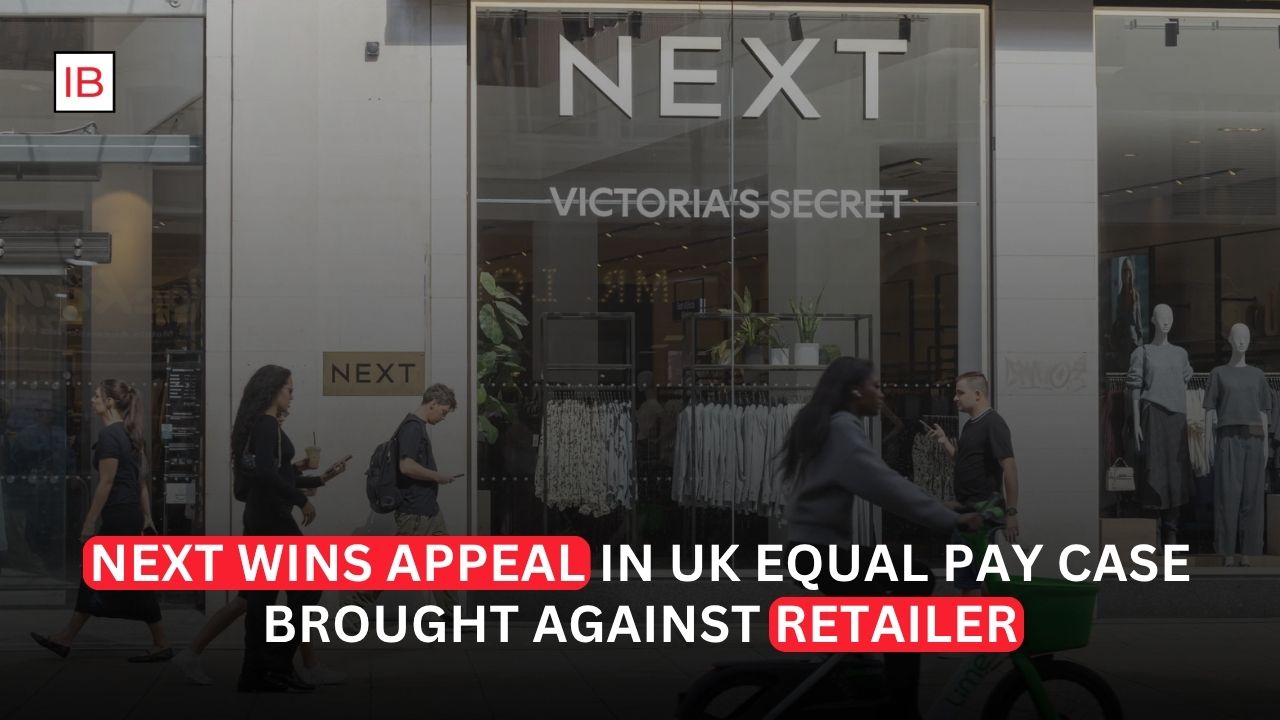
British retailer Next has won a significant appeal in a long-running UK equal-pay dispute, with an Employment Appeal Tribunal ruling that the company was justified in paying warehouse workers higher basic hourly wages than shop-floor employees.
The decision overturns a key part of an August 2024 Employment Tribunal ruling that had found more than 3,500 predominantly female store workers were entitled to the same basic hourly pay as warehouse operatives. The wider litigation has since expanded, with more than 6,000 current and former Next employees now involved in the claims.
The dispute centers on the different pay rates offered to employees working in Next’s stores and warehouses. Store workers, who are predominantly women, argued that their jobs were of equal value to those performed by warehouse employees, who are more evenly split by gender and generally received higher basic pay.
Next did not challenge the original finding that the two groups performed work of equal value. Instead, the retailer argued that differences in pay were justified by the labor market conditions it faced when recruiting and retaining warehouse staff.
The Employment Appeal Tribunal accepted that argument in relation to basic pay. It found that Next had a legitimate business reason for offering higher wages to warehouse employees because of recruitment and retention pressures affecting that part of its workforce. The decision effectively recognizes that employers can take market conditions into account when setting different pay rates for jobs that have already been determined to be of equal value.
Next described the judgment as a landmark victory, arguing that retailers must retain the ability to pay market rates where necessary to attract and retain workers. The company had warned that a requirement to equalize basic pay could increase costs across its store network and put retailers that operate their own distribution facilities at a disadvantage compared with businesses that outsource warehousing.
The ruling, however, does not amount to a complete victory for Next. The appeal tribunal rejected the company’s challenge to findings that its pay practices disadvantaged women. It also left intact findings concerning lower rates for night work, overtime and unpaid rest breaks. The question of whether lower Sunday premium payments were justified remains unresolved and is expected to return to the Employment Tribunal.
That distinction is important because the case is not simply about whether warehouse workers can earn more than shop assistants. The central legal question is how far an employer can rely on labor-market forces to justify a pay difference where the jobs have already been judged to have equal value.
Lawyers representing the store workers criticized the ruling on basic pay, arguing that market conditions can themselves be responsible for gender-related pay disparities. Because warehouse labor markets are more heavily male and store workforces more heavily female, they say allowing market rates to justify the difference risks turning the underlying source of the disparity into the legal justification for it. The workers’ legal team has indicated that it intends to appeal.
The case could therefore have consequences well beyond Next. UK retailers and other large employers have faced a series of equal-pay claims involving predominantly female shop workers and better-paid warehouse or distribution employees. Similar litigation against Tesco has involved tens of thousands of claimants and has already reached the Court of Appeal, with further proceedings continuing. The UK Supreme Court lists a Tesco appeal concerning the meaning of “work” in equal-value claims among its employment cases.
For employers, the Next ruling offers greater flexibility in responding to shortages and recruitment pressures in particular parts of their workforce. For workers and unions, however, it raises concerns that persistent labor-market differences between predominantly male and female occupations could become a continuing justification for unequal pay.
The immediate financial implications for Next will depend on the remaining elements of the litigation. While the company has secured a major defense of its basic-pay structure, claims relating to other pay components have not disappeared. The ruling therefore reduces one potentially significant liability while leaving the broader equal-pay dispute unresolved.
The case also arrives at a sensitive time for Britain’s retail industry, where employers are under pressure from higher labor costs, changing consumer behavior and persistent recruitment challenges. The tribunal’s decision may give retailers more room to respond to those pressures through differentiated wages, but the continuing legal challenges mean the boundaries of that flexibility remain unsettled.