Radiant World, a company that rose from relative obscurity to become one of the world’s largest iron ore traders, is facing mounting scrutiny after several major commodity trading houses and banks began pulling back from doing business with it over concerns about the validity of documents it had provided to lenders.
A Rapid, Little-Noticed Rise
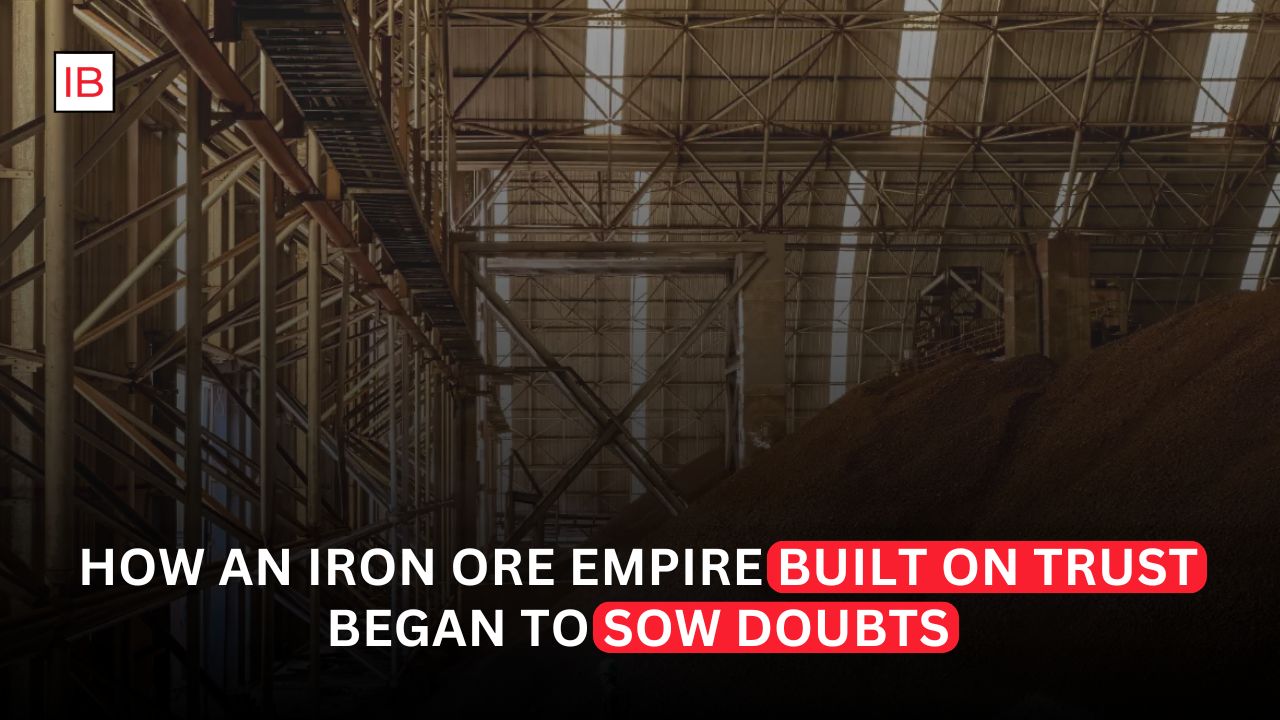
Radiant World is largely unknown outside the commodities industry, but over the past decade it has grown rapidly to become one of the largest traders of iron ore, the world’s most heavily traded commodity after oil. During its ascent, the company forged extensive relationships with major producers, trading houses, and banks, building the kind of trust that allowed it to scale quickly within a notoriously insular and relationship-driven industry. That same foundation of trust is now precisely what has come under question.
Major Trading Houses Step Back
According to Bloomberg, both Vitol Group and Cargill Inc. have stopped trading with Radiant World entirely, having done no business with the company for several months, while Glencore Plc has paused entering into any new deals with the firm while it monitors the situation closely. The moves stem from concerns that two of the trading houses had found invoices or other trade documents Radiant World provided to its banks that turned out not to be valid. A third trading house reportedly pulled back after its own traders were told by industry contacts about concerns over falsified documents that the company considered credible enough to act on.
Beyond the trading houses themselves, the fallout has reportedly extended into the banking sector as well. Italian lender Intesa Sanpaolo has booked provisions of roughly 200 million euros against its exposure to Radiant World, though the bank has indicated its coverage is now largely secured and expects no impact on its 2026 net profit as a result.
Radiant World Pushes Back Firmly
The company has categorically denied any wrongdoing. In a statement, Radiant World said “the claims are inaccurate and unsubstantiated” and insisted it continued to operate normally, adding: “Radiant World conducts its business to the highest commercial and legal standards and complies with all due diligence requirements with its lending partners.” The company also stated it continues to execute physical commodity transactions across its global platform and maintains longstanding relationships with its commercial and financing partners.
Radiant World said its internal policy prevents it from commenting on “purported discussions involving specific customers, suppliers, lenders,” limiting how directly it can respond to the specific allegations raised in reporting on the matter. Representatives for Glencore and Vitol declined to comment when asked, while Cargill did not immediately respond to requests for comment.
An Unresolved Situation With High Stakes
Bloomberg’s reporting did not specify how many transactions were affected by the document concerns, nor whether any formal investigation has been opened by regulators or law enforcement. That leaves considerable uncertainty hanging over one of the fastest-growing companies in the global iron ore trading market, an industry where relationships and trust between counterparties function as essential infrastructure for facilitating billions of dollars in transactions.
Much now depends on what banks and remaining trading partners uncover as they conduct their own reviews of the situation. Should confidence in the company be restored, Radiant World could continue the rapid expansion that made it a significant player in global iron ore markets in the first place. If concerns deepen instead, the company could face a much more serious unwind of the relationships that enabled its rise.
Why This Matters for Commodity Markets
The episode underscores a broader vulnerability within global commodity trading, an industry that has historically relied heavily on trust-based relationships and trade finance documentation to facilitate the physical movement of raw materials worth enormous sums. When questions arise about the authenticity of underlying trade documents, the ripple effects can extend quickly across banks, trading counterparties, and insurers, all of whom depend on accurate documentation to manage their own risk exposure.
What Comes Next
With major trading houses already stepping back and a significant bank provisioning against its exposure, Radiant World’s next moves, along with any findings from ongoing reviews by its remaining partners, will likely determine whether this episode proves to be a contained reputational setback or the beginning of a more serious unraveling for a company that built its rapid rise on the industry’s trust.