Extreme Temperatures Reduce Electricity Generation Just as Demand for Cooling Surges Across the Continent
Europe’s increasingly frequent and intense heat waves are exposing vulnerabilities in energy systems once considered among the world’s most reliable. Prolonged periods of extreme heat are simultaneously driving electricity demand to record highs while reducing the output of several major power sources, including nuclear plants, gas-fired generators, wind farms, and even solar installations. The result is a growing challenge for governments and utilities as climate-related disruptions reshape how Europe produces and consumes electricity.
The continent has experienced repeated heat waves in recent summers, but recent events have shown that rising temperatures are no longer isolated weather events—they are becoming a structural risk for Europe’s energy infrastructure. Utilities are increasingly forced to balance surging demand for air conditioning with declining generation capacity during the hottest periods of the year.
Electricity Demand Climbs as Temperatures Rise
Hot weather significantly increases electricity consumption across Europe as households, businesses, hospitals, and public facilities rely more heavily on cooling systems.
Higher temperatures lead to:
- Increased use of air conditioning.
- Greater electricity demand during daytime peaks.
- Higher pressure on transmission networks.
- Rising wholesale electricity prices.
Although air conditioning penetration remains lower than in many parts of North America and Asia, its use has grown rapidly as European summers become hotter.
Nuclear Power Faces Cooling Constraints
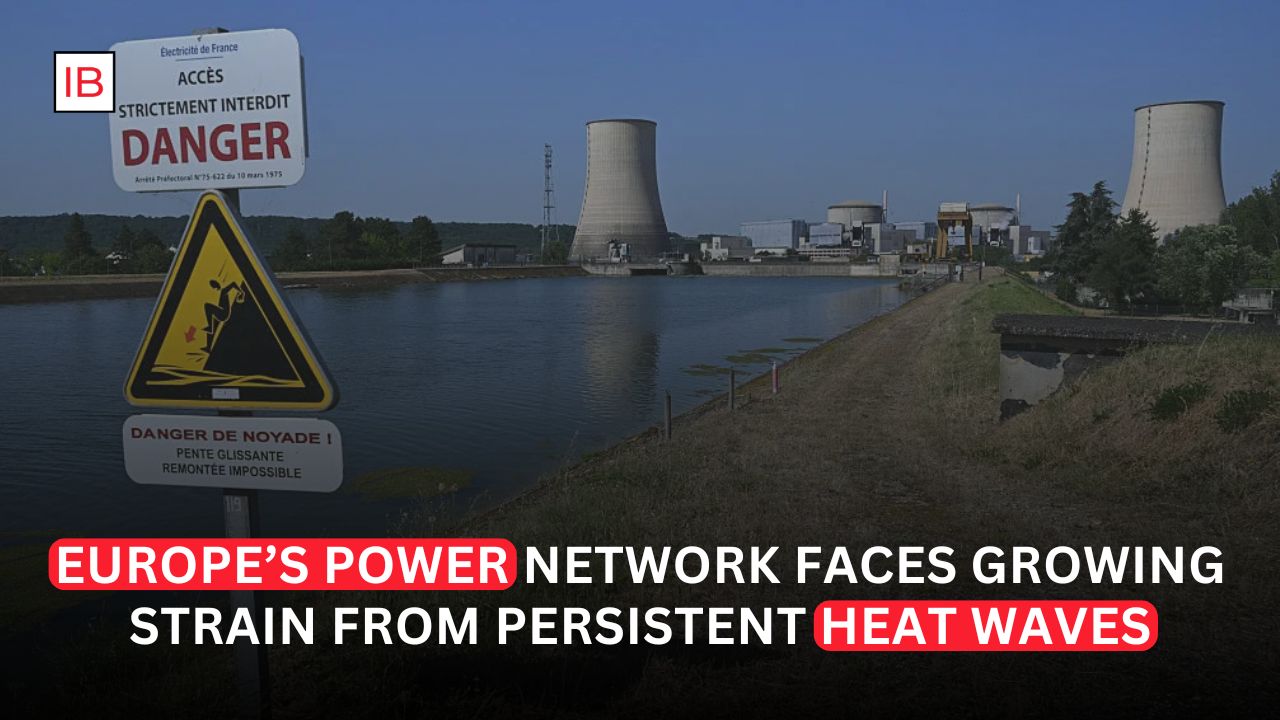
One of the biggest challenges comes from Europe’s nuclear power fleet.
Many nuclear stations depend on rivers for cooling. During heat waves:
- River temperatures rise.
- Water levels fall because of drought.
- Environmental regulations restrict the release of warmer cooling water.
- Reactors are forced to reduce output or temporarily shut down.
France, which operates Europe’s largest fleet of nuclear reactors, has repeatedly reduced generation during periods of extreme heat because several plants use river water for cooling.
Heat Also Affects Other Energy Sources
The impact extends beyond nuclear power.
Extreme temperatures reduce the efficiency of:
- Natural gas turbines, which operate less efficiently in hot air.
- Solar panels, whose performance declines when panel temperatures become excessively high.
- Wind farms, as heat waves are often accompanied by periods of weak winds.
This means several key electricity sources may produce less power precisely when demand reaches its highest levels.
Higher Prices Become More Common
The combination of lower electricity supply and stronger demand has pushed wholesale electricity prices sharply higher.
Recent heat waves have caused:
- Summer power prices approaching winter levels.
- Increased market volatility.
- Higher costs for utilities and consumers.
- Greater reliance on electricity imports between countries.
Analysts warn that these price swings may become increasingly common as climate change intensifies seasonal weather extremes.
Climate Change Reshaping Energy Planning
Governments and utilities are now adapting long-term investment strategies to improve resilience.
Key priorities include:
- Expanding renewable generation.
- Strengthening electricity grids.
- Increasing battery energy storage.
- Modernizing cooling systems for power plants.
- Improving cross-border electricity connections.
Experts argue that future energy systems must be designed to withstand more frequent heat waves rather than treating them as exceptional events.
Looking Ahead
Europe’s energy sector is entering a period where climate resilience is becoming just as important as generation capacity. Heat waves are no longer affecting only electricity demand—they are also reducing the ability of multiple power sources to generate electricity at the very moment it is needed most. From nuclear reactors constrained by warm rivers to gas plants operating less efficiently and wind farms facing calm conditions, the continent’s traditional energy advantages are increasingly challenged by a changing climate.
As governments continue investing in cleaner energy and modern infrastructure, adapting electricity systems to withstand more frequent extreme weather will become a central objective. Building a resilient power network capable of delivering reliable electricity during prolonged heat waves may prove just as important as expanding renewable energy capacity in Europe’s long-term energy transition.