Investors Welcome Signs of Progress in Iran Talks as Energy Markets Retreat and Equities Gain
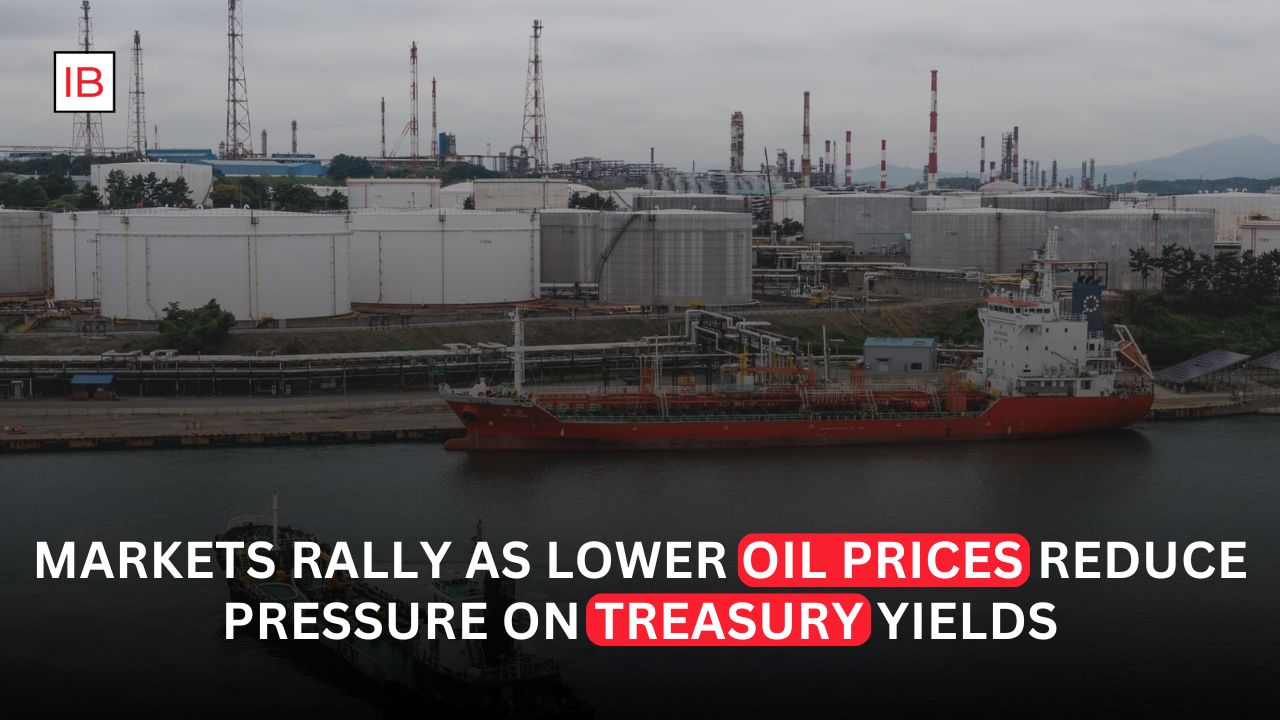
Global financial markets started the week on a more optimistic note as renewed diplomatic efforts involving Iran boosted investor confidence, sending U.S. stock futures higher while oil prices declined sharply. Traders interpreted the latest developments as increasing the likelihood of reduced geopolitical tensions in the Middle East, easing concerns about potential disruptions to global energy supplies and encouraging a broader shift toward risk assets.
Crude oil came under pressure as investors priced in the possibility that successful negotiations could reduce supply risks in one of the world’s most strategically important oil-producing regions. At the same time, equity futures advanced as lower energy prices improved expectations for corporate profitability and inflation, supporting a more favorable outlook for financial markets.
Oil Prices Decline
Crude prices moved lower as geopolitical risk premiums eased.
The decline reflected expectations that:
- Diplomatic negotiations could continue progressing.
- Regional tensions may moderate.
- Risks to global oil supplies could diminish.
- Energy markets may become more stable.
Oil markets have remained highly sensitive to developments involving Iran because of the country’s significant role in global energy production and shipping routes.
US Equity Futures Advance
Lower energy prices helped improve overall market sentiment.
Investors viewed cheaper oil as supportive for:
- Corporate earnings.
- Consumer spending.
- Inflation moderation.
- Economic growth.
As a result, futures linked to major U.S. stock indexes moved higher ahead of the opening trading session.
Diplomacy Remains the Key Driver
Financial markets have increasingly responded to every development in ongoing diplomatic discussions.
Market participants continue monitoring:
- Negotiation progress.
- Official government statements.
- Regional security developments.
- Energy supply outlook.
Even modest signs of diplomatic progress have produced significant movements in commodity and equity markets because of the Middle East’s importance to global oil production.
Lower Oil May Ease Inflation Pressures
Falling energy prices could also help reduce inflation if sustained.
Lower crude prices typically contribute to:
- Reduced fuel costs.
- Lower transportation expenses.
- Moderating production costs.
- Improved consumer purchasing power.
Central banks closely monitor energy prices because they influence broader inflation trends across the global economy.
Investors Remain Cautious
Despite the positive market reaction, analysts caution that negotiations remain uncertain.
Key risks include:
- Unexpected geopolitical developments.
- Delays in diplomatic progress.
- Volatility in energy markets.
- Shifting investor sentiment.
As a result, markets may continue experiencing rapid price movements as new information emerges.
Looking Ahead
The latest market moves illustrate how closely global financial markets remain tied to geopolitical developments in the Middle East. Optimism surrounding renewed diplomatic engagement with Iran encouraged investors to move back toward equities while reducing exposure to energy markets, reflecting hopes that lower geopolitical risks could support both economic growth and moderating inflation.
Although negotiations continue, investors are likely to remain highly sensitive to future headlines. Any meaningful breakthrough could further stabilize energy markets and improve confidence across global financial assets, while setbacks could quickly reverse recent gains. For now, markets appear encouraged by the possibility that diplomacy may help reduce one of the most significant geopolitical risks affecting the global economy.