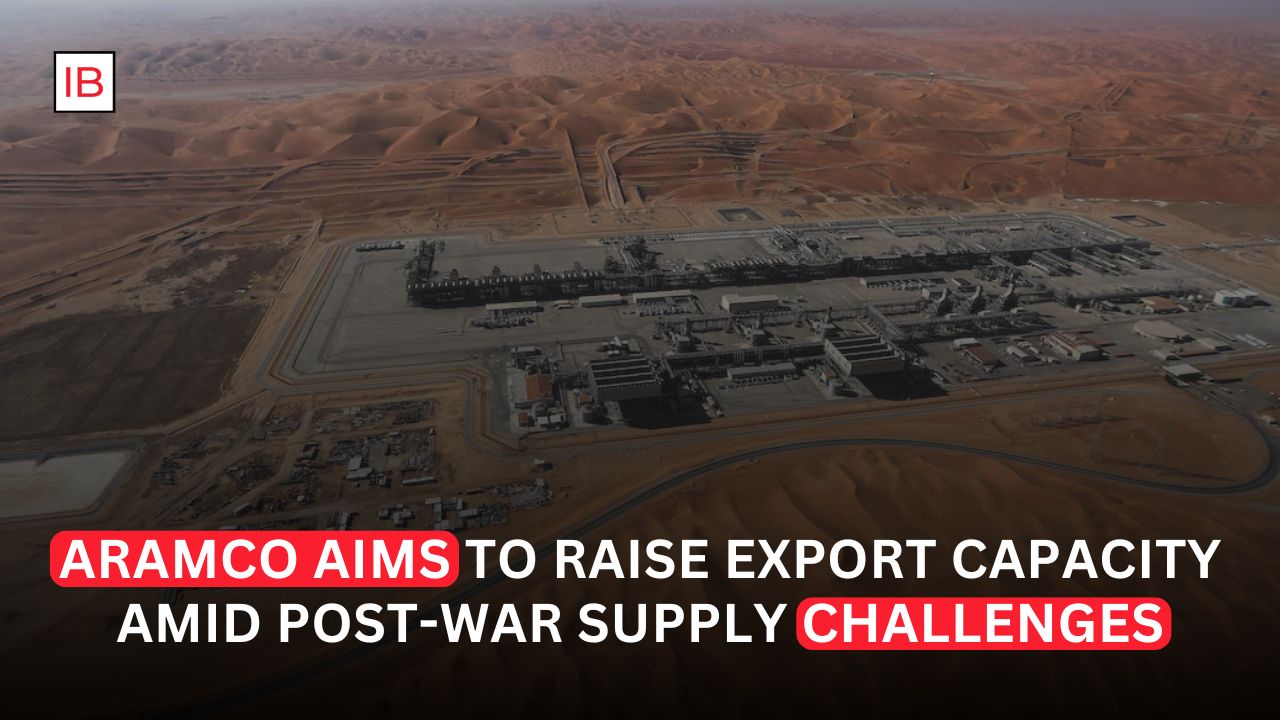
Saudi Energy Giant Maintains Stable Production and Exports After Infrastructure Came Under Attack
Saudi Arabian oil producer Aramco has confirmed that attacks on its energy infrastructure during July did not have a material impact on its operations or financial results, demonstrating the resilience of its production network despite heightened geopolitical tensions across the Middle East. The company said its diversified infrastructure, strategic export routes, and emergency response capabilities allowed it to maintain production and continue supplying customers even after several facilities were targeted.
The announcement came alongside Aramco’s latest financial results, which showed a sharp increase in quarterly profit as higher oil prices boosted earnings. While the conflict surrounding the Strait of Hormuz and subsequent attacks created operational challenges, company executives emphasized that Aramco’s long-term planning and extensive infrastructure investments enabled it to keep crude production and exports largely uninterrupted.
Strategic Infrastructure Protected Operations
Aramco credited several critical assets for maintaining business continuity during the attacks.
Key components included:
- The East-West Pipeline connecting eastern oil fields to the Red Sea.
- Export terminals outside the Strait of Hormuz.
- Large domestic storage facilities.
- Diversified production assets.
- Multiple shipping routes.
Chief Executive Amin Nasser said these assets allowed the company to sustain production, continue exports, and advance major investment projects despite an increasingly difficult security environment. According to Aramco, supply reliability remained above 98% during the quarter, underscoring the effectiveness of its contingency planning.
July Attacks Targeted Energy Facilities
During July, several Saudi energy facilities came under attack amid escalating regional tensions.
The company acknowledged that infrastructure was damaged and that certain facilities required inspection and repairs. However, Aramco stated that after assessing the situation, there had been no material impact on either operations or financial performance by the end of the reporting period.
While some refining assets were temporarily affected, the broader production network continued operating, allowing exports to proceed through alternative routes when necessary.
Oil Prices Boost Quarterly Earnings
Although the attacks created operational challenges, higher global oil prices significantly strengthened Aramco’s financial performance.
The company benefited from:
- Elevated crude prices.
- Strong refined product margins.
- Healthy chemicals demand.
- Stable export volumes.
Second-quarter adjusted net income rose substantially compared with the previous year, exceeding many analyst expectations.
Higher prices were driven largely by supply disruptions resulting from conflict involving Iran and continued uncertainty surrounding shipping through the Strait of Hormuz, one of the world’s most important energy transit routes.
Global Energy Markets Remain Sensitive
The attacks highlighted the importance of Saudi Arabia’s energy infrastructure to global oil markets.
The Strait of Hormuz normally carries a significant share of worldwide crude exports, making any disruption capable of affecting:
- Global oil prices.
- Fuel markets.
- Shipping costs.
- Inflation expectations.
- Energy security.
Although Aramco successfully maintained exports through alternative infrastructure, company executives warned that prolonged regional instability could continue affecting global energy markets.
East-West Pipeline Plays Critical Role
One of the most important reasons Aramco maintained exports was the extensive use of the East-West Pipeline.
This pipeline transports crude oil from eastern production fields to export terminals on Saudi Arabia’s Red Sea coast, allowing shipments to bypass the Strait of Hormuz.
As maritime risks increased, the pipeline became one of the company’s most valuable strategic assets.
Executives indicated that continued investment in diversified export infrastructure has significantly improved Saudi Arabia’s ability to withstand regional disruptions while maintaining global supply commitments.
Security Risks Persist
Despite successfully maintaining operations, Aramco acknowledged that risks remain elevated.
Energy infrastructure throughout the region continues facing potential threats from:
- Missile attacks.
- Drone strikes.
- Maritime disruptions.
- Shipping security concerns.
The company continues monitoring developments closely while strengthening security around critical production and export facilities.
Analysts note that maintaining operational resilience will remain essential as geopolitical uncertainty continues affecting Middle Eastern energy markets.
Long-Term Investment Continues
Even amid regional conflict, Aramco stated that it continues investing in major strategic projects.
These investments include:
- Production expansion.
- Refining capacity.
- Petrochemicals.
- Infrastructure modernization.
- Energy transition initiatives.
Management believes maintaining long-term investment remains critical for meeting future global energy demand while supporting Saudi Arabia’s broader economic development objectives.
Looking Ahead
Aramco’s confirmation that July’s attacks caused no material operational or financial damage highlights the company’s ability to operate under increasingly challenging geopolitical conditions. Extensive investment in diversified infrastructure, particularly the East-West Pipeline and alternative export facilities, enabled the company to continue supplying customers while minimizing disruption despite direct attacks on parts of its energy network. Combined with higher global oil prices, that operational resilience helped deliver another exceptionally strong financial quarter.
Looking forward, the company expects regional security risks to remain an important consideration for global energy markets. While Aramco has demonstrated its capacity to maintain production through periods of instability, continued geopolitical tensions could still influence shipping routes, energy prices, and investment decisions across the oil industry. For now, however, the company’s performance reinforces its position as one of the world’s most resilient and strategically important energy producers.