German Automotive Supplier Seeks Workforce Reduction While Avoiding Compulsory Layoffs
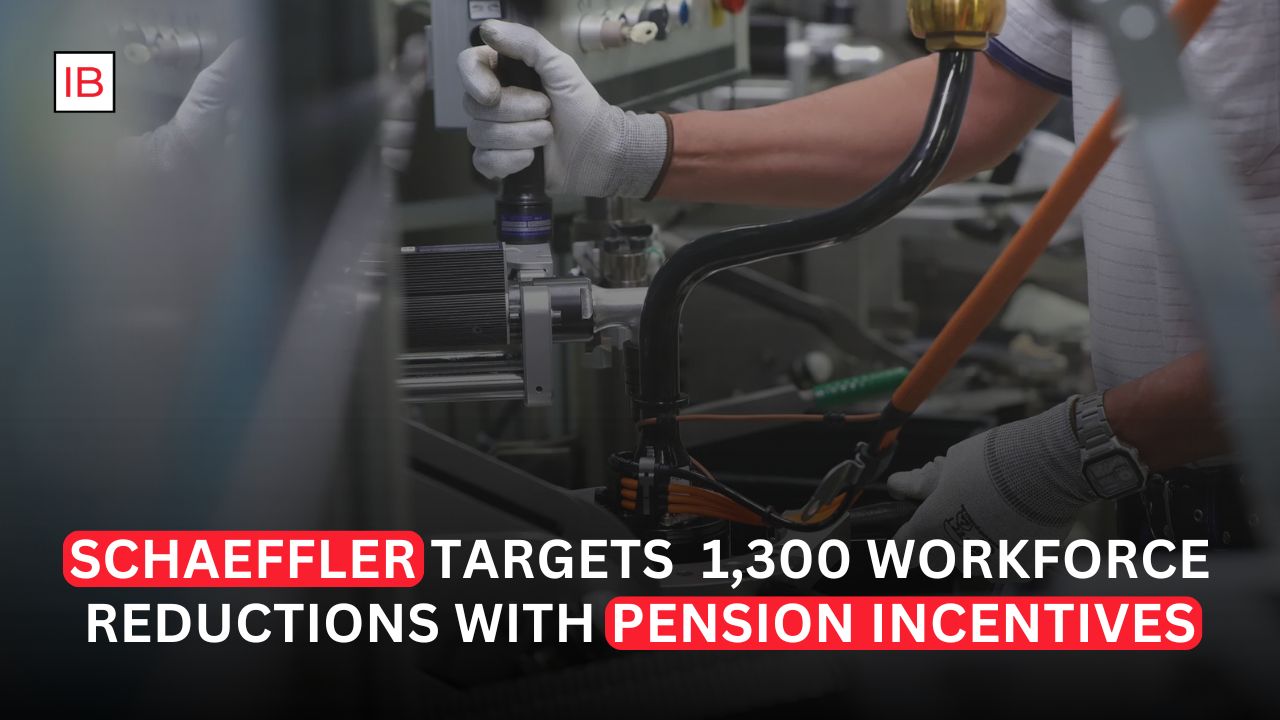
German automotive and industrial supplier Schaeffler plans to reduce its workforce by approximately 1,300 employees through an expanded early retirement and voluntary pension program, as the company continues restructuring its operations to improve efficiency amid mounting pressure on Europe’s automotive sector. Rather than implementing compulsory redundancies, the company intends to encourage eligible employees to retire early, allowing Schaeffler to lower staffing levels while minimizing the social impact of its restructuring efforts.
The planned workforce reduction reflects the broader transformation underway across Europe’s automotive industry as manufacturers and suppliers adapt to slowing vehicle demand, intensifying competition from Chinese automakers, higher production costs, and the rapid shift toward electric vehicles. Companies throughout the sector are increasingly pursuing cost-saving measures while simultaneously investing heavily in electrification, automation, software development, and artificial intelligence to remain competitive in a rapidly evolving global market.
Voluntary Retirement Strategy
Schaeffler’s restructuring plan centers on voluntary participation rather than forced layoffs.
The company intends to achieve workforce reductions through:
- Early retirement packages.
- Voluntary pension incentives.
- Natural employee attrition.
- Internal workforce restructuring.
By encouraging eligible employees to retire ahead of schedule, management hopes to reduce labor costs while maintaining positive relationships with employees and labor representatives.
This approach has become increasingly common among major German industrial companies because strong labor protections often make compulsory layoffs more difficult and expensive.
Responding to Industry Transformation
The automotive industry continues to face significant structural challenges.
Key pressures include:
- Slowing demand in Europe.
- Weaker vehicle sales in China.
- Rising production costs.
- Electric vehicle transition.
- Increased software investment.
- Global competitive pressure.
Suppliers such as Schaeffler must continue investing in next-generation technologies while controlling costs across traditional operations, creating difficult strategic decisions regarding workforce management.
Electric Vehicle Shift Changes Workforce Needs
The transition toward electric mobility is reshaping employment requirements throughout the automotive supply chain.
Compared with traditional combustion-engine vehicles, electric vehicles require different components and manufacturing processes.
Consequently, suppliers increasingly redirect investment toward:
- Electric drive systems.
- Battery technologies.
- Power electronics.
- Digital systems.
- Advanced manufacturing.
These technological shifts require new engineering expertise while reducing demand for some traditional automotive manufacturing roles.
Cost Control Remains Priority
Management has emphasized improving operational efficiency as one of its major strategic priorities.
The workforce adjustment supports broader efforts including:
- Productivity improvements.
- Manufacturing optimization.
- Digital transformation.
- Supply chain efficiency.
- Capital discipline.
Executives believe these initiatives will strengthen Schaeffler’s long-term competitiveness while allowing continued investment in future growth technologies.
German Auto Industry Under Pressure
Schaeffler’s announcement follows similar restructuring efforts throughout Germany’s automotive sector.
Many manufacturers and suppliers have recently announced:
- Workforce reductions.
- Cost-saving initiatives.
- Factory optimization.
- Production consolidation.
- Voluntary retirement programs.
The industry continues adapting to rapidly changing global conditions while competing with increasingly aggressive international manufacturers.
Chinese electric vehicle companies, in particular, have significantly increased competitive pressure across global markets.
Employee Protections Remain Important
Germany’s labor system encourages negotiated solutions between employers and employee representatives.
As a result, many restructuring programs prioritize:
- Voluntary departures.
- Retirement incentives.
- Internal transfers.
- Workforce retraining.
Such measures often reduce the need for compulsory layoffs while helping companies adjust staffing levels over longer periods.
This cooperative approach remains a defining feature of Germany’s industrial relations system.
Investment in Future Technologies Continues
Despite workforce reductions, Schaeffler continues investing in technologies supporting long-term growth.
Strategic priorities include:
- Electrification.
- Industrial automation.
- Robotics.
- Artificial intelligence.
- Digital manufacturing.
- Sustainable mobility.
Management argues that maintaining technological leadership requires balancing current cost reductions with continued investment in innovation.
Global Economic Conditions Add Pressure
Broader economic uncertainty has also contributed to restructuring decisions.
Companies throughout the automotive sector continue managing challenges including:
- Higher financing costs.
- Slower global growth.
- Supply chain adjustments.
- Trade uncertainty.
- Currency fluctuations.
Improving operational efficiency therefore remains essential for preserving profitability while maintaining flexibility for future investment opportunities.
Looking Ahead
Schaeffler’s decision to pursue approximately 1,300 workforce reductions through voluntary early retirement reflects the profound transformation reshaping Europe’s automotive industry. Rather than relying on compulsory layoffs, the company has chosen a more gradual approach designed to reduce costs while respecting Germany’s strong labor protections and maintaining constructive relationships with employees. The restructuring forms part of a broader strategy aimed at improving efficiency while continuing substantial investment in electrification, digital technologies, and next-generation industrial solutions.
Although workforce reductions highlight the challenges facing traditional automotive suppliers, they also demonstrate how companies are adapting to long-term structural changes rather than responding solely to temporary economic weakness. As electric vehicles, automation, and artificial intelligence continue transforming global manufacturing, businesses capable of balancing disciplined cost management with sustained technological investment are expected to remain best positioned for long-term competitiveness in an increasingly demanding international marketplace.