Party Seeks Grassroots Support as Leaders Renew Calls to Reduce Corporate Influence in Politics
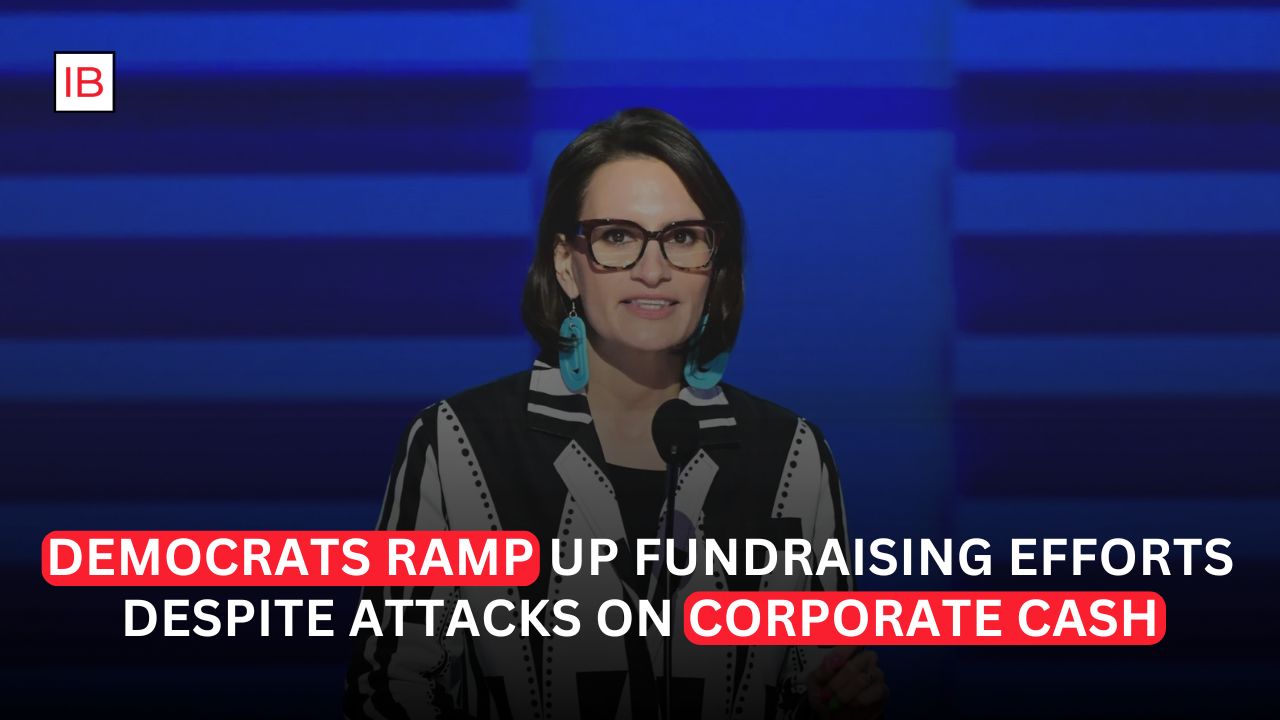
Democrats are ramping up fundraising efforts across the United States while simultaneously intensifying criticism of corporate political influence, creating a balancing act as the party prepares for the upcoming election cycle. Party leaders, congressional candidates, and progressive organizations have launched an aggressive fundraising campaign focused heavily on small-dollar donations, arguing that grassroots financial support is essential to building an independent political movement less reliant on large corporate contributors.
The renewed emphasis reflects a broader effort to distinguish the Democratic Party from its Republican rivals by highlighting campaign finance reform and limiting the influence of major corporations in American politics. At the same time, Democrats face mounting financial pressure as Republicans maintain a significant fundraising advantage through wealthy donors, political action committees, and outside organizations. This has forced Democratic leaders to encourage millions of smaller contributions while defending their broader message that corporate money should play a reduced role in shaping public policy.
Grassroots Fundraising Takes Center Stage
Democratic organizations have significantly expanded their fundraising campaigns.
The strategy focuses on:
- Small-dollar online donations.
- Grassroots supporters.
- Digital fundraising platforms.
- Local organizing.
- Individual contributors.
Party officials argue that relying on millions of smaller contributions strengthens political independence while demonstrating broader public support.
Grassroots fundraising has become an increasingly important source of campaign financing over the past decade, particularly for Democratic candidates.
Criticism of Corporate Money Intensifies
Many Democratic candidates continue emphasizing opposition to excessive corporate influence in politics.
Key themes include:
- Campaign finance reform.
- Political transparency.
- Limiting corporate influence.
- Reducing special-interest lobbying.
- Strengthening public accountability.
A growing number of Democratic congressional candidates have publicly pledged not to accept contributions from corporate political action committees (PACs), reflecting a broader anti-corporate message within parts of the party.
Small Donors Become Increasingly Important
Rather than depending primarily on large corporate donations, Democrats continue encouraging recurring contributions from individual supporters.
Digital fundraising has allowed campaigns to collect millions of relatively small donations from across the country.
Supporters often contribute:
- $5.
- $10.
- $25.
- Monthly recurring donations.
Campaign strategists believe this approach creates a more sustainable fundraising base while strengthening voter engagement.
Fundraising Challenges Remain
Despite successful grassroots efforts, Democrats continue facing financial challenges.
Several factors have affected fundraising:
- Donor fatigue following previous election cycles.
- Internal party disagreements.
- Strong Republican fundraising.
- Competition from outside political organizations.
Some large Democratic donors have also become more selective about where they direct contributions, preferring individual candidates over national party organizations.
Corporate PAC Debate Continues
The issue of accepting corporate PAC contributions remains divisive within the Democratic Party.
Progressive candidates increasingly reject such donations entirely, arguing that:
- Corporate money creates conflicts of interest.
- Small donors better represent voters.
- Public trust improves with financial independence.
Meanwhile, some moderate Democrats argue that refusing corporate contributions could place the party at a financial disadvantage against well-funded Republican campaigns.
Republicans Maintain Financial Advantage
Republican organizations continue holding substantial fundraising advantages through:
- Large donors.
- Business supporters.
- Super PACs.
- Outside political groups.
This financial strength has increased pressure on Democrats to maximize grassroots fundraising while expanding digital outreach to millions of smaller contributors.
Digital Campaigning Expands
Democratic campaigns increasingly rely on online fundraising tools.
These include:
- Email campaigns.
- Social media outreach.
- Mobile fundraising.
- Text messaging.
- Livestream events.
Digital fundraising platforms have become central to campaign operations because they allow candidates to reach supporters quickly while collecting contributions at relatively low cost.
Midterm Strategy Focuses on Voter Engagement
Beyond fundraising, Democratic leaders continue using campaign finance issues as part of their broader political message.
Party officials argue that reducing corporate influence aligns with broader priorities including:
- Consumer protections.
- Worker rights.
- Healthcare.
- Economic fairness.
- Government accountability.
This messaging is intended to energize core supporters while attracting independent voters concerned about money in politics.
Looking Ahead
Democrats’ latest fundraising push highlights the party’s effort to strengthen its financial position while reinforcing a political message centered on reducing corporate influence in American elections. By emphasizing grassroots donations and encouraging millions of small contributors, party leaders hope to build both financial resources and stronger voter engagement ahead of upcoming campaigns. At the same time, continued criticism of corporate political money reflects growing pressure from progressive activists seeking greater campaign finance reform and increased transparency throughout the political system.
Looking forward, the Democratic Party will continue balancing its commitment to limiting corporate influence with the practical realities of financing increasingly expensive national campaigns. Whether grassroots fundraising can fully offset Republican financial advantages remains uncertain, but the strategy reflects an ongoing shift toward broader public participation in campaign financing while keeping campaign finance reform at the center of the party’s political agenda.