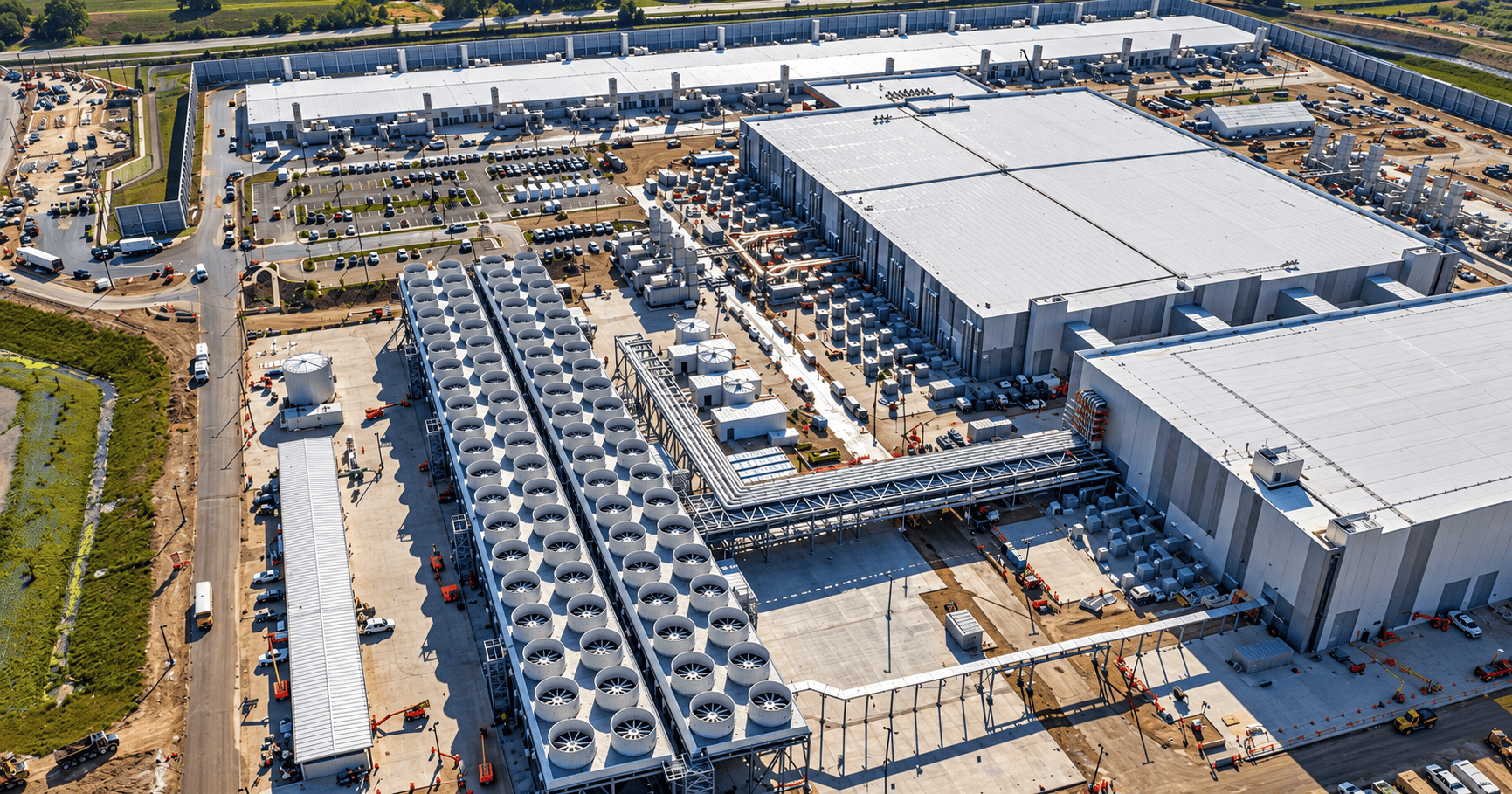
Artificial intelligence has officially run into the limits of the physical power grid. Over the past three years, enterprise adoption of advanced generative models, automated coding agents, and real-time inference clusters has triggered unprecedented infrastructure strain. Consequently, AI data center energy demand has become the primary operational bottleneck for technology giants and utility operators worldwide.
According to projections from the International Energy Agency (IEA), data center electricity consumption will more than double by the close of 2026, driven largely by high-density GPU racks that require continuous baseload power. As hyperscalers scramble to secure multi-gigawatt power purchase agreements, capital is aggressively rotating out of pure-play software and into energy infrastructure.
The Scale of AI Data Center Energy Demand in 2026
Modern high-performance computing clusters differ drastically from legacy enterprise cloud hardware. A standard enterprise server rack draws roughly 7 to 10 kilowatts (kW) of power. In contrast, modern AI clusters engineered for frontier model training frequently draw 40 to 100 kW per rack.
This rapid power concentration has created severe regional transmission deficits in critical data hubs across Northern Virginia, Texas, Ireland, and Frankfurt.
Structural Drivers of the Power Deficit
- Uninterrupted Baseload Requirements: Deep-learning inference and distributed model training cannot tolerate intermittent supply. Facilities require guaranteed 99.999% uptime, ruling out unbacked solar or wind without massive battery or nuclear support.
- Advanced Liquid Cooling Infrastructure: Running chips at maximum TDP (Thermal Design Power) generates intense heat. Moving from air cooling to direct-to-chip liquid cooling systems adds a dedicated power overhead of 15% to 25% across facility footprints.
- Transmission Interconnection Queues: Grid operators in the United States and Europe face multi-year backlogs simply to connect new high-voltage substations to regional utility networks.
Power Generation Mix: Nuclear, Gas, and Geothermal
To mitigate delays from municipal grid operators, hyperscalers are executing direct off-grid and behind-the-meter generation contracts.
| Power Source | Deployment Speed | Reliability (Baseload) | Carbon Impact | Primary Limitation |
| Small Modular Reactors (SMRs) | Medium to Slow (2028+) | High | Zero-Carbon | Regulatory licensing cycles |
| Natural Gas Turbines | Fast (12–18 months) | High | Fossil Emissions | Carbon mandates & pipeline access |
| Advanced Geothermal | Moderate (2–4 years) | High | Zero-Carbon | Geographic availability |
| Utility-Scale Solar + Storage | Fast (6–12 months) | Intermittent | Low | 4-to-8-hour storage limits |
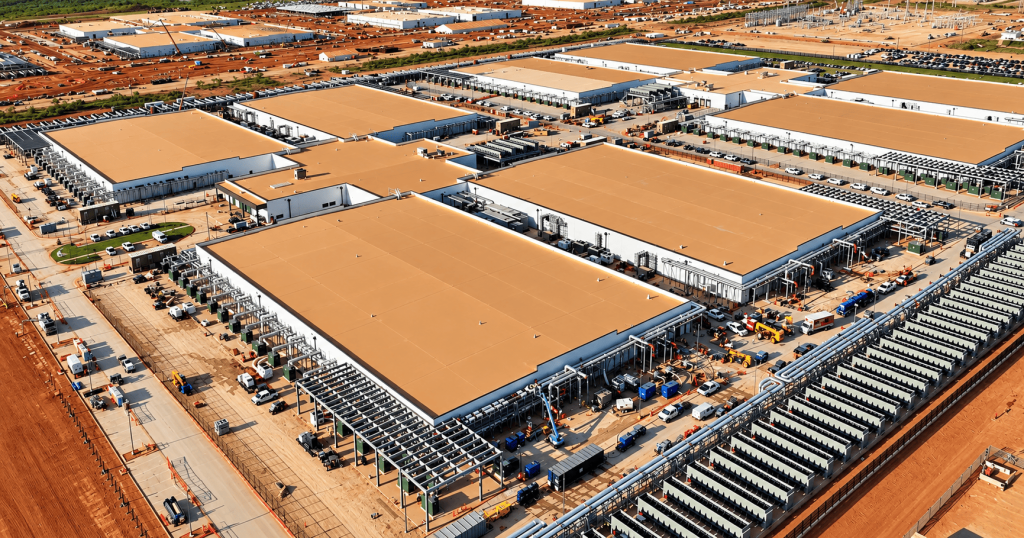
As shown above, while renewable energy remains an essential corporate sustainability target, natural gas and next-generation nuclear represent the only near-term alternatives capable of satisfying exponential computing loads.
5 Market Sectors Capitalizing on AI Data Center Energy Demand
For investors navigating public equity markets, the secondary beneficiaries of the artificial intelligence buildout are situated squarely inside the industrial and utility sectors.
1. Independent Power Producers (IPPs)
Deregulated power producers with merchant nuclear and natural gas fleets are commanding significant premiums. By selling power directly to co-located data facilities via long-term contracts, these utilities bypass regional transmission constraints and secure long-dated, stable cash flows.
2. Electrical Grid Equipment Manufacturers
The physical connection between high-voltage utility lines and server racks requires heavy industrial apparatus. Demand for high-voltage step-down transformers, switchgear, and microgrid controllers currently outstrips manufacturing capacity, creating multi-year order backlogs and expanding operating margins for global industrial suppliers.
3. Thermal Management and Liquid Cooling Providers
With server densities surpassing 50 kW per cabinet, legacy forced-air HVAC units are obsolete in tier-4 computing facilities. Specialized engineering firms delivering closed-loop direct-to-chip cooling plates, coolant distribution units (CDUs), and immersion tanks have seen enterprise orders surge.
4. Backup Power and Natural Gas Turbines
Grid instability has forced data center operators to deploy continuous onsite generation. Industrial aeroderivative gas turbines and hybrid battery storage installations are routinely installed alongside main utility feeds to serve as uninterrupted bridge power during local grid brownouts.
5. Uranium and Nuclear Supply Chains
Long-term commercial agreements between cloud platforms and decommissioned nuclear facilities have renewed demand for uranium spot contracts and enriched fuel processing, repositioning clean nuclear fuel as an AI-adjacent asset class.
Strategic Risks Facing Energy and Infrastructure Investors
Despite secular tailwinds, substantial downside risks exist for investors underwriting power-heavy technology plays:
- Regulatory Tariffs and Ratepayer Backlash: Local municipalities are introducing special utility rate classes for enterprise data centers to prevent rising power costs from spilling onto residential electric bills.
- Algorithmic Inference Efficiency: Breakthroughs in model distillation, quantization, and specialized low-power ASICs could compress power consumption per query faster than hardware clusters expand.
- Water Consumption Restrictions: Evaporative cooling systems consume millions of gallons of potable water daily, drawing scrutiny and moratoriums from local environmental boards in drought-prone regions.
Market Outlook for Power Assets
The narrative surrounding the artificial intelligence sector has shifted permanently from software innovation to physical capacity constraints. Until utility grid connections accelerate and next-generation SMRs achieve commercial scale, access to dedicated, reliable megawatts will dictate which enterprise players capture long-term market share. For equity portfolios, infrastructure hardware, electrical switchgear, and baseload generation remain essential hedges in the modern computing era.
Disclaimer
The information provided in this article is for educational, journalistic, and informational purposes only and does not constitute formal financial, legal, or investment advice.