South Africa’s State Utility Says Planned Electricity Market Changes May Increase Financial Risks
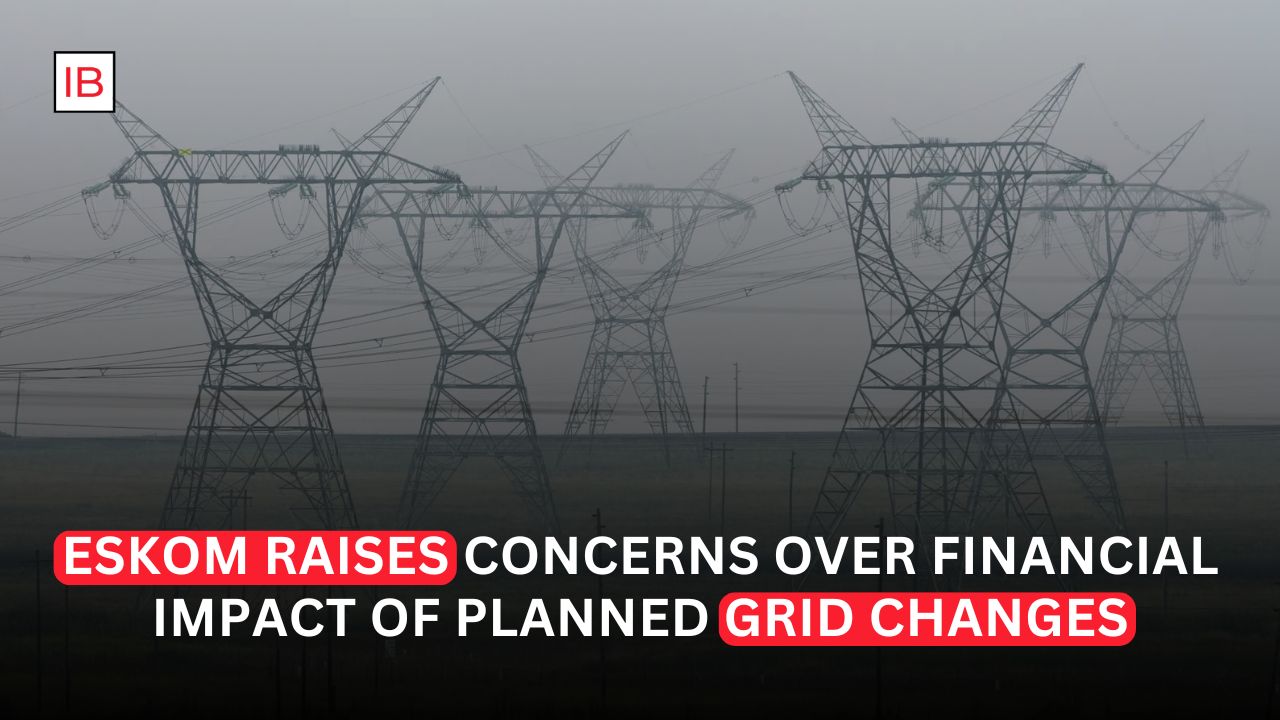
South Africa’s state-owned electricity utility Eskom has warned that proposed reforms to the country’s electricity grid could weaken its financial position and undermine confidence among lenders that provide critical funding for its operations. The utility said ongoing efforts to restructure South Africa’s electricity sector, while designed to improve competition and expand private investment, could create uncertainty over future revenues, debt obligations, and long-term financial sustainability if not carefully implemented.
The warning comes as South Africa continues pursuing one of the largest energy sector reforms in its history. The government is working to modernize the electricity market by separating key parts of Eskom’s operations, expanding independent power generation, and creating a more competitive electricity system. While many economists believe these reforms will improve long-term energy security and reduce power shortages, Eskom argues that the transition must be managed carefully to avoid disrupting the company’s finances at a time when it continues carrying substantial debt and remains heavily dependent on external financing.
Major Electricity Reform Underway
South Africa has been restructuring its electricity sector to improve efficiency and reliability.
The reform program includes:
- Separating electricity transmission.
- Expanding private power generation.
- Increasing market competition.
- Modernizing grid operations.
- Encouraging renewable energy investment.
Officials believe these changes will create a more flexible electricity system while reducing dependence on a single state-owned supplier.
Eskom Expresses Financial Concerns
Eskom has cautioned that changes to the electricity market could affect its ability to generate stable revenues.
According to the utility, several issues remain under discussion, including:
- Future pricing structures.
- Revenue allocation.
- Grid access arrangements.
- Debt servicing responsibilities.
Management argues that uncertainty surrounding these issues could complicate long-term financial planning.
Lenders Seek Greater Certainty
Eskom relies heavily on financing from:
- Commercial banks.
- Development institutions.
- International lenders.
- Government-backed borrowing programs.
The utility warned that uncertainty surrounding market reforms may cause lenders to reassess financial risks, potentially increasing borrowing costs or making future financing more difficult.
Maintaining lender confidence remains essential because Eskom continues investing in power generation, transmission infrastructure, and system maintenance.
Heavy Debt Burden Remains
Despite recent government support, Eskom continues carrying one of the largest debt burdens among state-owned utilities worldwide.
The company has made progress improving its balance sheet, but debt servicing remains a major financial challenge.
Stable revenue streams remain important for:
- Meeting loan repayments.
- Funding maintenance.
- Supporting infrastructure upgrades.
- Financing future investment.
Any disruption to expected cash flows could complicate these objectives.
Government Pursues Competitive Electricity Market
South African authorities continue arguing that electricity reform is necessary to strengthen the country’s long-term energy security.
Key objectives include:
- Increasing private investment.
- Improving electricity reliability.
- Expanding renewable energy.
- Encouraging market efficiency.
Officials believe greater competition will ultimately benefit consumers while reducing pressure on public finances.
Private Investment Continues Expanding
Independent power producers have become increasingly important within South Africa’s electricity system.
Investment has accelerated across:
- Solar energy.
- Wind power.
- Battery storage.
- Gas-fired generation.
- Transmission projects.
These developments are expected to diversify electricity supply while supporting economic growth.
Energy Security Remains Priority
South Africa has experienced years of electricity shortages and scheduled power outages.
Improving grid reliability remains one of the country’s highest economic priorities.
Reliable electricity supports:
- Manufacturing.
- Mining.
- Digital infrastructure.
- Business investment.
- Employment.
Government officials continue emphasizing that reforms are intended to strengthen—not weaken—the national electricity system.
Investors Watch Reform Progress
Financial markets continue closely monitoring implementation of South Africa’s electricity reforms.
Investors remain focused on:
- Regulatory clarity.
- Financial sustainability.
- Infrastructure investment.
- Government policy consistency.
Successful implementation could strengthen long-term investment confidence, while prolonged uncertainty may increase financing risks for both Eskom and the broader energy sector.
Looking Ahead
Eskom’s warning highlights the delicate balance facing South Africa as it attempts to modernize its electricity market while preserving the financial stability of its largest power utility. Although broader reforms are widely viewed as essential for improving long-term energy security, Eskom argues that changes must be implemented carefully to maintain predictable revenues and preserve confidence among lenders that continue financing critical operations. The outcome will likely influence not only the company’s financial future but also the pace of South Africa’s broader energy transition.
Looking forward, policymakers, investors, and financial institutions will continue closely monitoring how electricity reforms evolve. Achieving greater competition, stronger infrastructure, and improved reliability while protecting financial stability will remain one of the country’s most important economic challenges over the coming years.