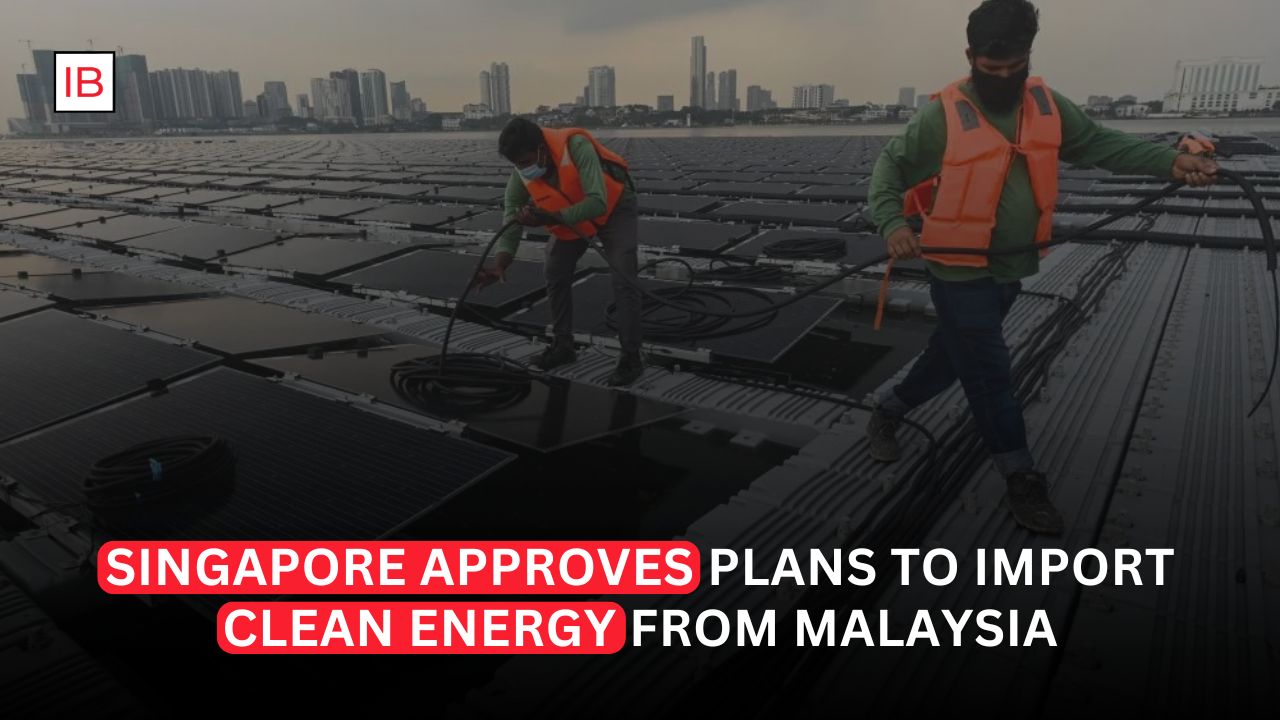
The approval marks another step in Singapore’s long-term strategy to diversify its energy sources, reduce carbon emissions, and strengthen regional cooperation through cross-border renewable electricity imports.
Singapore has approved a new renewable electricity import project from Malaysia, reinforcing its commitment to expanding clean energy sources as part of its long-term transition toward a lower-carbon economy. The project, led by Sembcorp, will allow up to 300 megawatts (MW) of renewable electricity to be imported from Malaysia, helping Singapore diversify its energy mix while reducing its dependence on natural gas.
The latest approval is part of Singapore’s broader strategy to import increasing amounts of low-carbon electricity from neighboring countries over the next decade. With limited land available for large-scale renewable energy generation, the city-state has turned to regional partnerships to secure cleaner power while maintaining energy security and supporting its climate goals.
New Project Expands Regional Energy Cooperation
The newly approved project represents another milestone in energy cooperation between Singapore and Malaysia. Under the plan, renewable electricity generated in Malaysia will be transmitted across the border to Singapore through existing and upgraded power infrastructure.
Officials believe the project will strengthen regional electricity trading while creating a more interconnected power network across Southeast Asia. The initiative also supports broader ASEAN efforts to improve energy resilience through cross-border electricity exchanges.
Energy experts say regional cooperation has become increasingly important as countries work to reduce carbon emissions while ensuring reliable electricity supplies for growing populations and expanding industries.
Singapore Accelerates Clean Energy Transition
Singapore currently generates the vast majority of its electricity from imported natural gas. While natural gas remains cleaner than coal and oil, the government has acknowledged that achieving its long-term climate targets will require significantly greater use of renewable and low-carbon energy sources.
Because of its limited land area, Singapore cannot develop enough large-scale solar or wind projects to meet future electricity demand entirely through domestic generation. Instead, the government plans to import substantial amounts of renewable electricity from neighboring countries including Malaysia, Indonesia, and other ASEAN members.
The country has set a target of importing several gigawatts of low-carbon electricity by 2035, making regional power imports one of the pillars of its national energy strategy.
Malaysia Strengthens Position as Renewable Energy Exporter
For Malaysia, the project represents another opportunity to expand its renewable energy industry while becoming an important supplier of clean electricity within Southeast Asia.
The country has invested heavily in solar energy and other renewable power projects over recent years, creating additional generation capacity that can support both domestic demand and regional exports.
Cross-border electricity sales also provide new commercial opportunities for Malaysian energy companies while supporting government efforts to attract investment into renewable infrastructure. Analysts believe additional export projects could follow if demand from neighboring countries continues to grow.
The agreement demonstrates how regional cooperation can benefit both economies by creating new investment opportunities while advancing environmental objectives.
Supporting ASEAN’s Regional Power Grid Vision
The project also aligns with the long-term vision of the ASEAN Power Grid, an initiative designed to improve electricity connectivity among Southeast Asian countries.
The regional network aims to allow participating nations to trade electricity more efficiently, improve energy security, reduce supply disruptions, and maximize the use of renewable resources across borders.
By strengthening cross-border transmission infrastructure, ASEAN members hope to create a more flexible and resilient electricity market capable of supporting future economic growth while reducing dependence on fossil fuels.
Energy analysts say projects like the Singapore-Malaysia connection serve as practical examples of how the regional power grid can gradually become a reality.
Environmental and Economic Benefits
Beyond improving energy security, the clean electricity import project is expected to contribute to Singapore’s broader sustainability objectives. Increased access to renewable energy could help lower carbon emissions from the country’s electricity sector while supporting businesses seeking cleaner sources of power.
Many multinational companies operating in Singapore have announced ambitious net-zero targets, increasing demand for renewable electricity to power offices, manufacturing facilities, and data centers.
The project may also encourage additional private-sector investment in renewable energy infrastructure across Southeast Asia as governments continue promoting greener economic development.
Lower carbon intensity within Singapore’s electricity supply could strengthen the country’s competitiveness as an international financial and technology hub where environmental sustainability is becoming increasingly important for global investors.
Challenges Still Remain
Despite the progress, experts caution that cross-border electricity trading presents several technical and regulatory challenges. Building reliable transmission infrastructure, coordinating electricity markets, and maintaining stable cross-border power flows require close cooperation between governments, regulators, and energy companies.
Renewable electricity generation also depends on weather conditions, making grid management more complex as larger amounts of solar and other intermittent energy sources are integrated into national power systems.
However, advances in battery storage, smart grid technologies, and regional electricity coordination are expected to improve reliability over time.
Looking Ahead
Singapore’s approval of a new renewable electricity import project from Malaysia marks another important step toward building a cleaner and more diversified energy system. The 300 MW project strengthens bilateral energy cooperation while supporting Singapore’s long-term strategy to reduce emissions and improve energy resilience.
As Southeast Asia accelerates its clean energy transition, similar cross-border projects are expected to become increasingly common. Governments across the region are recognizing that greater electricity connectivity can help improve energy security, lower carbon emissions, and support sustainable economic growth.
For both Singapore and Malaysia, the latest agreement highlights the growing importance of regional partnerships in achieving climate goals while meeting rising electricity demand. If successfully implemented, the project could serve as a model for future renewable energy cooperation throughout ASEAN and further strengthen the region’s move toward a more integrated and sustainable energy market.