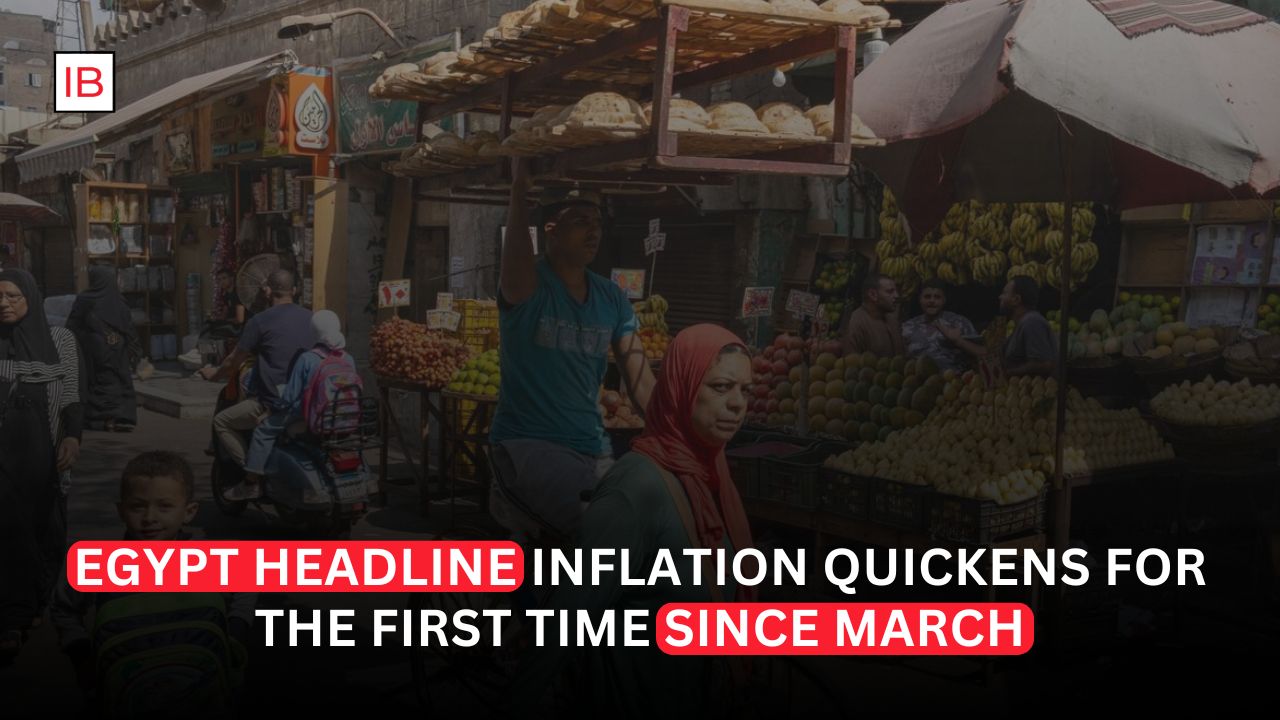
Egypt’s annual headline inflation accelerated in July, snapping a period of relative stabilization that had held since March, as unfavorable base effects, rising food prices, and the lingering fallout from regional conflict combined to push consumer prices higher across Africa’s most populous nation.
The Numbers Behind the Acceleration
Egypt’s annual urban headline inflation climbed to roughly 15.6% in July, up from 14.3% in June, according to a Reuters poll of 13 analysts conducted ahead of the official release from the state statistics agency CAPMAS, with individual forecasts ranging between 14.6% and 16.3%. Barclays economist James Swanston projected an even sharper acceleration, estimating the July figure could reach as high as 16.1% year-on-year, driven by stronger food inflation and a renewed uptick in non-food prices. The reading marks a clear reversal from the more contained trajectory Egypt had traced since March, when annual inflation stood at 13.5%, before easing to 13.4% in April and 13% in May.
What’s Driving Prices Higher
Economists have pointed to several overlapping factors behind July’s acceleration. Mohamed Abu Basha of EFG Holding said he expected a relatively muted month-on-month reading of around 0.5%, but noted that an unfavorable base effect, comparing current prices against an unusually low reading from the same month last year, would be enough to push the annual figure notably higher regardless of the underlying monthly trend. That base-effect dynamic is expected to persist into August before normalizing later in the year.
Administered price increases have compounded the pressure. Egypt raised electricity prices for most consumption brackets by an average of 12% earlier in the summer, a hike Emirates NBD economist Daniel Richards said is expected to feed directly into the August inflation print. These adjustments form part of Egypt’s broader, ongoing removal of fuel and electricity subsidies under the terms of its $8 billion support package with the International Monetary Fund, a process that has repeatedly pushed consumer prices higher even as headline inflation had cooled substantially from its record highs in recent years.
The Regional Conflict’s Role
Egypt’s inflation trajectory has also been shaped by the broader fallout from the ongoing Iran war, which has weighed heavily on import-reliant economies across the region. As a country heavily dependent on imported goods and energy, Egypt has remained particularly exposed to the kind of supply-side pressures and exchange-rate volatility the conflict has generated since fighting began in late February. Egypt’s central bank has explicitly cited supply-side pressures linked to the regional conflict, alongside exchange-rate movements and fiscal adjustment measures, as key factors shaping its inflation outlook for the remainder of 2026.
The Central Bank’s Response So Far
The Central Bank of Egypt’s Monetary Policy Committee kept its key interest rates unchanged at its most recent meeting, marking the second consecutive hold following a similar decision in early April. The overnight deposit rate has remained at 19%, with the overnight lending rate at 20%. In its policy statement, the committee attributed recent moderation in monthly inflation primarily to a sharp slowdown in food price growth, which had offset seasonal increases recorded in prior months, while non-food inflation remained broadly stable, suggesting the effects of March’s energy price adjustments had not generated broader inflationary spillovers at the time.
A Longer Road Back to Target
Egypt’s central bank has projected that annual headline inflation will exceed its target range of 7%, plus or minus 2 percentage points, on average through the final quarter of 2026, before beginning a gradual decline starting in the first quarter of 2027 and approaching target levels by the second half of that year. That timeline reflects how deeply embedded current inflationary pressures have become, even as Egypt’s overall trajectory remains dramatically improved compared with the record 38% inflation rate recorded in September 2023, before the IMF-backed reform program began taking effect in March 2024.
What Comes Next
With base effects expected to continue distorting the annual inflation figure through August before gradually normalizing later in the year, Egyptian policymakers face a delicate balancing act between supporting continued subsidy reform and managing the near-term price pressures that reform generates. Whether inflation begins its anticipated downward trend on schedule in the fourth quarter, or whether continued regional instability tied to the Iran conflict further delays that timeline, will likely remain a key factor shaping the Central Bank of Egypt’s policy decisions in the months ahead.