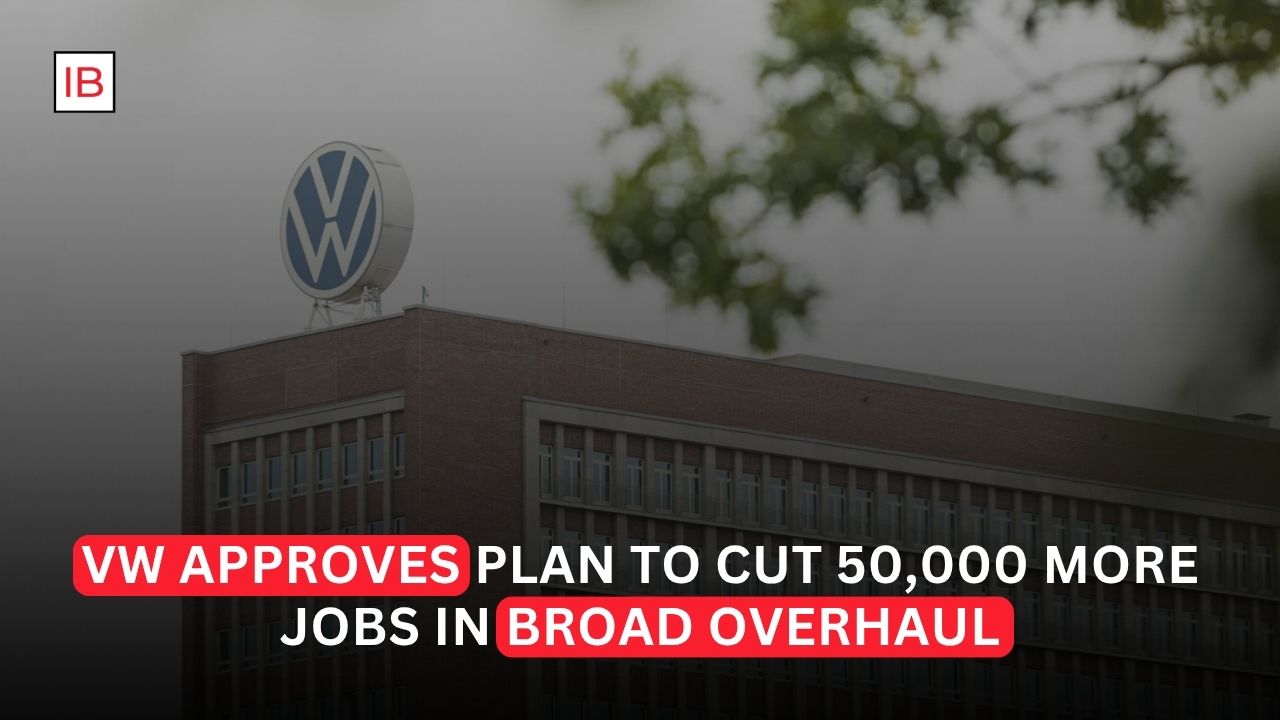
Automaker Approves Sweeping Transformation Plan as It Battles Rising Competition and Falling Profitability. Volkswagen’s supervisory board has unanimously backed a major restructuring plan proposed by Chief Executive Officer Oliver Blume, giving him a significant mandate to overhaul Europe’s largest carmaker.
The approval marks a major breakthrough for Blume after months of internal disputes over the future of Volkswagen. The company’s board had previously faced deep divisions over plans for major cost reductions, workforce cuts and changes to its manufacturing operations.
Major Restructuring Plan Approved
Volkswagen’s new “Future Plan” is designed to improve efficiency and strengthen the company’s ability to compete in an increasingly difficult global auto market.
The automaker is facing intense pressure from Chinese manufacturers, particularly in electric vehicles, while also dealing with weaker demand in key markets and rapid changes in automotive technology. The restructuring is intended to address overcapacity, high costs and a complex product portfolio.
Up to 50,000 Jobs Could Be Affected
The transformation plan could result in approximately 50,000 job cuts across the Volkswagen Group, including management positions, according to reports.
Volkswagen has not disclosed the full timeline or geographical breakdown of the potential reductions. The company has said the restructuring is necessary to protect its long-term competitiveness as the industry undergoes major technological and economic changes.
The planned reductions add to earlier workforce measures, making the overhaul one of the most significant restructuring efforts in Volkswagen’s recent history.
German Plants Face Uncertain Future
The future of several Volkswagen production sites in Germany could also come under review as part of the broader restructuring.
Reports have indicated that the company is examining the long-term future of plants in Emden, Zwickau, Hanover and Neckarsulm, while considering how to reduce excess manufacturing capacity. Volkswagen has been dealing with significant overcapacity as demand patterns change and competition intensifies.
Any major changes to factories are likely to remain politically sensitive because of the influence of labor representatives and the state of Lower Saxony within Volkswagen’s governance structure.
Blume Wins Key Board Support
The unanimous decision represents an important victory for Blume, whose earlier restructuring proposals had faced resistance from worker representatives and other influential stakeholders.
Labor groups and regional political representatives had opposed earlier proposals involving large-scale cuts and potential plant closures. The new agreement suggests that Volkswagen’s leadership has managed to build broader support for a plan that had previously caused significant internal conflict.
Chinese Competition Drives Urgency
Volkswagen’s restructuring push has been driven largely by growing competition from Chinese automakers, which have rapidly expanded their presence in electric vehicles and are increasingly targeting international markets.
German manufacturers have struggled to defend their market position in China while also facing greater competition in Europe. Volkswagen’s management believes faster decision-making, lower costs and a simpler product range will be essential to remain competitive.
The company is also expected to reduce product complexity as part of the overhaul, allowing it to streamline development and manufacturing operations.
A Crucial Moment for Volkswagen
The board’s unanimous backing gives Blume greater authority to push forward with one of the biggest transformations in Volkswagen’s modern history.
However, implementing the plan will still be a major challenge. Workforce reductions, factory decisions and changes to Volkswagen’s corporate structure could face resistance from employees and political stakeholders.
For now, the board’s decision gives the company a united direction as it attempts to restore competitiveness and adapt to a rapidly changing global automotive industry. The success of Blume’s overhaul will now depend on how quickly Volkswagen can turn the approved strategy into concrete improvements in costs, efficiency and profitability.